New Perspectives in Japanese Cinema

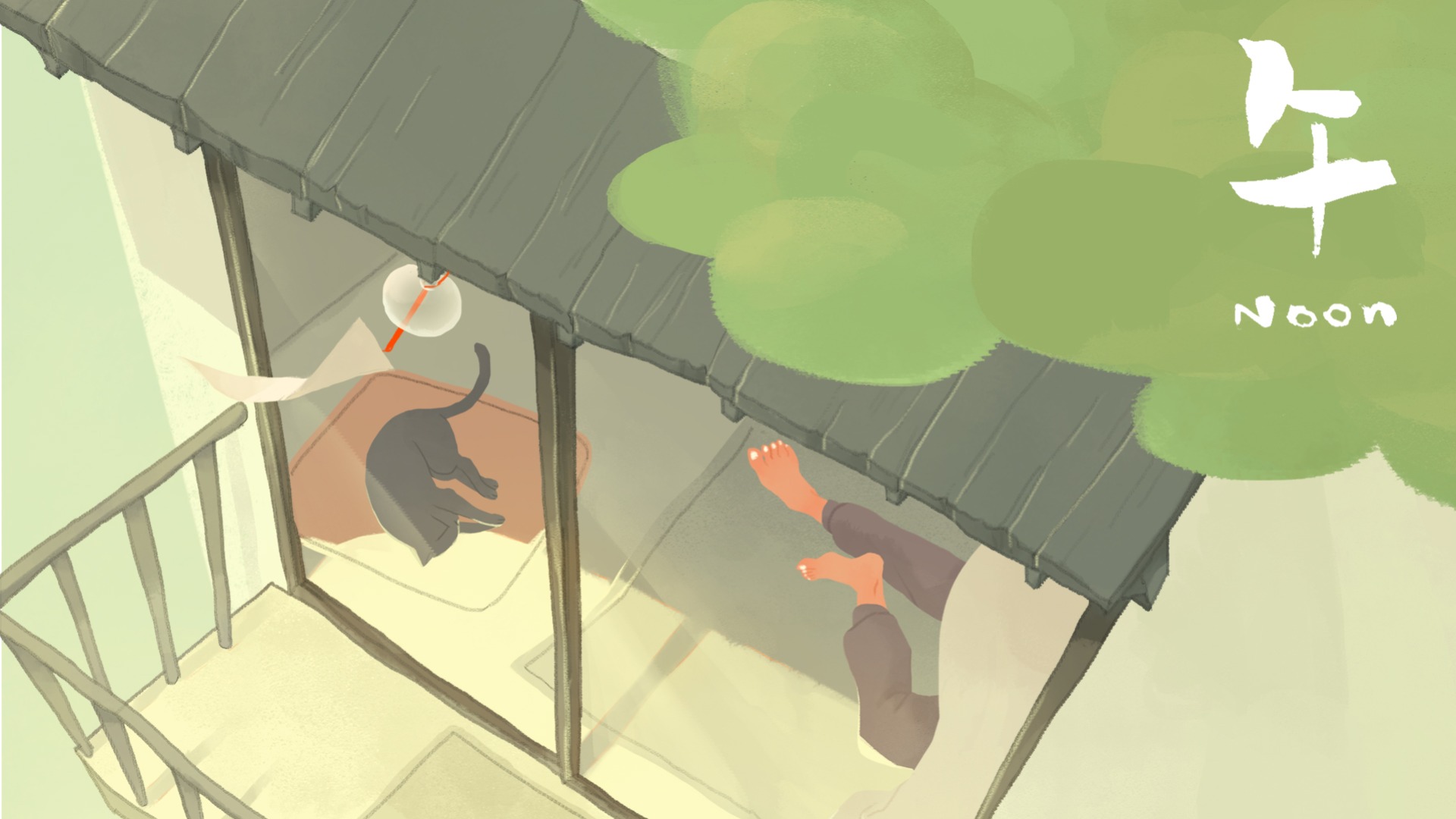
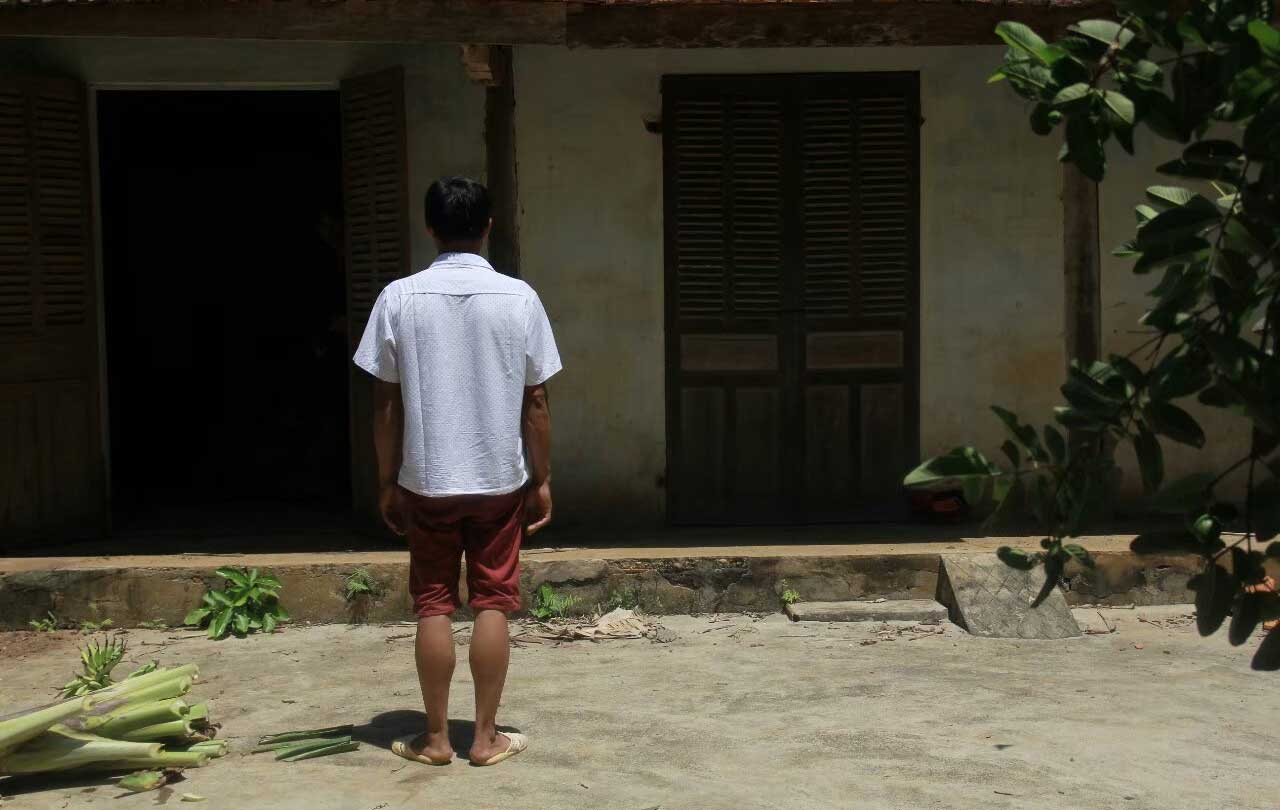
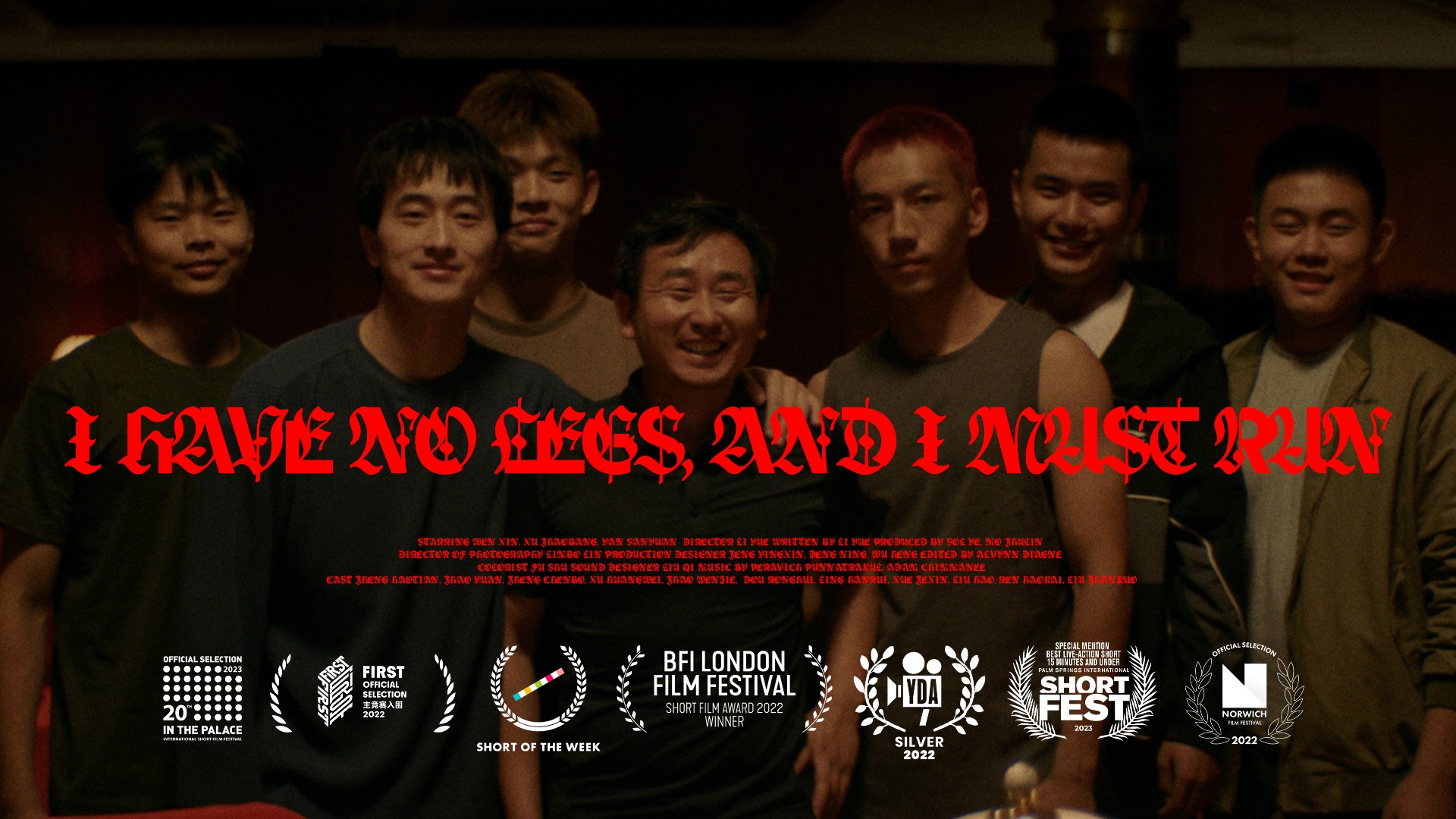
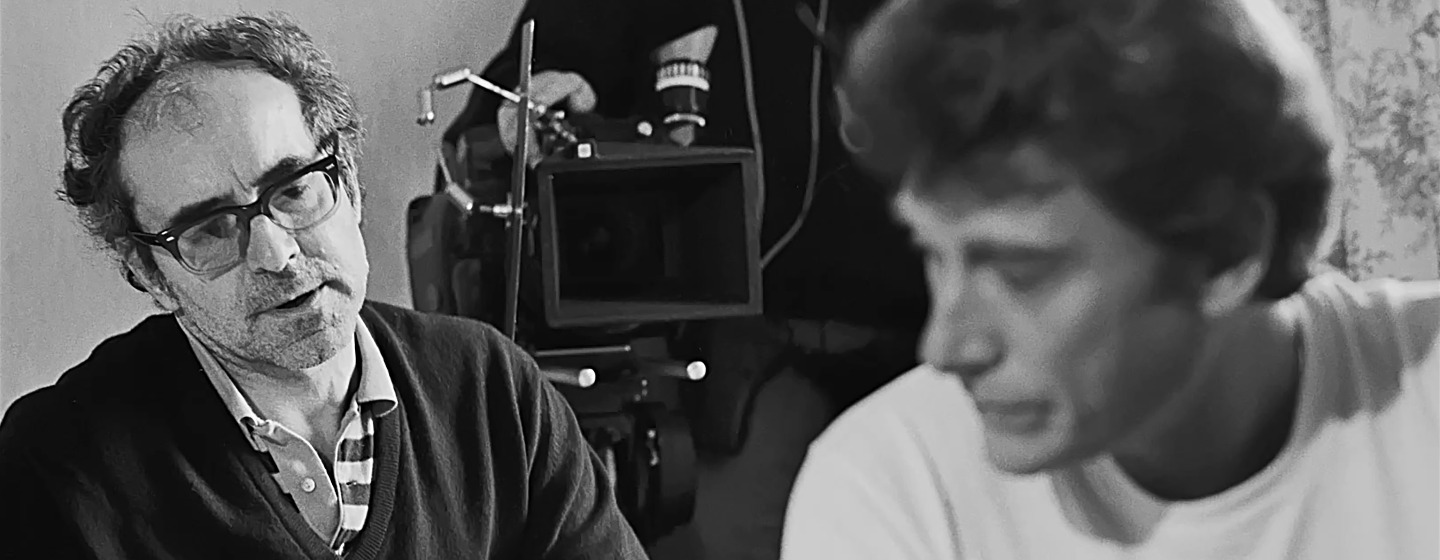
Echoing the Golden Horse Film Festival’s “Selection of Japanese Mid-Career Directors,” Giloo continues its long-standing commitment to Asian auteur cinema with this curated program, New Perspectives in Japanese Cinema. The selection focuses on a new generation of filmmakers who have recently emerged on the international stage and are steadily establishing their creative positions, while also seeking to expand and supplement existing perspectives on contemporary Japanese cinema. From the Okuyama brothers—Hiroshi Okuyama and Yoshiyuki Okuyama—whose delicate visual language captures the subtle flow of human emotions, to Ryusuke Hamaguchi, who reshapes everyday narratives through long takes and dialogue; from Shiori Ito, who confronts social structures and gender issues head-on, to Sho Miyake, who persistently portrays urban margins and the conditions of youth; and additionally, Yusuke Morii, selected for this program for his distinctive narrative approach to the fragmented realities of contemporary Japanese life—these filmmakers not only demonstrate strong auteur sensibilities but collectively respond to the social realities of present-day Japan.

The Storm That Won’t Let Go|Iranian Film Collection

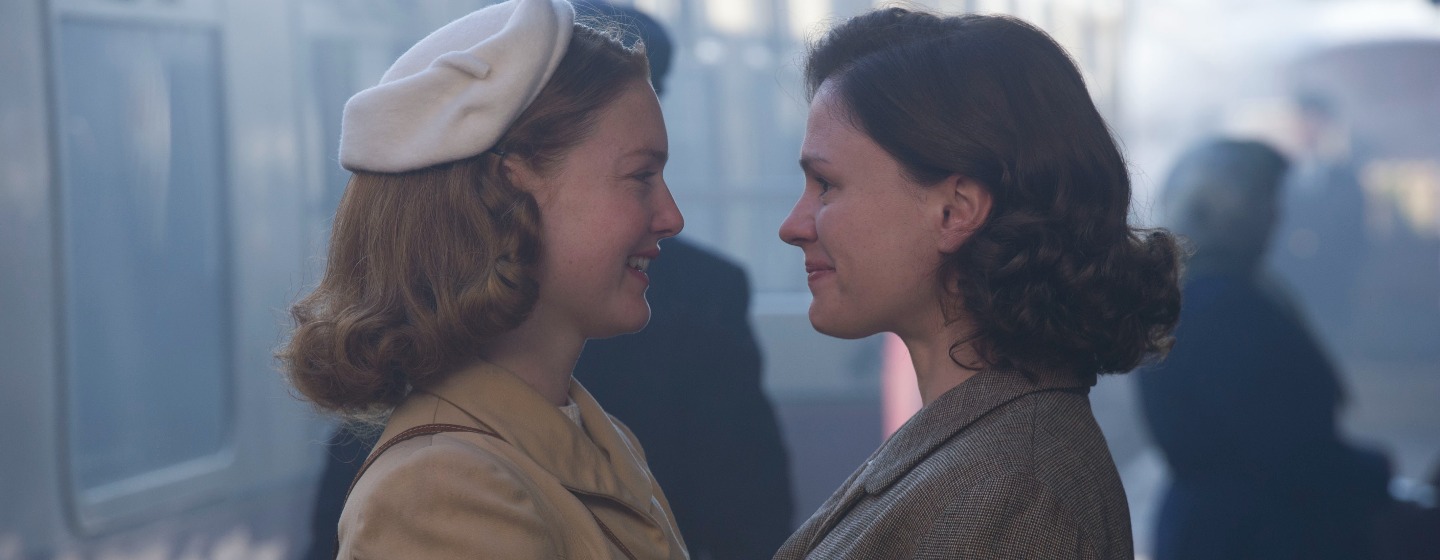
"Down with the dictator!" Iran, a country that seems to be perpetually caught in a “storm,” didn’t arrive at nationwide uprisings overnight. Giloo curates five Iranian films that pull back the curtain on a Middle Eastern powerhouse—revealing the forces behind it: religious extremism, gender inequality, structural crime, and government abuse of power. How did a regional power end up at the point of mass resistance and brutal crackdowns? The collapse, as Hemingway put it, happens “Gradually, then suddenly.”

The Ultimate Taste: A Curated Selection of Culinary Cinema

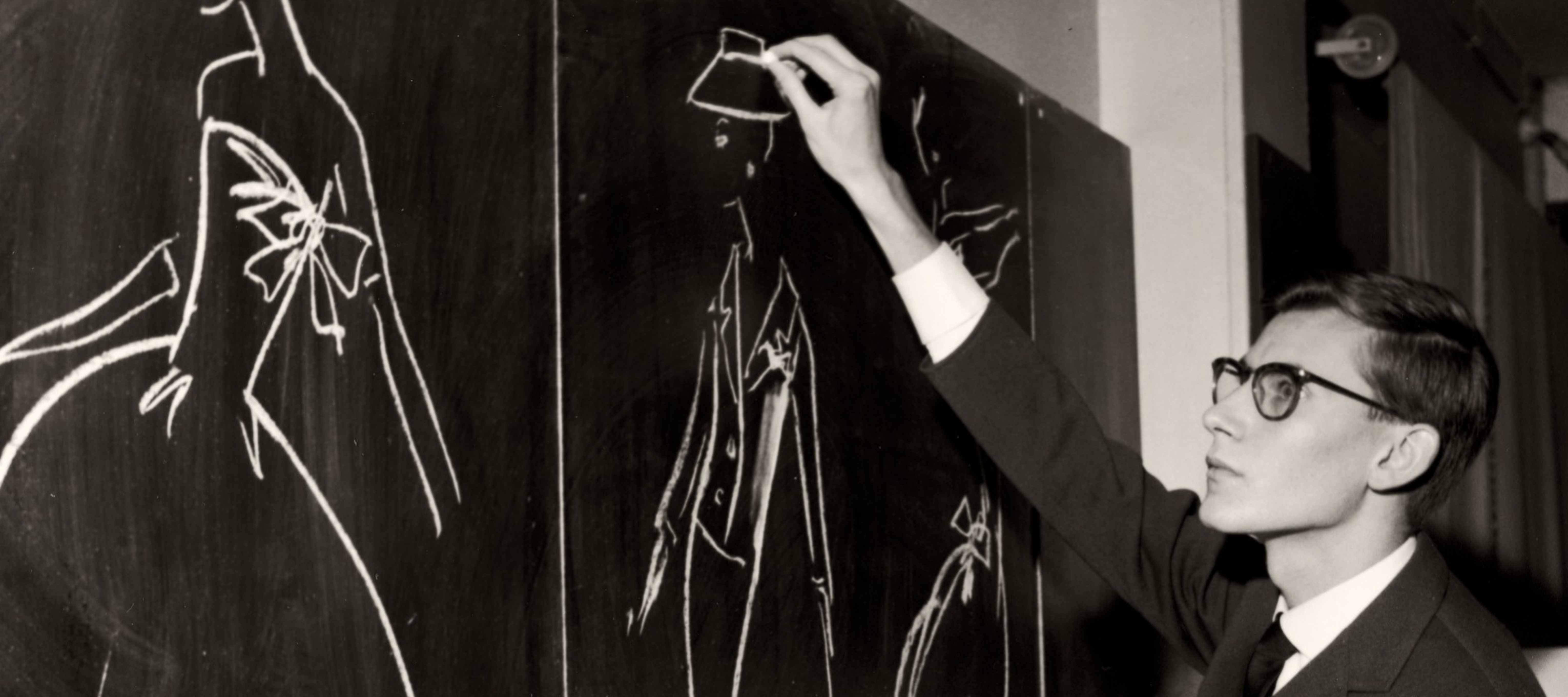
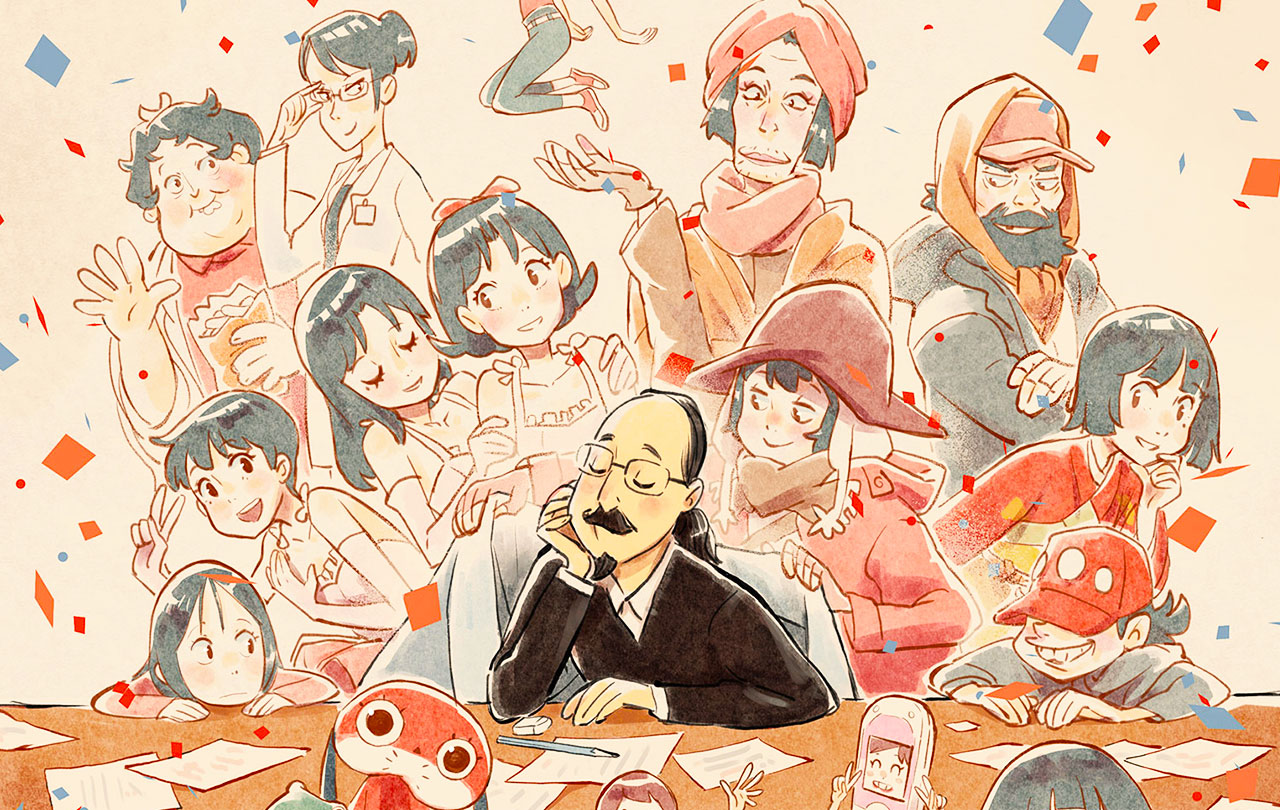
Giloo presents a curated collection of films exploring the depths of food culture. From the artisan’s relentless quest for the "ultimate broth" to the generational memories woven into a bowl of Braised Pork Rice, and the vibrant traditions of Taiwanese "Ban-doh" banquets. Through the stories behind the food, we glimpse the essence of humanity and experience the bittersweet flavors of life.

Looking Through the Cracks: Experimental Cinema in Hong Kong, 1960s–70s

This programme brings together six experimental films made in Hong Kong during the 1960s and 70s, five of which are featured in Law Kar’s memoir documentary Cinema Strada. Created under British colonial rule, these works articulate the intellectual, cultural, and emotional conditions faced by Chinese filmmakers navigating a fractured society. Through radical forms and non-linear structures, the films register anxieties around identity, displacement, and political silence. More personal works explore repressed sexual desire in young men, functioning as metaphors for broader social constraints. Together, these films reveal experimental cinema as both private expression and historical witness. Related Project: Cinema Strada Documentary: General Release Crowdfunding Project | https://labs.giloo.ist/projects/cinema-strada/overview

Those mists and clouds have never dispersed

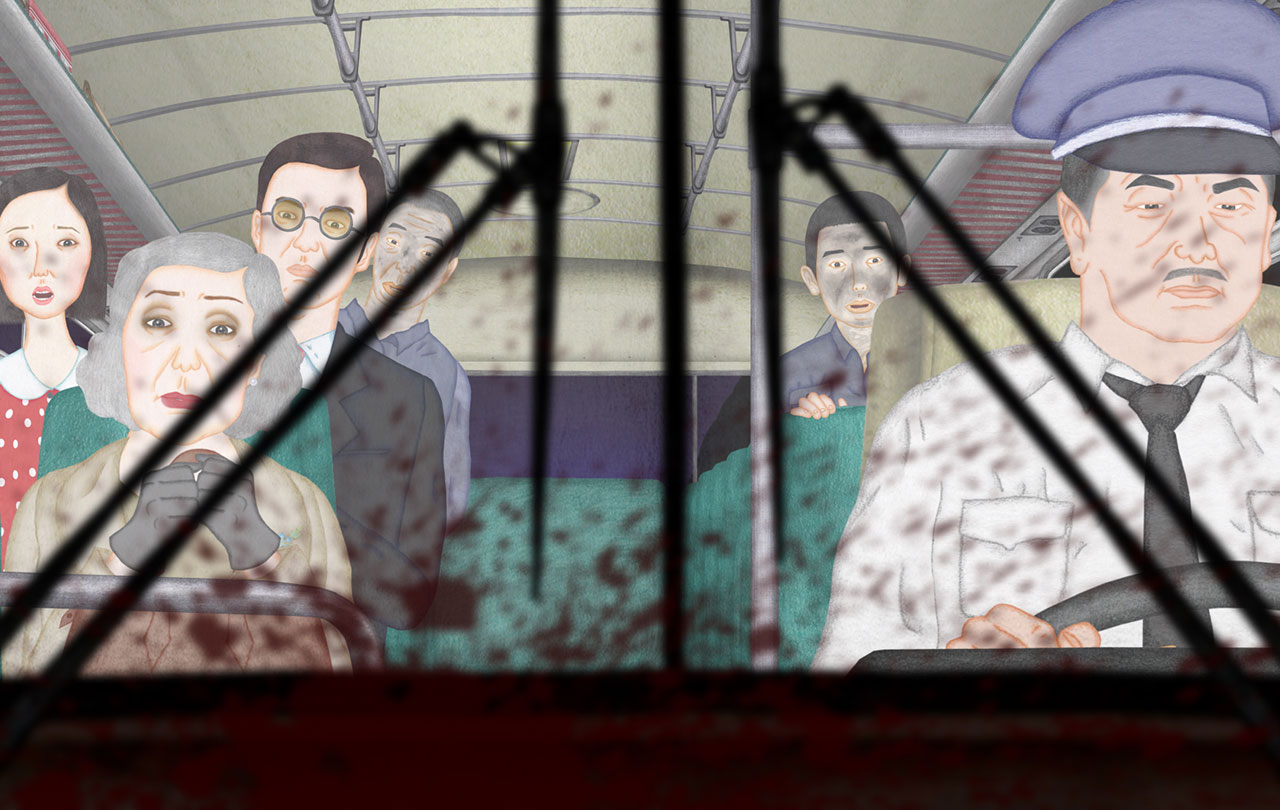
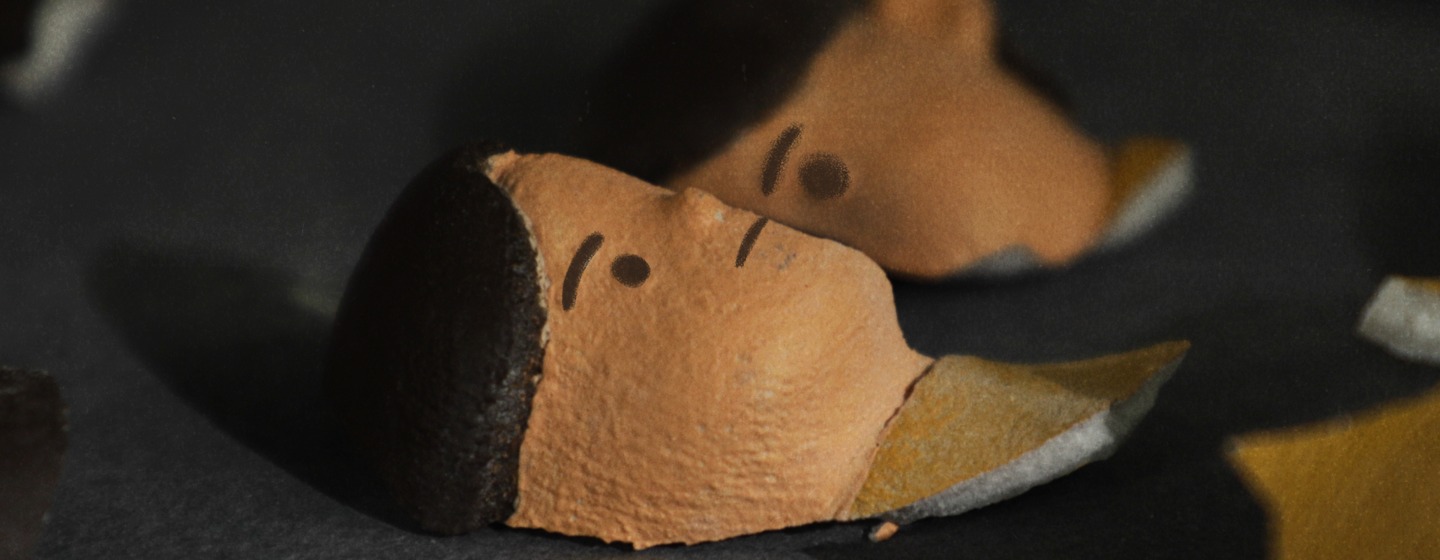
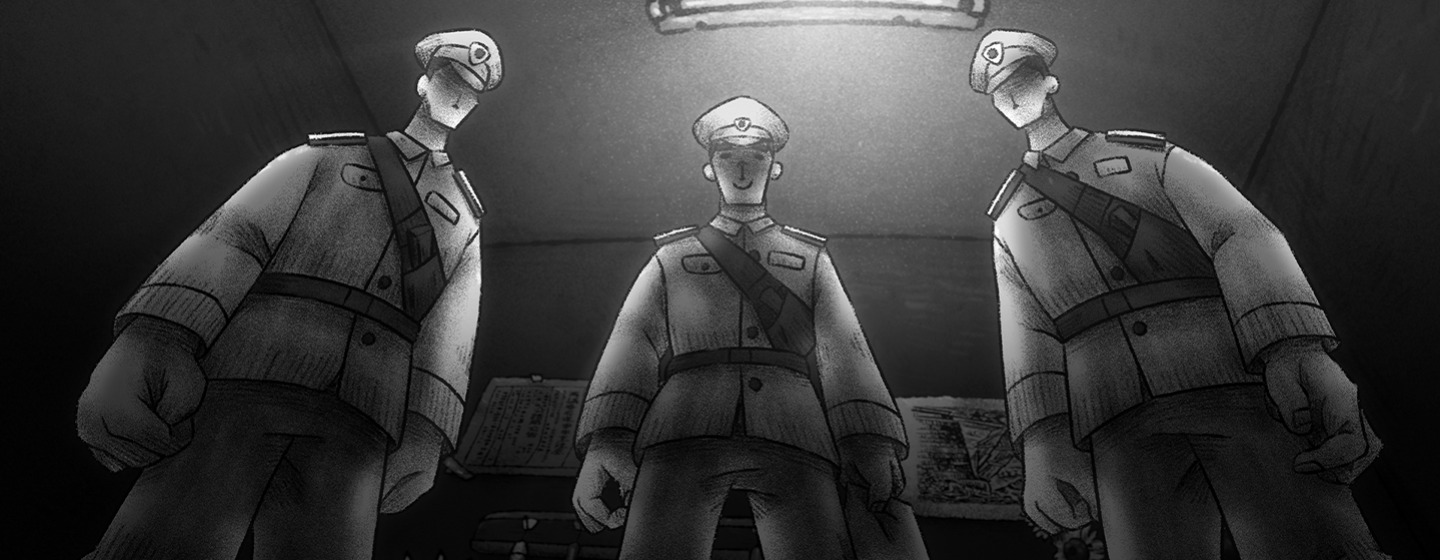
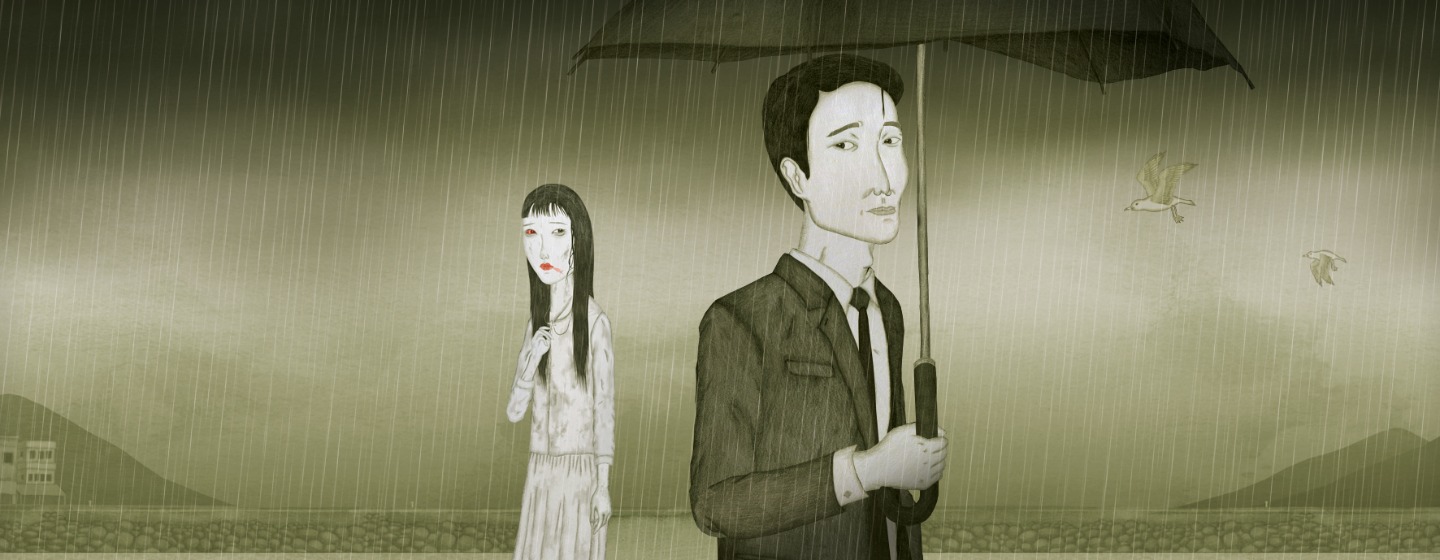
Even though Taiwan has embarked on the path of democratization, the shadows left behind by the authoritarian era have yet to fully fade. Giloo curates a selection of films that focus on the 228 Incident and the White Terror—some directly interviewing victims of the authoritarian period, others reconstructing a silenced era through powerful imagery. Only by confronting this history can we continue moving forward in the faint yet enduring light of democracy.