

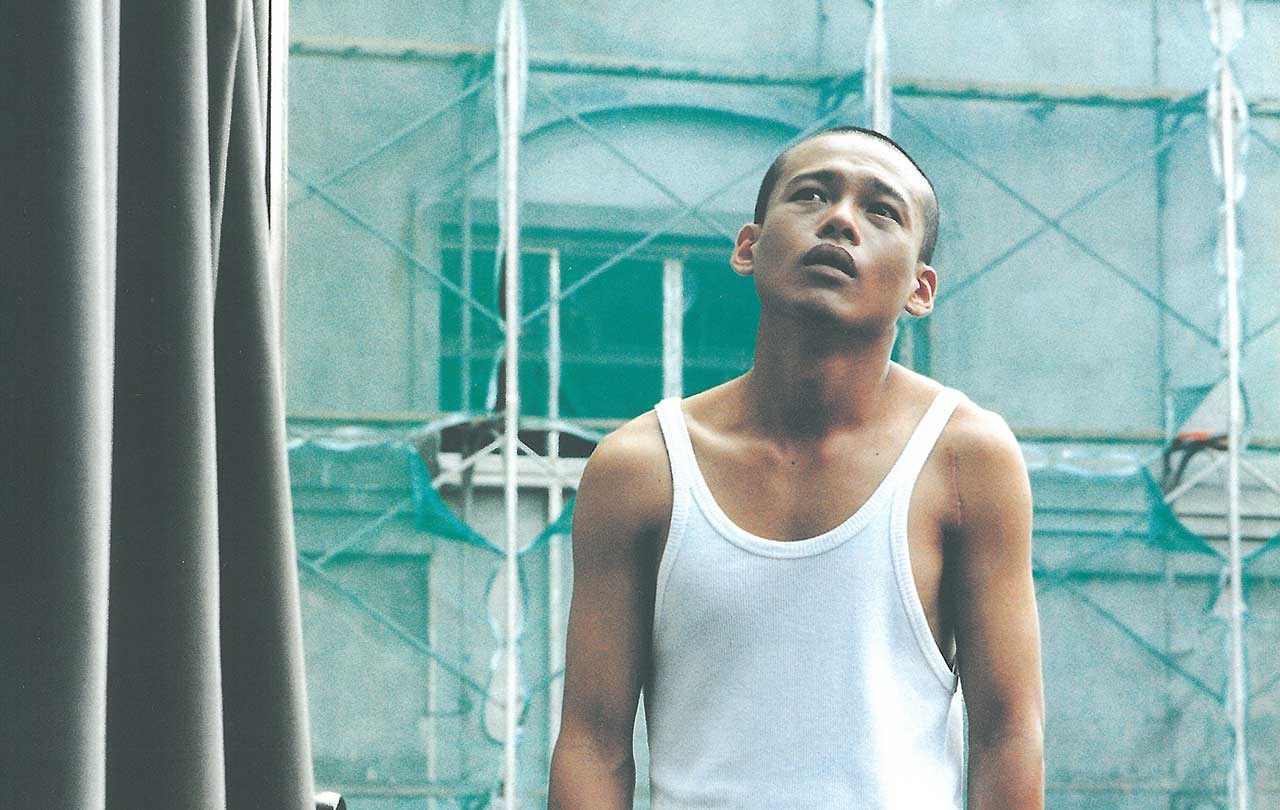
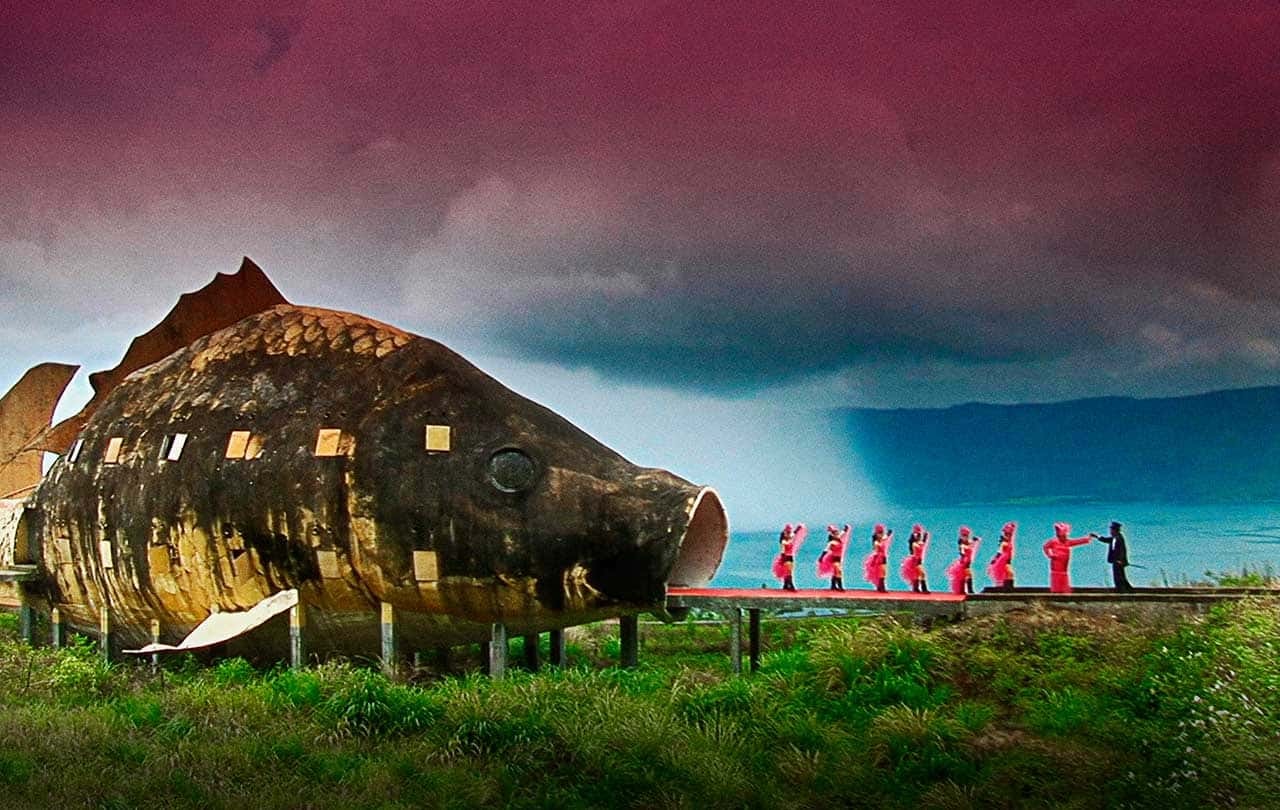
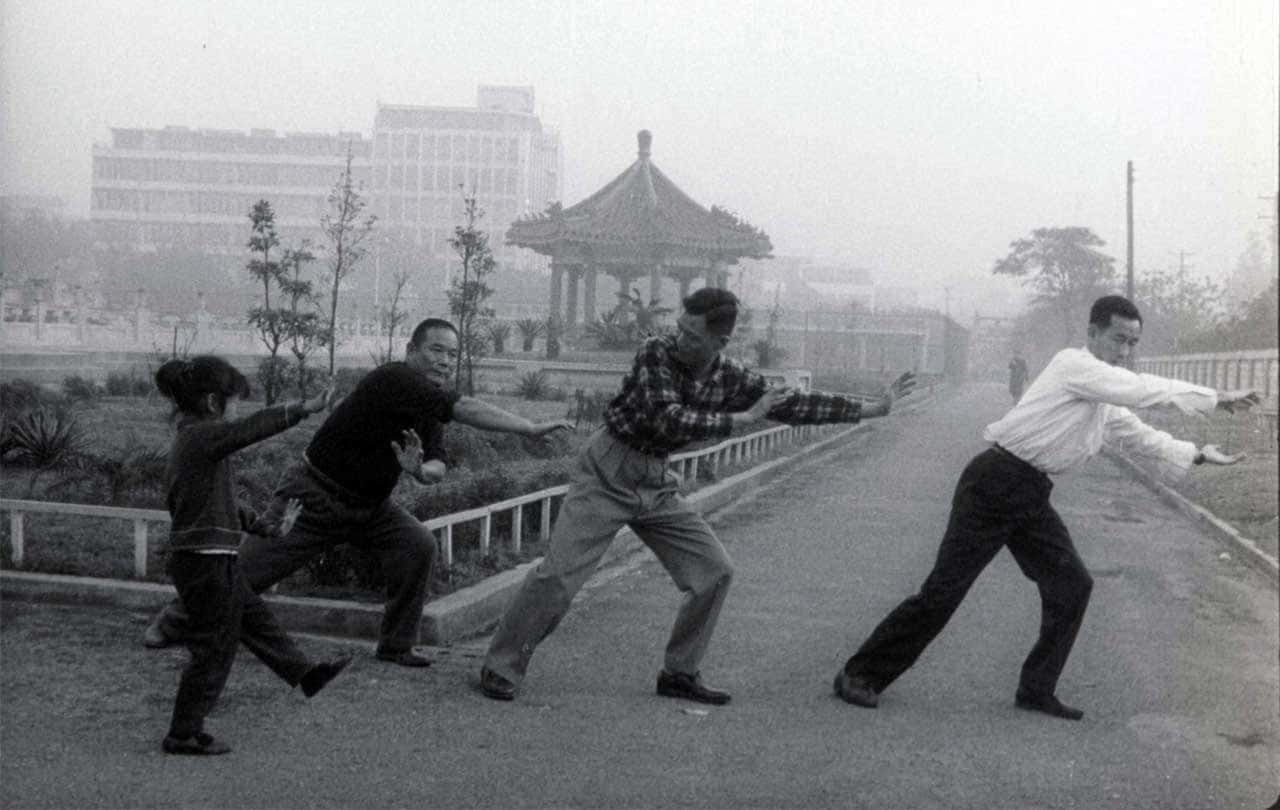
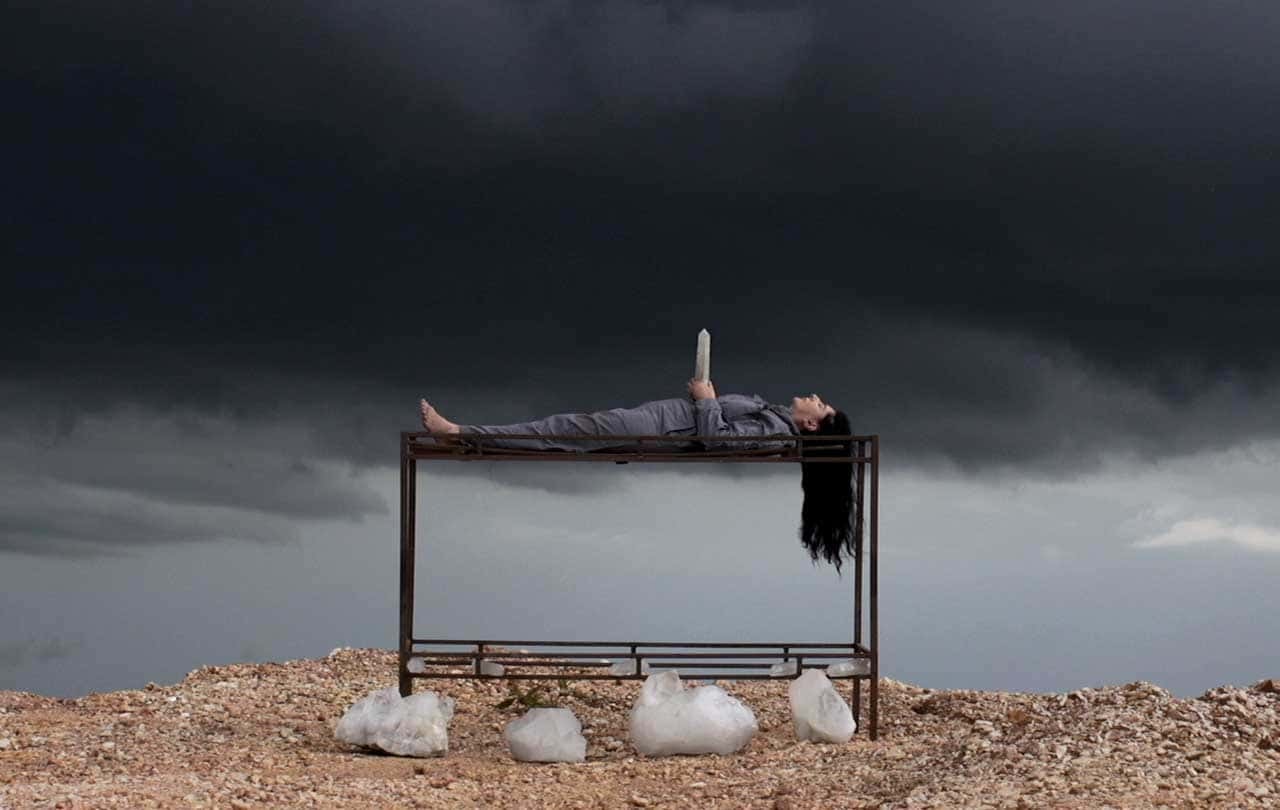
This is a labyrinth of underground caves—each one distinct in style, each both a hidden space and a form of revelation. In The River, the cave takes the shape of secret doors—behind each, encounters that are either redemptive or forbidden. In The Act of Killing, the entrance is brutally exposed: a body split open, revealing cruelty with no filter. Before the Dawn offers a cave of mazes—guided by clear narration, and yet, we fall into a thick fog of disoriented images. A Morning in Taipei is a time-traveling cave—Lim Giong’s soundtrack transforms the past into a self-contained cosmos, where even fleeting moments feel eerily contemporary. Marina Abramović in Brazil leads us inward—to the cave within. Through extreme rituals and faith-fueled intensity, she seeks peace, confronting energies too blinding to look at directly.
 Author川貝母
川貝母,成長於屏東滿州,目前專職插畫圖像與寫小說。喜歡以隱喻的方式創作圖像。著有短篇故事集《蹲在掌紋峽谷的男人》,2021最新出版《成為洞穴》。
Taiwan has long since become the first country in Asia to legalize same-sex marriage, and LGBTQ+ lives seem to be increasingly woven into everyday life. Yet, when we turn our gaze to Asia’s mainstream media and cinema, where are the stories of lesbian women? The love left unspoken, the relationships that defy definition, and the intimacies that blur the line between friendship and romance—are they still hidden beyond the frame? And when lesbian women do appear on screen, how often are their stories truly told from their own perspectives? This time, through a collection of films, we summon those who have always been there, yet have rarely been seen. “I summon you by this name. Reveal yourself.”
The Taiwan Film Festival of Boston is dedicated to showcasing Taiwan’s diverse cultures and social landscapes through cinema while fostering meaningful exchange between Taiwanese filmmakers and North American audiences. Since 2011, the New Taipei City Documentary Film Award has supported documentary filmmaking and encouraged creators to engage with their times, capturing lived experiences and social realities through the moving image. Together, the two organizations present this virtual film festival, featuring outstanding works from past editions of the Taiwan Film Festival of Boston and the New Taipei City Documentary Film Award. By bringing Taiwanese stories of ecology, culture, identity, and coming of age beyond geographical boundaries, this collaboration invites audiences around the world to discover Taiwan through the lens of documentary filmmaking and engage in cross-cultural dialogue. Through the power of documentary cinema, the festival seeks to foster greater cross-cultural understanding, celebrate the creativity and vitality of Taiwan’s documentary tradition, and strengthen connections between New Taipei City, Taiwanese filmmakers, and international film communities. New Taipei City Documentary Award Section Title | Habitats of Life Envisioning a Sustainable Future Where People and the Environment Thrive Together From oceans and forests to where Indigenous communities and cities meet, life seeks ways to survive, grow, and belong. Where the Bees Belong, Hearing from the Dolphin, The Elimination, A Tayal, and Childhood In Between explore ecological conservation, wildlife conditions, cultural heritage, and identity, revealing complex relationships between people, nature, and society. As habitats shift and generations change, each story shows how life responds to environmental and social challenges while seeking new possibilities for coexistence. Echoing the United Nations Sustainable Development Goals (SDGs), this program invites audiences to reconsider habitat not only as a physical place, but also as an ecological, cultural, and emotional home—and to imagine a more diverse, inclusive, and sustainable future. The online screenings held in collaboration with the New Taipei City Documentary Film Awards concluded successfully on October 11. Some films have been taken offline as scheduled. We invite you to continue enjoying the other outstanding films available on the platform!
“Lu-se” (魯蛇, Taiwanese internet slang borrowed from the English word “loser”) seems to have become a dead word. You rarely hear anyone say it anymore, and I’m not sure why. I don’t think the term can be understood simply as the English “loser.” In the way it’s used in Taiwan, it seems to carry a touch of self-deprecating humor, and that’s a quality I really love. The films above are the ones that, to me, have that feeling.