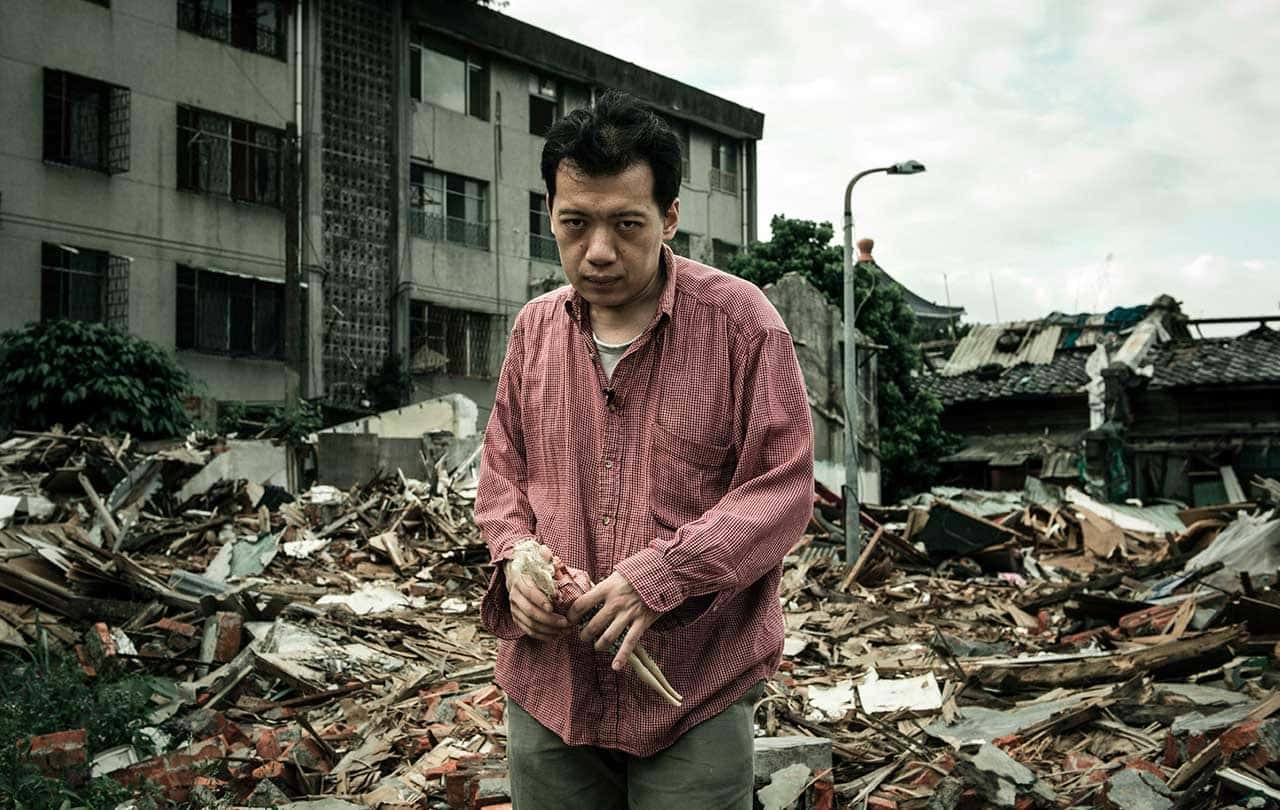
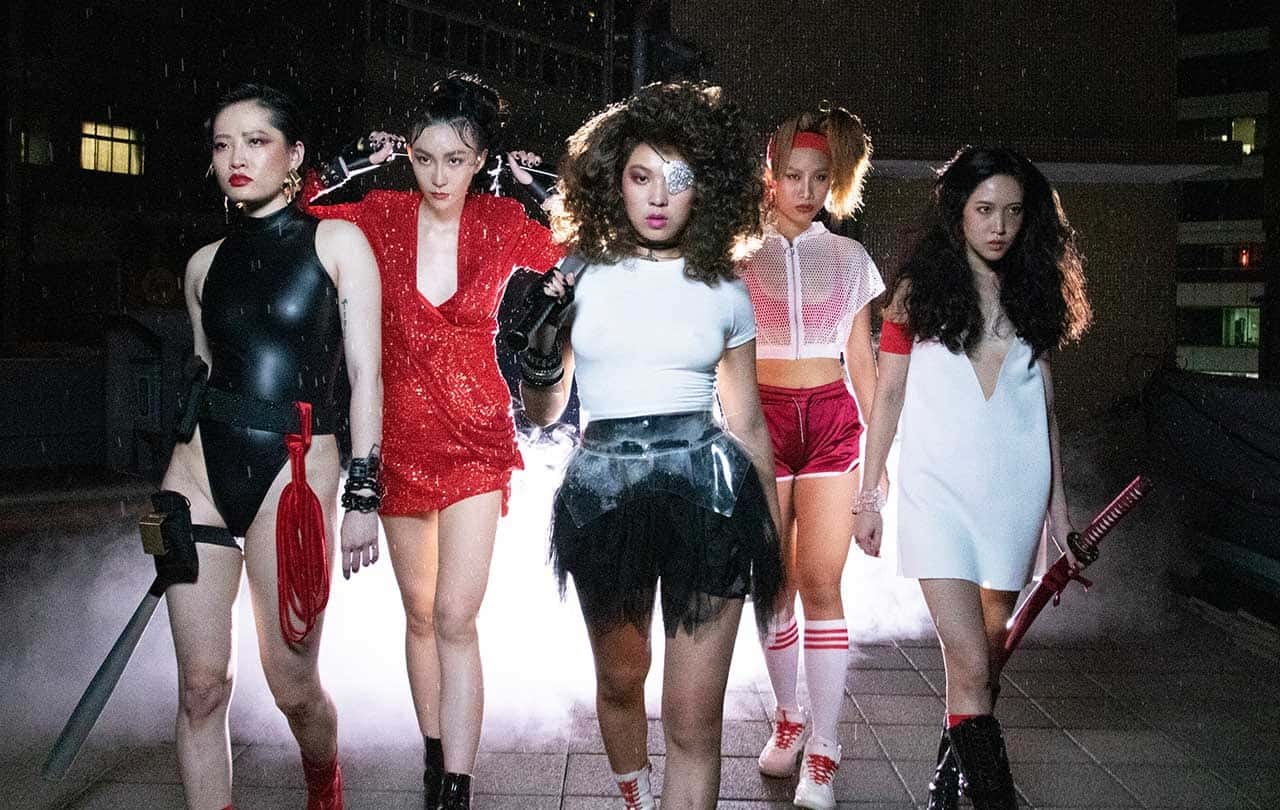
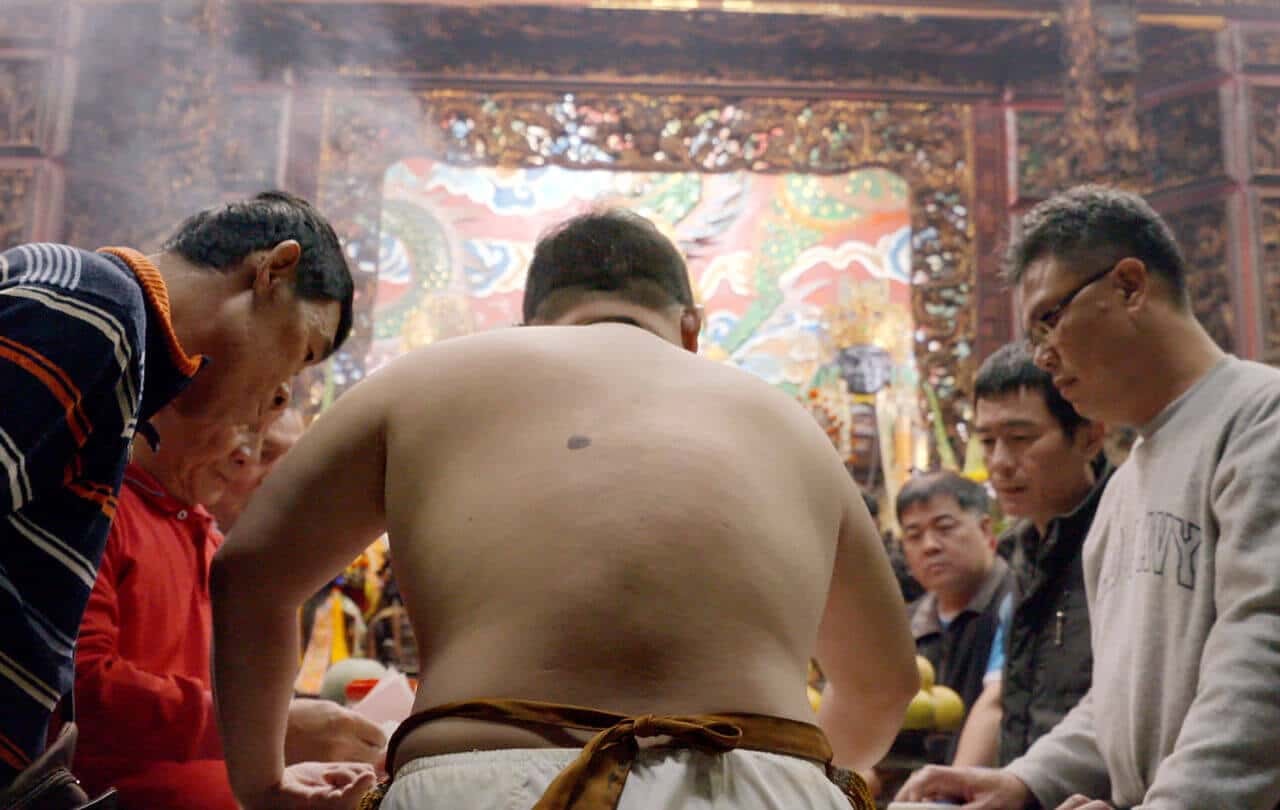
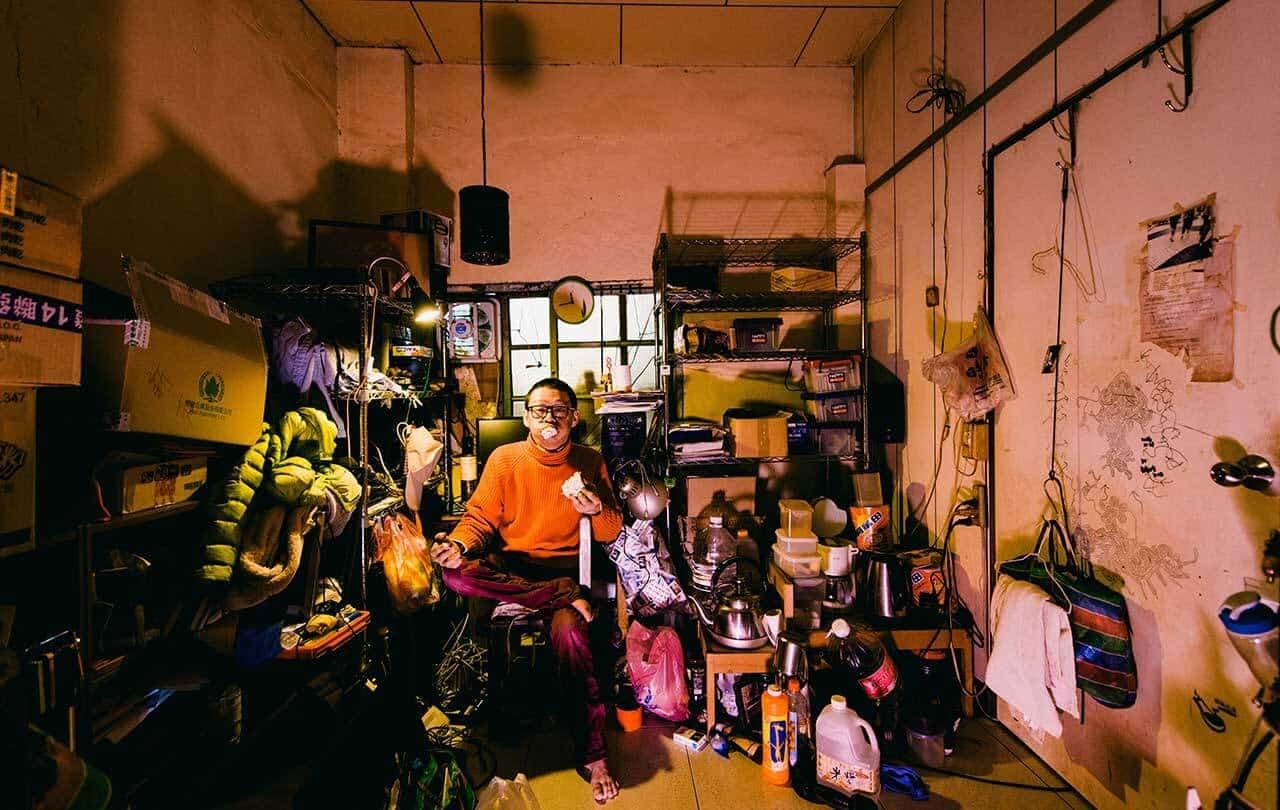
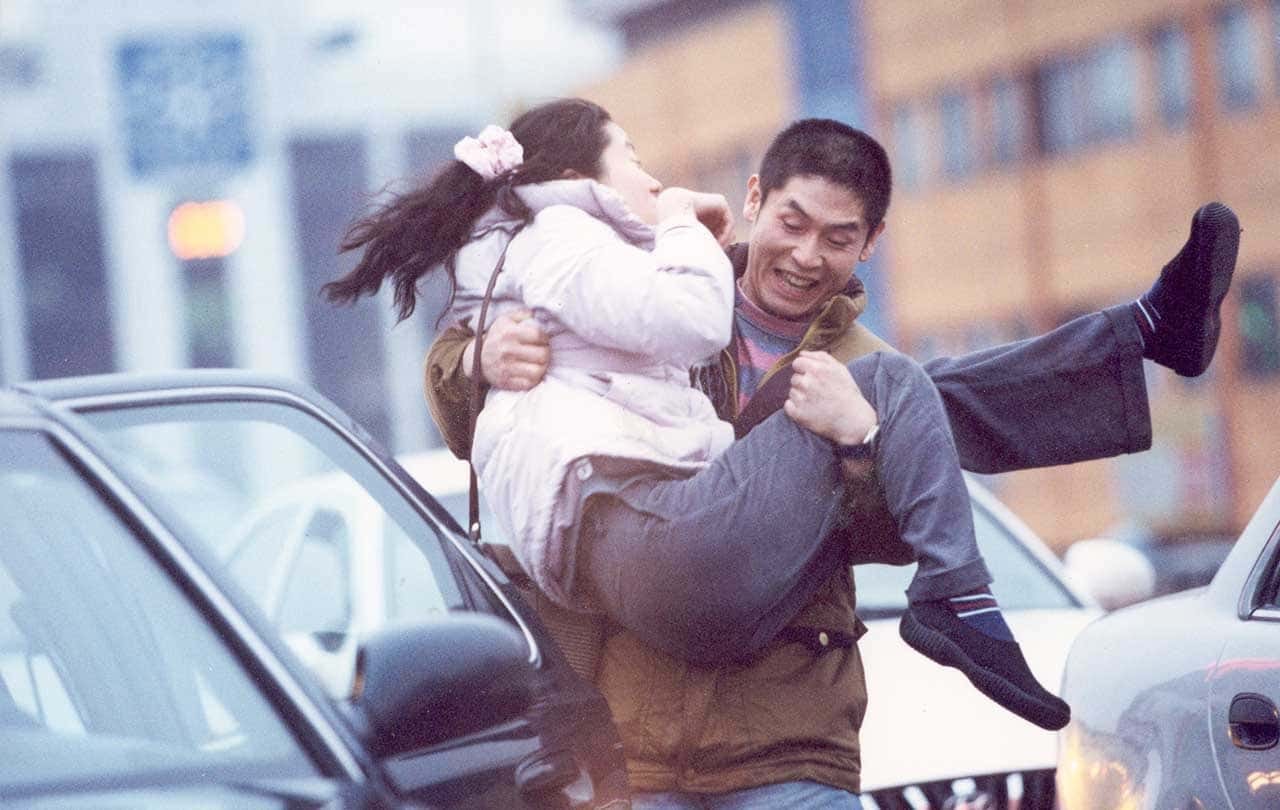
The body is a vessel—its contents, unspeakable. Encased and bordered, the body is never entirely one’s own. It is governed—by nations, by societies, by ideologies. A body may be incomplete from birth. It may only reveal itself in a fleeting moment. It may only feel whole when it sings. Its darkness becomes whole when it finally takes revenge. Five distinct films illuminate the tension between the body's inner desires and outer image. In Oasis, a woman with cerebral palsy dances and sings with an Indian elephant—if only in a dream. In Silent Steps, Ah-Chung tosses aside his crutch, holding up an entire theater with just his hands. In Miracle, a spirit medium’s quivering, closed-eyed body breaks into another dimension. In TPE-Tics, Huang Da-Wang owns his body only while singing onstage. In The Women’s Revenge, a woman in an eye patch strikes back inside a slaughterhouse, leaving male bodies in blood and shreds. Silent or twitching, imprisoned or forbidden—only when the body crosses a border does it become truly, differently embodied.
孫松榮Song-Yong SING。法國巴黎第十大學表演藝術研究所電影學博士,國立臺北藝術大學藝術跨域研究所教授兼電影創作學系代理系主任。現任《藝術評論》主編與《中外文學》編委。曾任財團法人國家電影中心董事、《藝術觀點ACT》雜誌主編與召集人、臺新藝術獎觀察人、「共時的星叢:『風車詩社』與跨界域藝術時代」、「不只是歷史文件:港臺錄像對話1980-90s」、「啓視錄:臺灣錄像藝術創世紀」、第八屆臺灣國際紀錄片雙年展「紀錄之蝕:影像跨界的交會」策展人等。主要研究領域為現當代華語電影美學研究、電影與當代藝術,及當代法國電影理論與美學等。著有《入鏡丨出境:蔡明亮的影像藝術與跨界實踐》(2014),編有《蔡明亮的十三張臉:華語電影研究的當代面孔》(2021)等。
Taiwan has long since become the first country in Asia to legalize same-sex marriage, and LGBTQ+ lives seem to be increasingly woven into everyday life. Yet, when we turn our gaze to Asia’s mainstream media and cinema, where are the stories of lesbian women? The love left unspoken, the relationships that defy definition, and the intimacies that blur the line between friendship and romance—are they still hidden beyond the frame? And when lesbian women do appear on screen, how often are their stories truly told from their own perspectives? This time, through a collection of films, we summon those who have always been there, yet have rarely been seen. “I summon you by this name. Reveal yourself.”
The Taiwan Film Festival of Boston is dedicated to showcasing Taiwan’s diverse cultures and social landscapes through cinema while fostering meaningful exchange between Taiwanese filmmakers and North American audiences. Since 2011, the New Taipei City Documentary Film Award has supported documentary filmmaking and encouraged creators to engage with their times, capturing lived experiences and social realities through the moving image. Together, the two organizations present this virtual film festival, featuring outstanding works from past editions of the Taiwan Film Festival of Boston and the New Taipei City Documentary Film Award. By bringing Taiwanese stories of ecology, culture, identity, and coming of age beyond geographical boundaries, this collaboration invites audiences around the world to discover Taiwan through the lens of documentary filmmaking and engage in cross-cultural dialogue. Through the power of documentary cinema, the festival seeks to foster greater cross-cultural understanding, celebrate the creativity and vitality of Taiwan’s documentary tradition, and strengthen connections between New Taipei City, Taiwanese filmmakers, and international film communities. New Taipei City Documentary Award Section Title | Habitats of Life Envisioning a Sustainable Future Where People and the Environment Thrive Together From oceans and forests to where Indigenous communities and cities meet, life seeks ways to survive, grow, and belong. Where the Bees Belong, Hearing from the Dolphin, The Elimination, A Tayal, and Childhood In Between explore ecological conservation, wildlife conditions, cultural heritage, and identity, revealing complex relationships between people, nature, and society. As habitats shift and generations change, each story shows how life responds to environmental and social challenges while seeking new possibilities for coexistence. Echoing the United Nations Sustainable Development Goals (SDGs), this program invites audiences to reconsider habitat not only as a physical place, but also as an ecological, cultural, and emotional home—and to imagine a more diverse, inclusive, and sustainable future. The online screenings held in collaboration with the New Taipei City Documentary Film Awards concluded successfully on October 11. Some films have been taken offline as scheduled. We invite you to continue enjoying the other outstanding films available on the platform!
“Lu-se” (魯蛇, Taiwanese internet slang borrowed from the English word “loser”) seems to have become a dead word. You rarely hear anyone say it anymore, and I’m not sure why. I don’t think the term can be understood simply as the English “loser.” In the way it’s used in Taiwan, it seems to carry a touch of self-deprecating humor, and that’s a quality I really love. The films above are the ones that, to me, have that feeling.