

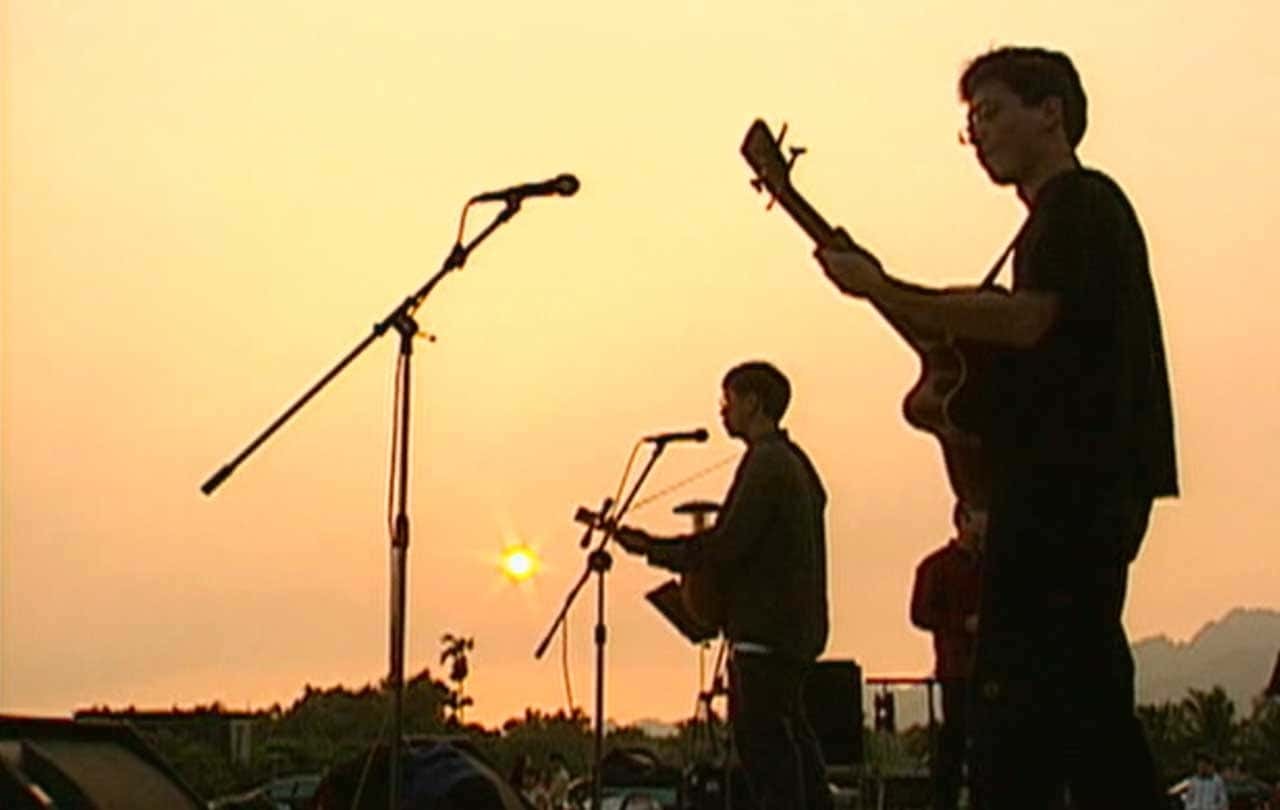
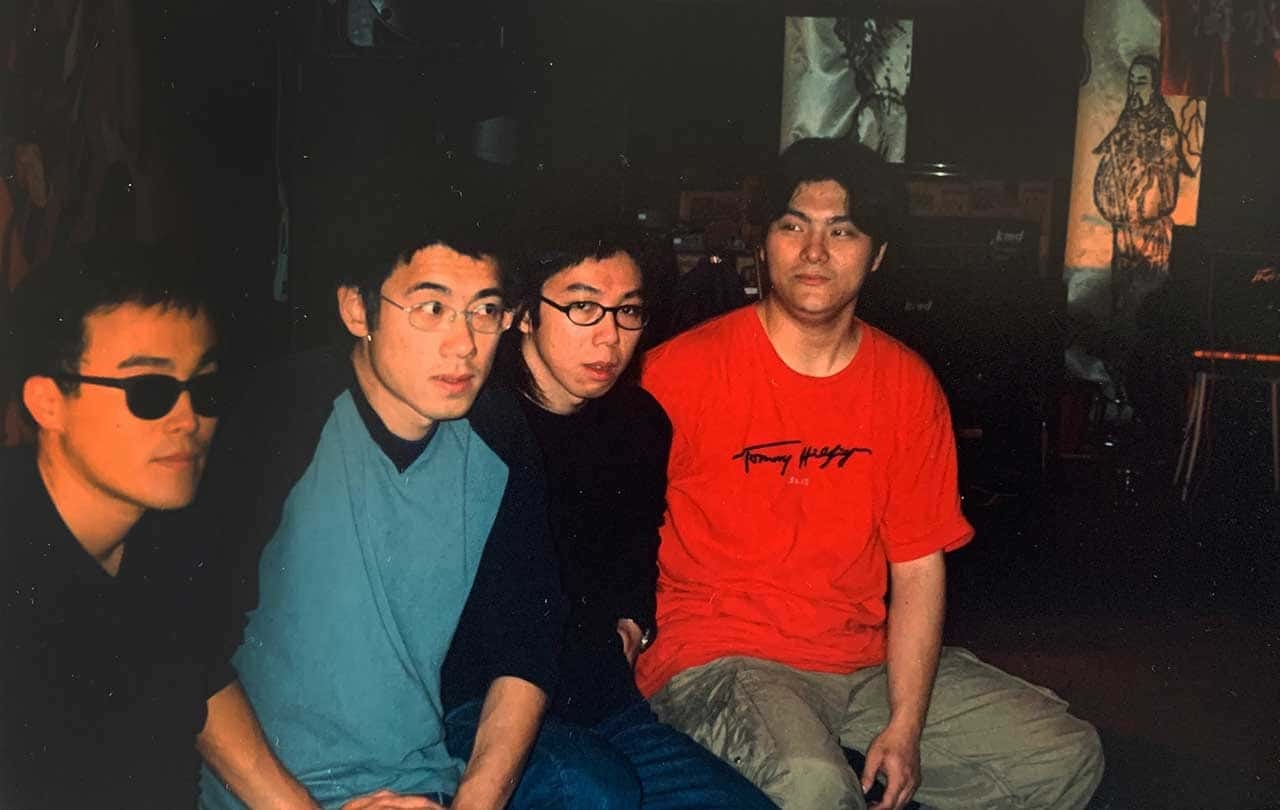
Taiwanese native rock band Sorry Youth shares their exclusive and personal film picks! Lead vocalist Winnie re-watches The Chronicle of Oyster Village every six months—it captures a vivid snapshot of those formative years. County Road 184: East, which portrays The Labor Exchange Band’s passionate musical devotion to the land, is Ginger’s top choice. Drummer Chung-Han strongly recommends Lantouke: The Story of the Loh Tsui Kweh Commune, a raw and powerful look at music as a tool for social resistance—its rebellious spirit still shapes Sorry Youth’s music and mindset today. These five carefully selected documentaries are perfect for fans stuck at home during lockdown—especially indie music lovers and theater people. Let these moving images sharpen your sense of place, and offer a glimpse into the roots of the “Sorry Youth” sound.
 Author拍謝少年 Sorry Youth
由吉他手維尼、貝斯薑薑、鼓手宗翰組成的「一尾台灣土產的搖滾樂隊」。2005年春天吶喊後開始寫歌,初期創作以樂器演奏為主,現在心繫台語搖滾,目標寫出阿公阿嫲點頭稱讚的台語金曲,以井上雄彥為精神導師,熱炒攤為後援補給,拎著啤酒樂器穿梭於南北縱貫現場,音樂靈魂來自現場表演氣味。

Taiwan has long since become the first country in Asia to legalize same-sex marriage, and LGBTQ+ lives seem to be increasingly woven into everyday life. Yet, when we turn our gaze to Asia’s mainstream media and cinema, where are the stories of lesbian women? The love left unspoken, the relationships that defy definition, and the intimacies that blur the line between friendship and romance—are they still hidden beyond the frame? And when lesbian women do appear on screen, how often are their stories truly told from their own perspectives? This time, through a collection of films, we summon those who have always been there, yet have rarely been seen. “I summon you by this name. Reveal yourself.”
The Taiwan Film Festival of Boston is dedicated to showcasing Taiwan’s diverse cultures and social landscapes through cinema while fostering meaningful exchange between Taiwanese filmmakers and North American audiences. Since 2011, the New Taipei City Documentary Film Award has supported documentary filmmaking and encouraged creators to engage with their times, capturing lived experiences and social realities through the moving image. Together, the two organizations present this virtual film festival, featuring outstanding works from past editions of the Taiwan Film Festival of Boston and the New Taipei City Documentary Film Award. By bringing Taiwanese stories of ecology, culture, identity, and coming of age beyond geographical boundaries, this collaboration invites audiences around the world to discover Taiwan through the lens of documentary filmmaking and engage in cross-cultural dialogue. Through the power of documentary cinema, the festival seeks to foster greater cross-cultural understanding, celebrate the creativity and vitality of Taiwan’s documentary tradition, and strengthen connections between New Taipei City, Taiwanese filmmakers, and international film communities. New Taipei City Documentary Award Section Title | Habitats of Life Envisioning a Sustainable Future Where People and the Environment Thrive Together From oceans and forests to where Indigenous communities and cities meet, life seeks ways to survive, grow, and belong. Where the Bees Belong, Hearing from the Dolphin, The Elimination, A Tayal, and Childhood In Between explore ecological conservation, wildlife conditions, cultural heritage, and identity, revealing complex relationships between people, nature, and society. As habitats shift and generations change, each story shows how life responds to environmental and social challenges while seeking new possibilities for coexistence. Echoing the United Nations Sustainable Development Goals (SDGs), this program invites audiences to reconsider habitat not only as a physical place, but also as an ecological, cultural, and emotional home—and to imagine a more diverse, inclusive, and sustainable future. The online screenings held in collaboration with the New Taipei City Documentary Film Awards concluded successfully on October 11. Some films have been taken offline as scheduled. We invite you to continue enjoying the other outstanding films available on the platform!
“Lu-se” (魯蛇, Taiwanese internet slang borrowed from the English word “loser”) seems to have become a dead word. You rarely hear anyone say it anymore, and I’m not sure why. I don’t think the term can be understood simply as the English “loser.” In the way it’s used in Taiwan, it seems to carry a touch of self-deprecating humor, and that’s a quality I really love. The films above are the ones that, to me, have that feeling.