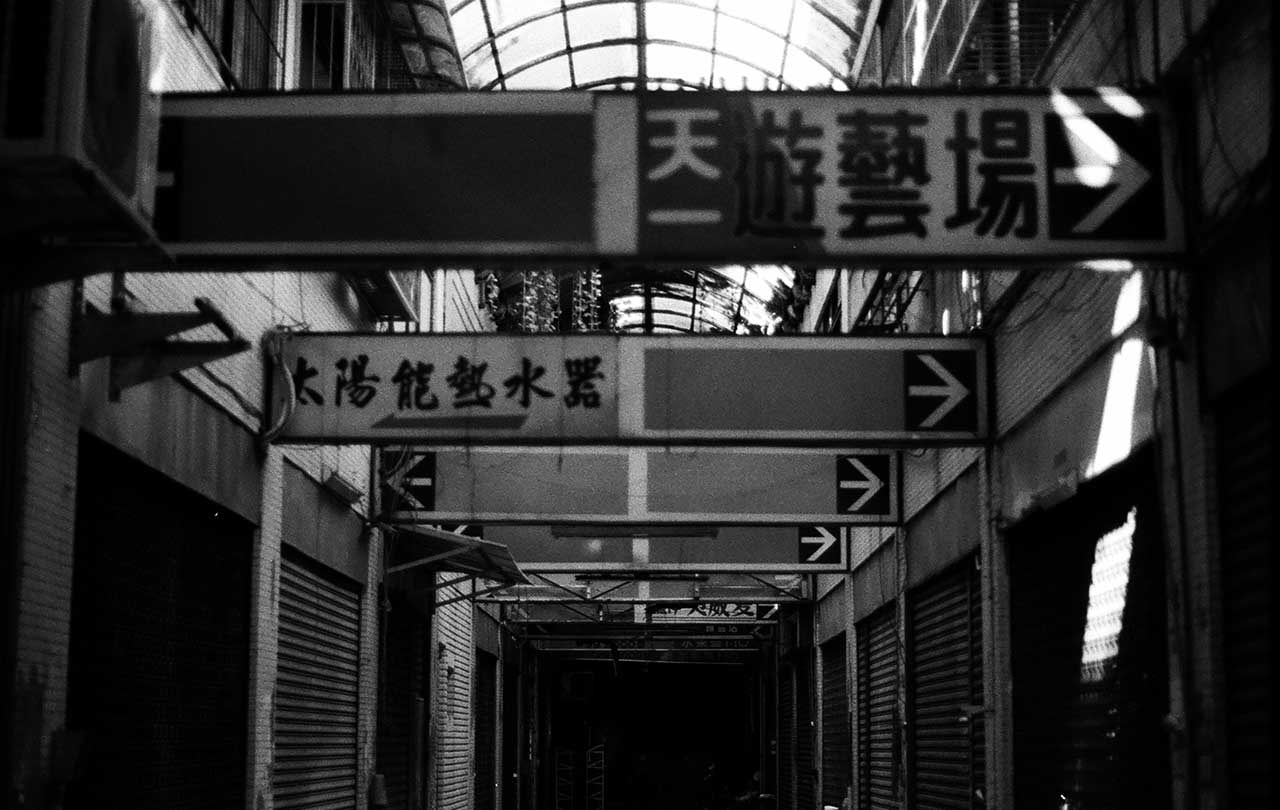
Before the pandemic, mobility was becoming not just a choice but a necessity—almost a defining feature of modern life. And yet, ironically, it was also becoming harder. You might have held romantic notions about mobility—traveling abroad, for instance. Even the quiet sorrow of Up in the Air still seemed glamorous enough to earn an envious “so lucky, you get to travel so much” at dinner parties. Frequent flyer programs became subtle indicators of social class. But let’s not forget—migrant workers are also people constantly on the move. Signing a work contract and flying into a new country or city—just like many of us—they land, and beyond the job at hand, they must figure out how to live. Food, shelter, transportation… survival isn't just about instinct, but also a reflection of how open and welcoming a city can be. You might get to choose where you live. Or not. Once the commute is sorted, what matters most could be: Where can I grab a bite? Is there a pharmacy or hospital nearby? (Yes, that reveals the writer's age.) Is there a place for a good massage? Where can I meet friends for a drink—or maybe meet someone new? Once those questions are answered, the place starts to feel liveable. Even if it’s just for three months. And love, while in transit, rarely fits into tidy boxes like monogamy shaped by economics and productivity—but that’s a story for another time.
 Author小樹
StreetVoice音樂頻道總監。曾任多屆金曲獎及金音創作獎評審、第九屆金音創作獎系列座談總策畫、島嶼路第二季之台三線引路人、活屋十講系列講座總策畫、2019台灣文博會On Line Radio總策畫。首部搖滾樂小說作品【1982】(大塊出版)。音樂文字作品集【關電台司令什麼事啊?】麥浩斯(城邦)出版。現為The Big Issue大誌專欄樂評、StreetVoice音樂頻道總監、見證大團誕生系列總策劃、廣播節目【StreetVoice未來進行式】周六下午三點@飛碟聯播網、Podcast節目【感官一條通】@SoundOn。
Taiwan has long since become the first country in Asia to legalize same-sex marriage, and LGBTQ+ lives seem to be increasingly woven into everyday life. Yet, when we turn our gaze to Asia’s mainstream media and cinema, where are the stories of lesbian women? The love left unspoken, the relationships that defy definition, and the intimacies that blur the line between friendship and romance—are they still hidden beyond the frame? And when lesbian women do appear on screen, how often are their stories truly told from their own perspectives? This time, through a collection of films, we summon those who have always been there, yet have rarely been seen. “I summon you by this name. Reveal yourself.”
The Taiwan Film Festival of Boston is dedicated to showcasing Taiwan’s diverse cultures and social landscapes through cinema while fostering meaningful exchange between Taiwanese filmmakers and North American audiences. Since 2011, the New Taipei City Documentary Film Award has supported documentary filmmaking and encouraged creators to engage with their times, capturing lived experiences and social realities through the moving image. Together, the two organizations present this virtual film festival, featuring outstanding works from past editions of the Taiwan Film Festival of Boston and the New Taipei City Documentary Film Award. By bringing Taiwanese stories of ecology, culture, identity, and coming of age beyond geographical boundaries, this collaboration invites audiences around the world to discover Taiwan through the lens of documentary filmmaking and engage in cross-cultural dialogue. Through the power of documentary cinema, the festival seeks to foster greater cross-cultural understanding, celebrate the creativity and vitality of Taiwan’s documentary tradition, and strengthen connections between New Taipei City, Taiwanese filmmakers, and international film communities. New Taipei City Documentary Award Section Title | Habitats of Life Envisioning a Sustainable Future Where People and the Environment Thrive Together From oceans and forests to where Indigenous communities and cities meet, life seeks ways to survive, grow, and belong. Where the Bees Belong, Hearing from the Dolphin, The Elimination, A Tayal, and Childhood In Between explore ecological conservation, wildlife conditions, cultural heritage, and identity, revealing complex relationships between people, nature, and society. As habitats shift and generations change, each story shows how life responds to environmental and social challenges while seeking new possibilities for coexistence. Echoing the United Nations Sustainable Development Goals (SDGs), this program invites audiences to reconsider habitat not only as a physical place, but also as an ecological, cultural, and emotional home—and to imagine a more diverse, inclusive, and sustainable future. The online screenings held in collaboration with the New Taipei City Documentary Film Awards concluded successfully on October 11. Some films have been taken offline as scheduled. We invite you to continue enjoying the other outstanding films available on the platform!
“Lu-se” (魯蛇, Taiwanese internet slang borrowed from the English word “loser”) seems to have become a dead word. You rarely hear anyone say it anymore, and I’m not sure why. I don’t think the term can be understood simply as the English “loser.” In the way it’s used in Taiwan, it seems to carry a touch of self-deprecating humor, and that’s a quality I really love. The films above are the ones that, to me, have that feeling.