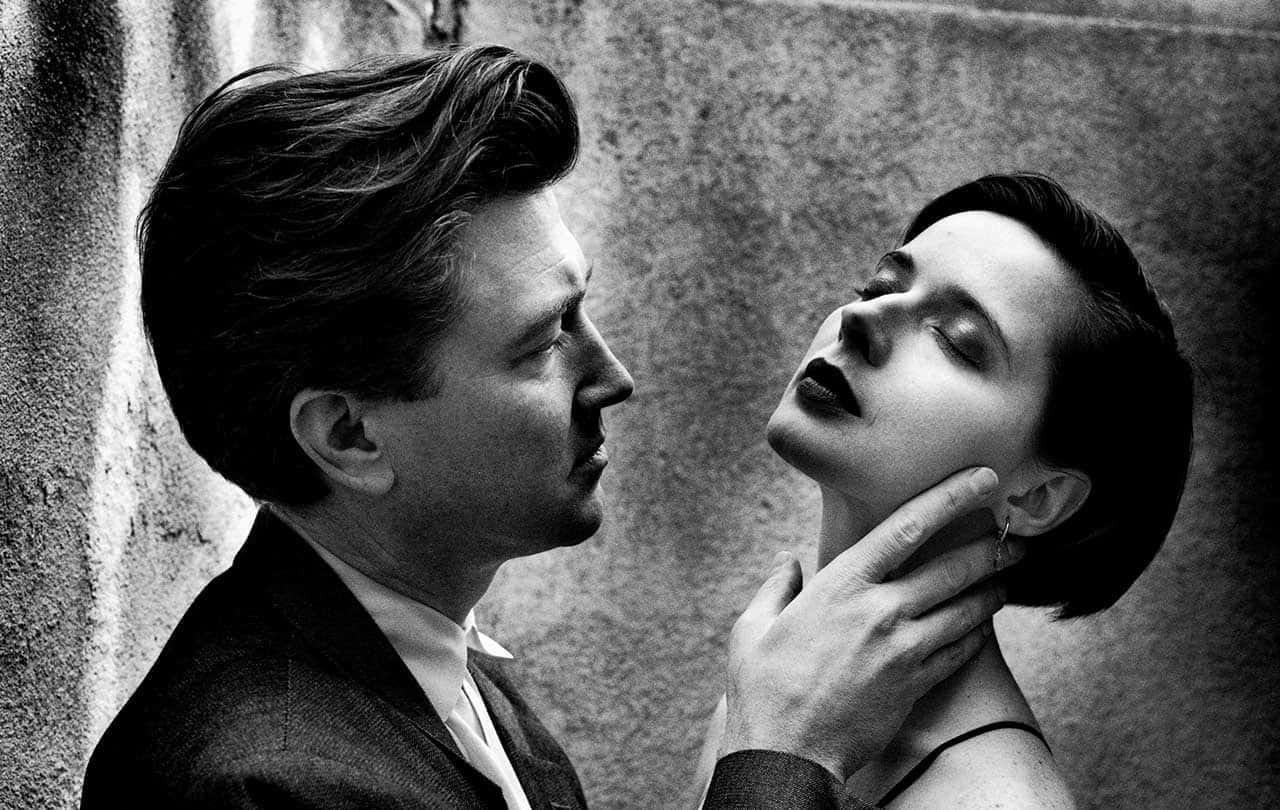
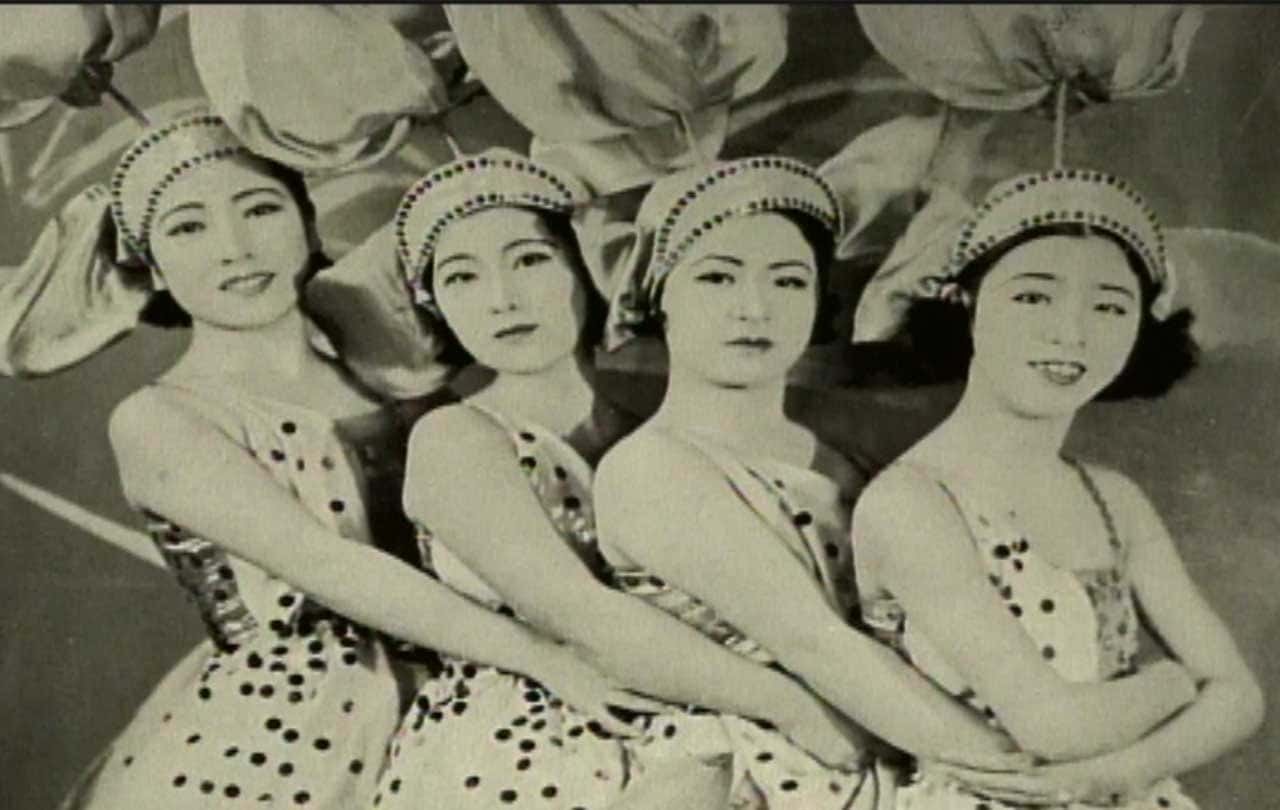
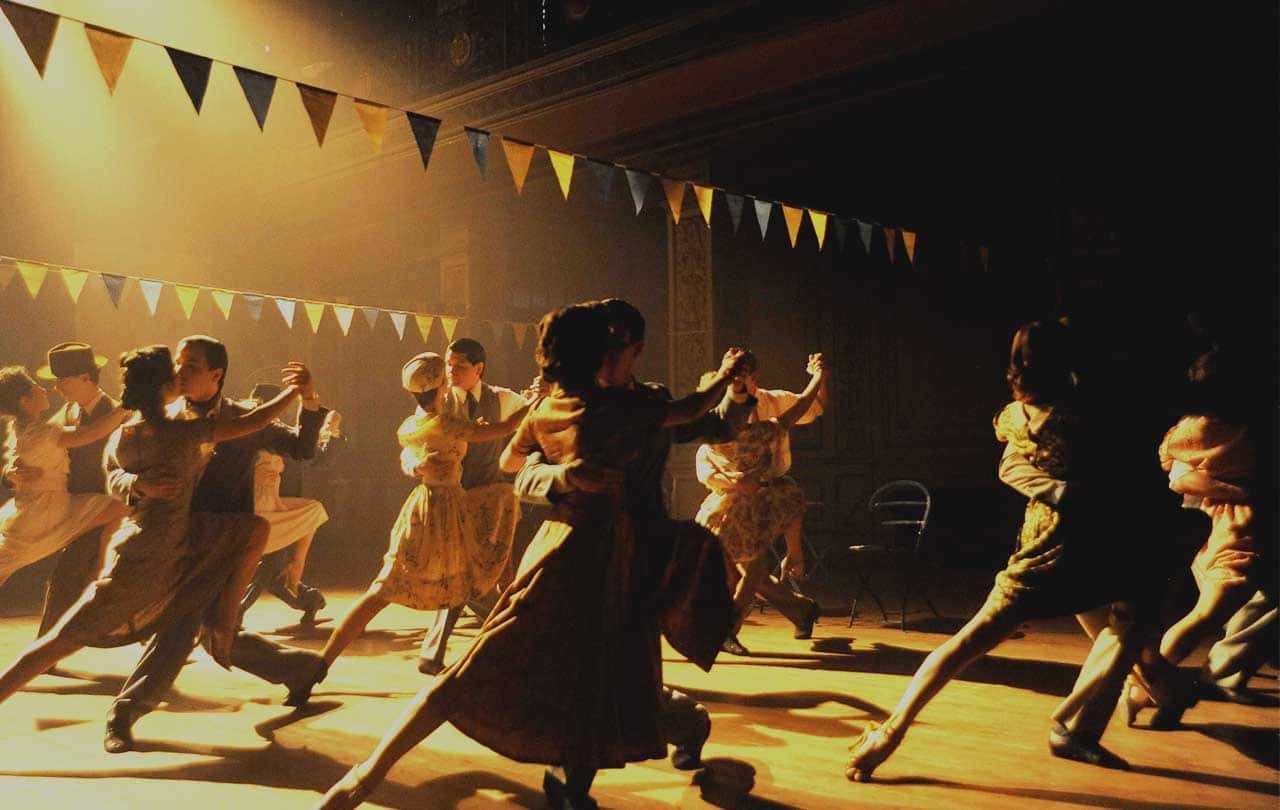
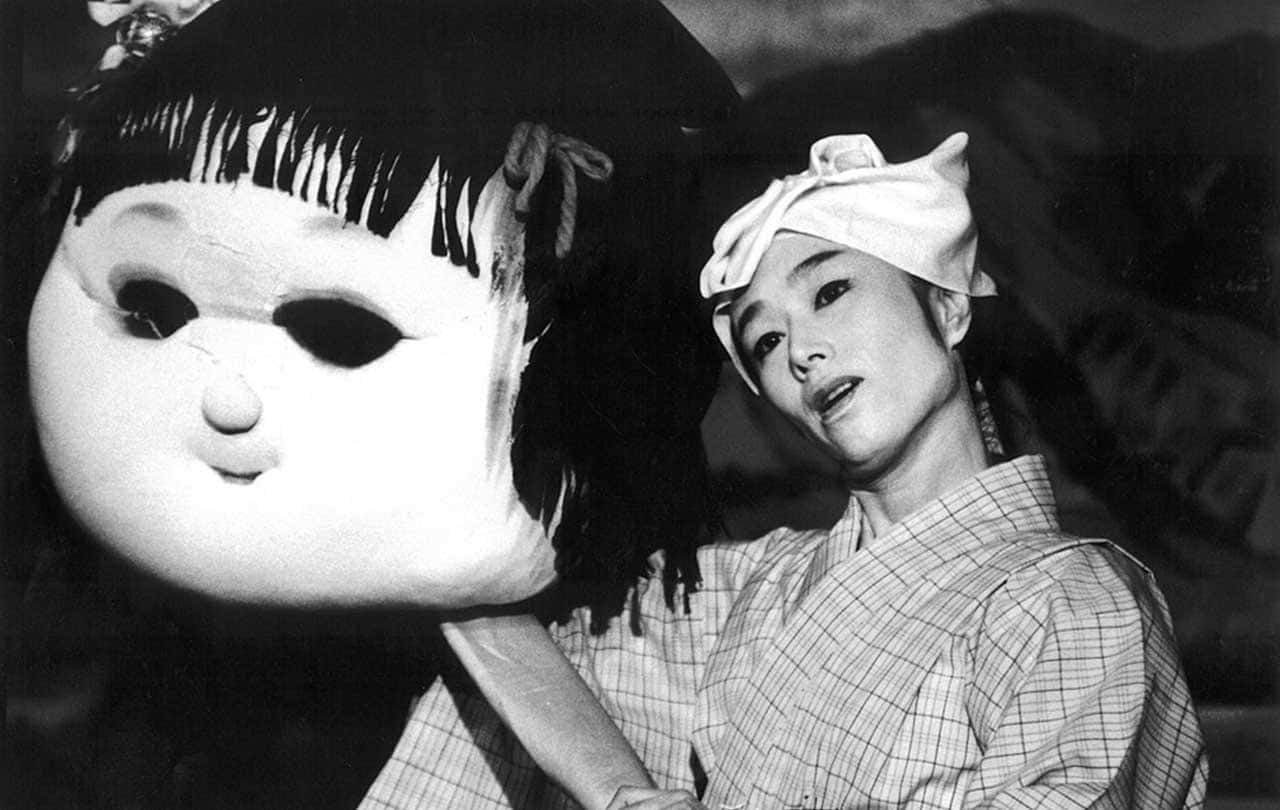
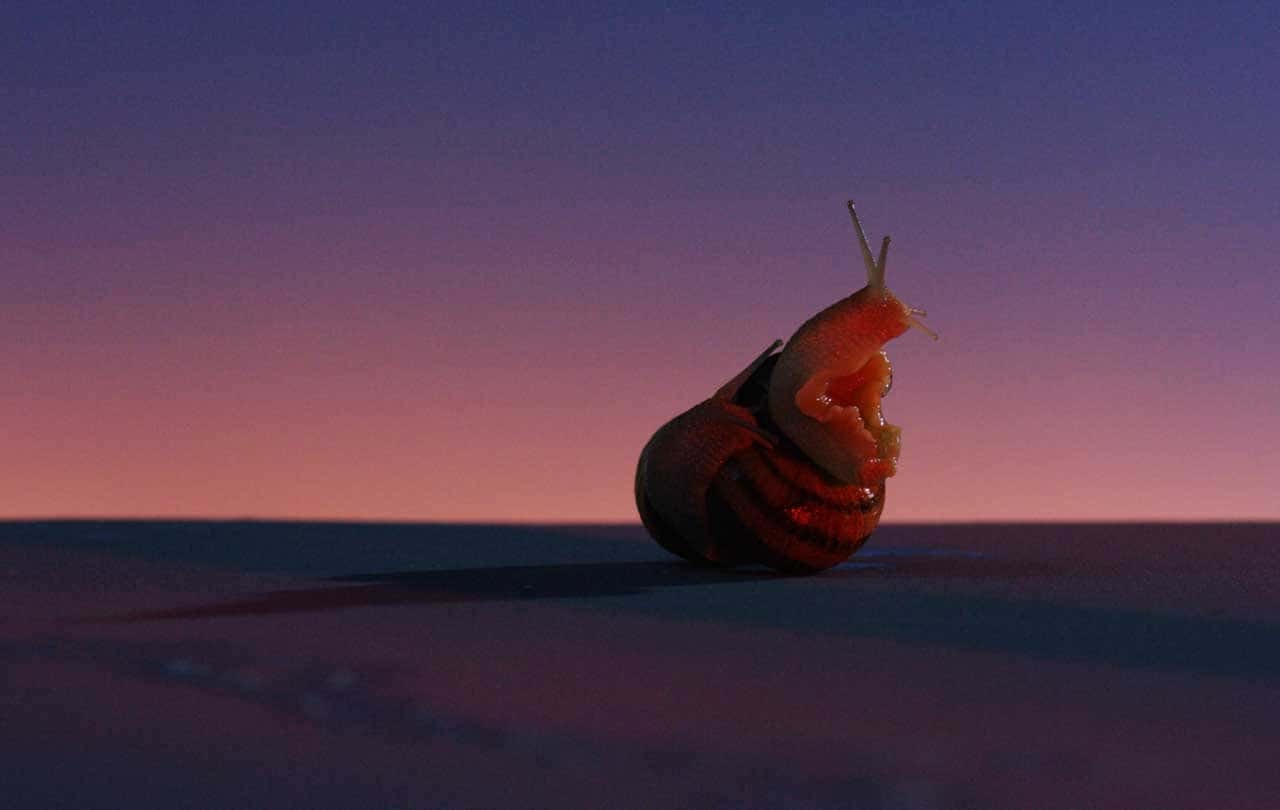
Because we have bodies—we dance. For all the fleeting emotions that language cannot carry, for the sighs that slip between chest and lips, for the searing songs that burn holes in our tongues, when words and sound fall short, the human body rises—our hands begin to speak, our feet begin to move. In the early 20th century, the phonograph arrived in Taiwan from Japan. Records traveled by train to Yilan. In Shanghai, Tokyo, and Taipei, stylish men and women danced the foxtrot. Desires became modern, love became free—by the riverside, in spring dreams, we declared: We are civilized women. Taiwan had entered the age of dance. But dancing isn’t always freedom. Japanese dancer Genjyu Hanayagi woke a sleeping dog with her body. She hadn’t yet shed the kimono—the garment shaped by a feudal system that once bound women. But the kimono would never devour her. As long as she danced, she could swallow discrimination whole. Argentinian tango queen María Nieves put on her flowing dress and danced her way out of poverty, out of the milonga halls, onto Broadway. It took her half a century to reclaim her steps—through deadly embraces and long gazes, through love and hate, intimacy and estrangement. Only when the music stopped did she find her freedom. When women aren’t dancing, is the body a work of art? A doll? The women photographed by the bad boy Helmut Newton dance even in stillness. He stares through the viewfinder—at them, at himself. Their gazes meet, a tango of vision. To gaze is to reclaim space for the body. Snails need no eyes to stake their claim in the world. They dance a love never known before—pure, entangled, silent. They lick the edges of dusk and morning, drawing desire in trails of slime. I love watching dance—sometimes I dance wildly myself. In these five documentaries, in their movements, I feel it again: the body being born. And with it, connection.
 Author顏訥
清華大學中文所博士,中研院文哲所博士後研究員。研究香港、台灣文學傳播現象與唐宋詞、筆記性別文化空間。創作以散文、評論為主,得過一些文學獎,入選《九歌106年散文選》,散文創作計畫獲國藝會創作補助。著有散文集《幽魂訥訥》、合著有《百年降生:1900-2000台灣文學故事》。
Taiwan has long since become the first country in Asia to legalize same-sex marriage, and LGBTQ+ lives seem to be increasingly woven into everyday life. Yet, when we turn our gaze to Asia’s mainstream media and cinema, where are the stories of lesbian women? The love left unspoken, the relationships that defy definition, and the intimacies that blur the line between friendship and romance—are they still hidden beyond the frame? And when lesbian women do appear on screen, how often are their stories truly told from their own perspectives? This time, through a collection of films, we summon those who have always been there, yet have rarely been seen. “I summon you by this name. Reveal yourself.”
The Taiwan Film Festival of Boston is dedicated to showcasing Taiwan’s diverse cultures and social landscapes through cinema while fostering meaningful exchange between Taiwanese filmmakers and North American audiences. Since 2011, the New Taipei City Documentary Film Award has supported documentary filmmaking and encouraged creators to engage with their times, capturing lived experiences and social realities through the moving image. Together, the two organizations present this virtual film festival, featuring outstanding works from past editions of the Taiwan Film Festival of Boston and the New Taipei City Documentary Film Award. By bringing Taiwanese stories of ecology, culture, identity, and coming of age beyond geographical boundaries, this collaboration invites audiences around the world to discover Taiwan through the lens of documentary filmmaking and engage in cross-cultural dialogue. Through the power of documentary cinema, the festival seeks to foster greater cross-cultural understanding, celebrate the creativity and vitality of Taiwan’s documentary tradition, and strengthen connections between New Taipei City, Taiwanese filmmakers, and international film communities. New Taipei City Documentary Award Section Title | Habitats of Life Envisioning a Sustainable Future Where People and the Environment Thrive Together From oceans and forests to where Indigenous communities and cities meet, life seeks ways to survive, grow, and belong. Where the Bees Belong, Hearing from the Dolphin, The Elimination, A Tayal, and Childhood In Between explore ecological conservation, wildlife conditions, cultural heritage, and identity, revealing complex relationships between people, nature, and society. As habitats shift and generations change, each story shows how life responds to environmental and social challenges while seeking new possibilities for coexistence. Echoing the United Nations Sustainable Development Goals (SDGs), this program invites audiences to reconsider habitat not only as a physical place, but also as an ecological, cultural, and emotional home—and to imagine a more diverse, inclusive, and sustainable future. The online screenings held in collaboration with the New Taipei City Documentary Film Awards concluded successfully on October 11. Some films have been taken offline as scheduled. We invite you to continue enjoying the other outstanding films available on the platform!
“Lu-se” (魯蛇, Taiwanese internet slang borrowed from the English word “loser”) seems to have become a dead word. You rarely hear anyone say it anymore, and I’m not sure why. I don’t think the term can be understood simply as the English “loser.” In the way it’s used in Taiwan, it seems to carry a touch of self-deprecating humor, and that’s a quality I really love. The films above are the ones that, to me, have that feeling.