

In Black Swan, Nina pushes herself step by step toward collapse in her pursuit of becoming the perfect dancer. Sixteen years later, Darren Aronofsky, the director who brought her story to the screen, has a different idea of perfection.
The 2026 Taipei Golden Horse Film Festival screened Black Swan, with Aronofsky appearing in person at MUVIE TITAN in Taipei for a conversation with the audience that lasted more than half an hour. That evening, someone asked why people can drive themselves to the point of madness for a performance. Another person wondered what Aronofsky himself remains obsessed with after making so many films about obsession.
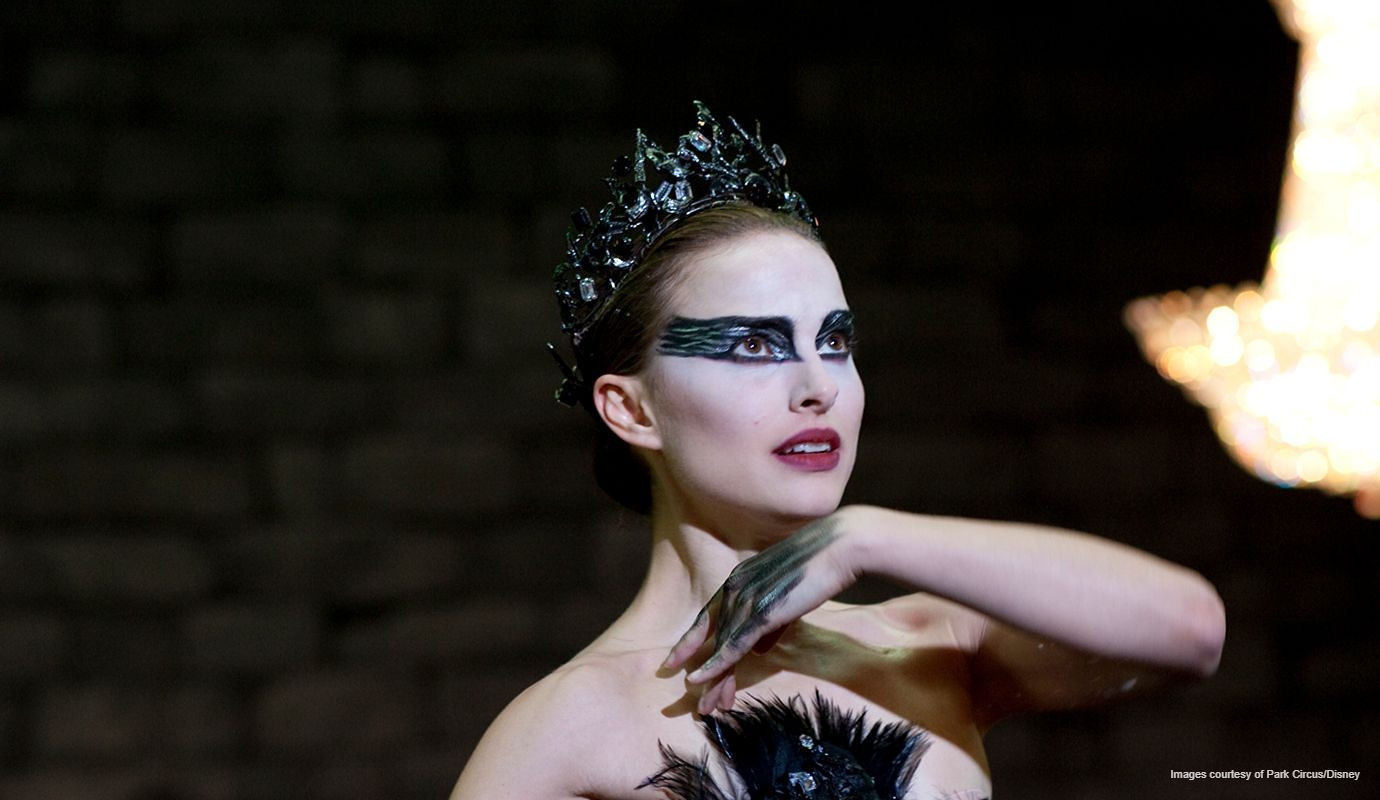
“I didn't expect the questions from the Taiwanese audience to be so personal,” he said with a laugh, before reflecting on how his relationship with film, creativity, and life has changed over the years.
He said he was very strict when he was younger, especially while making his first three films, and always wanted everything to unfold precisely according to plan. It was not until he made The Wrestler that he began allowing more chaos onto the set and gradually came to understand the power of improvisation.
“There is a kind of perfection in simply being present. In dance, perfection exists in the moment.”
From Nina's fixation to the director's present-day realization, the distance of sixteen years has produced a different answer to the same question about perfection.
“People who like ballet hate horror films, and people who like horror films hate ballet.”
Black Swan took ten years to make.
The story began with Aronofsky's curiosity about ballet. His sister had studied ballet from childhood, but he never really understood that world. So when he first approached Natalie Portman about working together, he told her that he wanted to make a ballet film.
Hollywood, however, was not interested in the idea.
“One investor told me that people who like ballet hate horror films, and people who like horror films hate ballet, so no one would go see it.”
Aronofsky nevertheless remained convinced that bringing together two seemingly incompatible sensibilities could be fascinating.
The story drew inspiration from several sources, including Fyodor Dostoevsky's novella The Double and a screenplay by Andres Heinz, originally set backstage on Broadway with an All About Eve-like plot. But the element that truly brought everything together came when Aronofsky watched Swan Lake while researching ballet.
He suddenly realized that the story already contained the Black Swan and the White Swan: two sides of the same character.
“The answer was right in front of me.”
The screenplay eventually passed through the hands of three writers. Aronofsky joked that the second writer's greatest contribution was coming up with the title Black Swan, while most of the final screenplay was written by Mark Heyman.
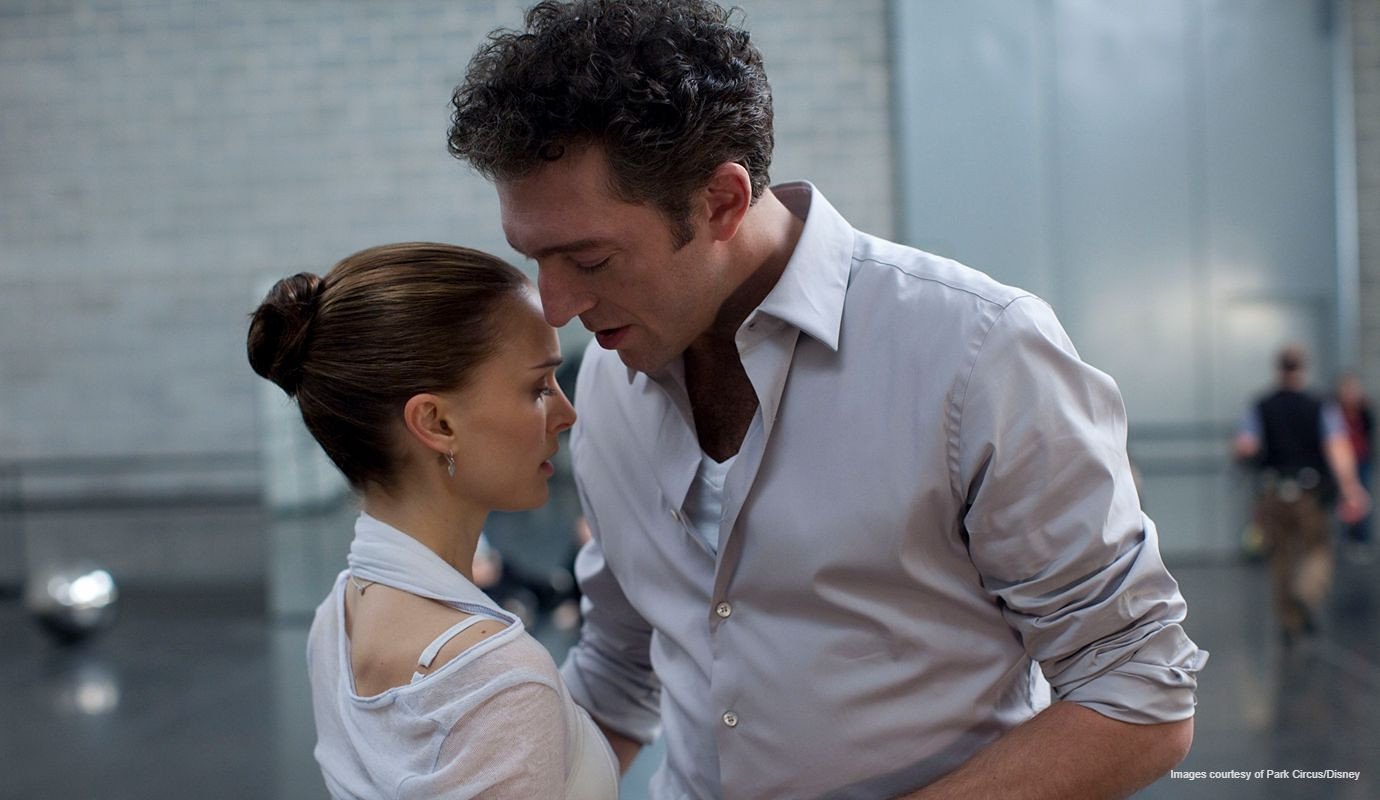
“Films are made out of limitations.”
Discussing the making of Black Swan, Aronofsky recalled a long succession of things that did not go according to plan. The budget was limited, many people turned down the project, locations refused access, and safety regulations made some of the shots he had envisioned impossible.
“Films are made out of limitations,” he said. “You have to turn your limitations into advantages. That's the secret.”
In his view, creators cannot keep fighting reality. Once they accept that these are the only resources available, they have to begin asking how far the work can be pushed within those conditions.
The camera in Black Swan follows Nina almost constantly. Aronofsky said this was actually a very simple way to shoot. By staying with the character and experiencing what she is going through moment by moment, many choices naturally reveal themselves. What the room should look like, where the camera should go, and how the scene should be lit can all emerge from her situation.
“Choosing to make a highly subjective film is actually a kind of cheating.”
Half joking, he said that it left him with less to imagine because the character was already imagining it for him.
Why does Black Swan frighten some viewers while making others laugh nonstop?
One audience member noted that Black Swan has long been embraced by queer audiences around the world and is even regarded as a classic. They asked whether Aronofsky had consciously set out to make a work in the camp tradition.
Aronofsky said that many of his films are actually close to melodrama, filled with emotions heightened to an extreme. Melodrama and camp are similar in that respect, but for him the difference lies in whether the characters are aware that they are performing.
“The emotion I want has to grow out of the characters' stories.”
He does not want actors to deliberately play a scene as a joke simply because they know it is absurd. He acknowledged that John Waters' Pink Flamingos had influenced him from a young age. While editing Black Swan, everyone in the cutting room laughed uncontrollably at moments such as Nina pulling feathers from her body or slamming a door on her mother's fingers.
As for the shot in which a leg snaps backward, the studio thought it went too far and demanded that he remove it, leading to a huge argument.
“It was over the top, but I knew the film needed to go there.”
Audience reactions also changed depending on the screening.
Black Swan opened the Venice Film Festival. At the formal black-tie premiere, Aronofsky sat beside an extremely nervous Natalie Portman, with the First Lady of Italy two seats away.
Later, in Philadelphia, he watched the film with dancers from Pennsylvania Ballet, and the entire audience erupted in laughter. He said that was how he himself reacted when watching the film in a theater.
The tour eventually reached Provincetown, the LGBTQ+ resort town in Massachusetts. John Waters himself was a fan of the film, and Aronofsky met an audience member who had tattooed Natalie Portman's Black Swan on their body.
In the same film, some viewers see an artist's self-torment, some see horror, and others find pleasure in scenes so exaggerated that they verge on the absurd.
During the post-screening conversation, Aronofsky also mentioned that a musical adaptation of Black Swan had completed a trial run at the American Repertory Theater in the Boston area and was expected to reach Broadway in 2027. The project had likewise been in development for ten years, with Aronofsky serving as a producer.
“It is the film, and it isn't the film. It is something entirely new.”
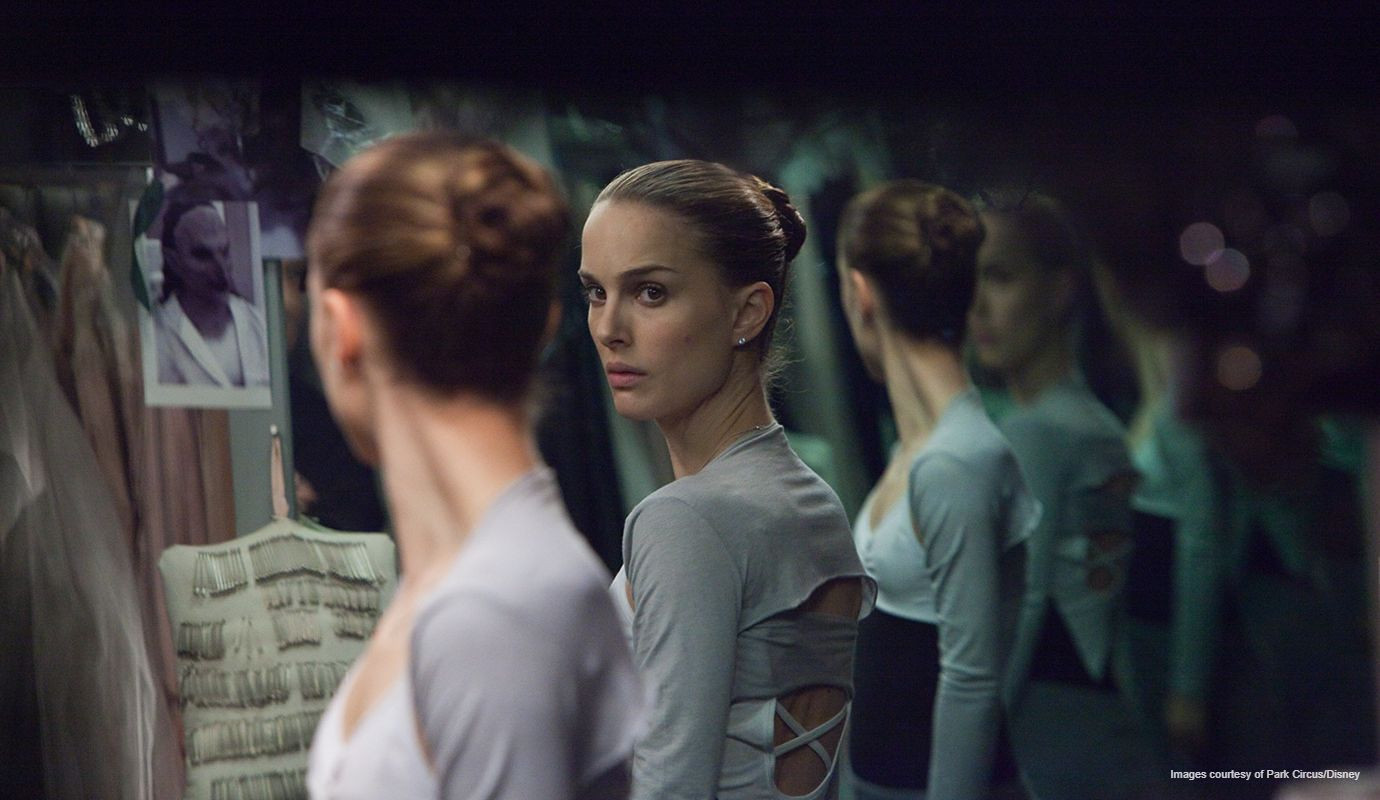
“What I try to be obsessed with now is gratitude for every moment I get to make art.”
Toward the end of the post-screening discussion, the conversation returned to Aronofsky himself as a creator.
He said that while making The Wrestler, he began allowing more unpredictable elements into his films and learned to remain open to whatever was happening in front of him. Once determined to control every detail, he is now more willing to accept uncertainty in the creative process.
So what is still worth obsessing over now?
“What I try to be obsessed with now is gratitude for every moment I get to make art. When fear and frustration show up, try to breathe.”
Then he added, “They usually show up before coffee in the morning.”
Fear and frustration still come, and he is still learning to live with those feelings.
Looking back at Black Swan, Nina desperately tries to become the perfect dancer and only feels, in the final moment, that she has succeeded. Sixteen years later, the director who created Nina has gradually discovered another kind of perfection in the accidents he once tried to control on set.
“There is a kind of perfection in simply being present.”
Someone asked how it feels to watch Black Swan again after so many years. Aronofsky said that revisiting his older work can sometimes be genuinely painful.
But with this film, at least, he remains satisfied with the ending.
“This movie has a pretty good ending.”
Text / Ruru Shih
Images courtesy of the Taipei Golden Horse Film Festival Executive Committee