

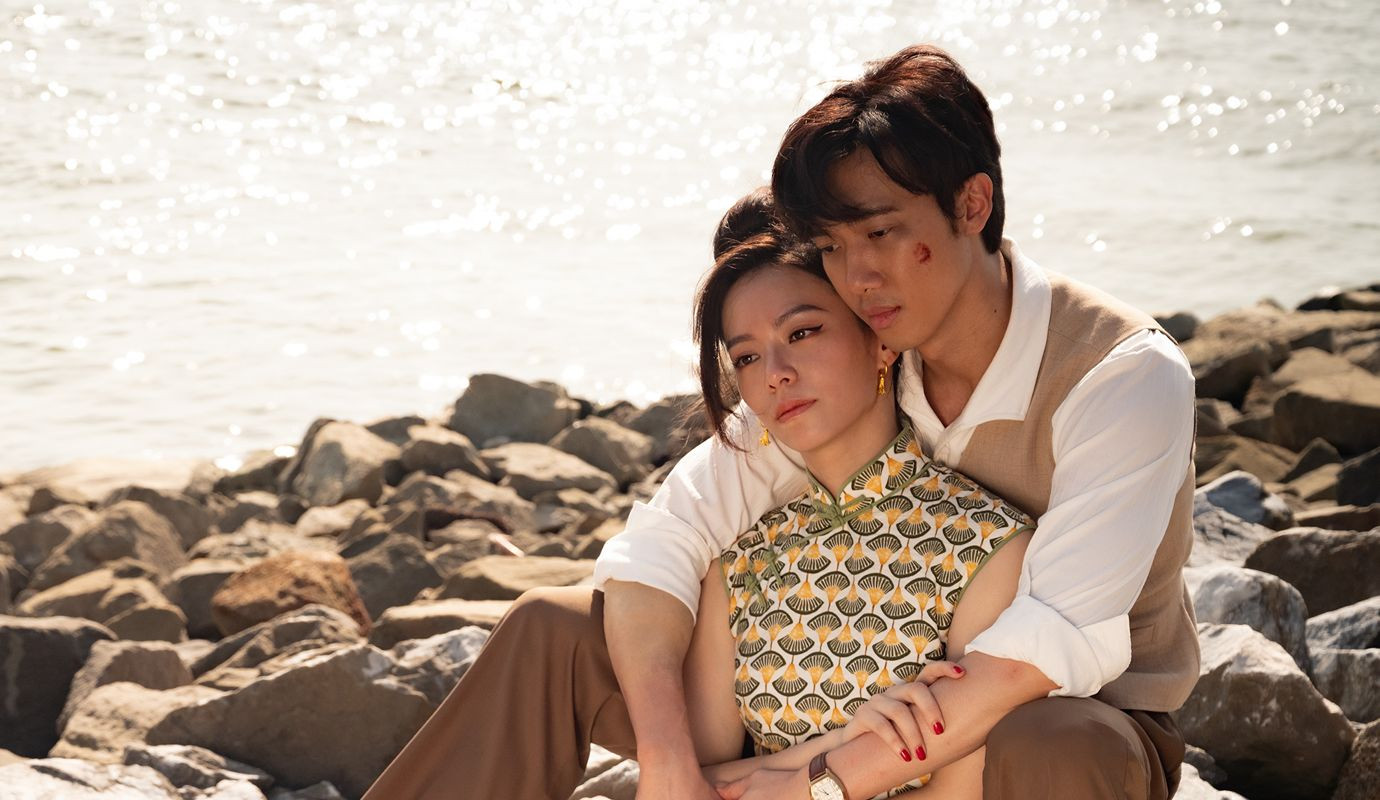
Before the opening screening of the 2026 Taipei Golden Horse Film Festival, Vivian Sung walked into the press interview wearing a qipao. It was the dress she had worn in her final scene in The Age of Goodbyes, and the production team gave it to her after filming wrapped. Laughing, she said that before leaving home she had wondered whether it looked “too much like Halloween,” but decided to wear it anyway. She wanted to step onto the opening-night stage together with Du Li An.
“When I put on this dress, I draw a great deal of courage from Du Li An.”
Sung remembers that when Du Li An wears this qipao, she is finally able to make a decision for herself. The film is adapted from the novel of the same name by Malaysian author Li Zi Shu. In Ipoh in 1969, Du Li An meets her first love, Lin Sang. Their story unfolds during one of the most turbulent years in Malaysian history. During the Golden Horse press interview, Sung discussed how she portrayed the choice Du Li An makes after experiencing loss. In an interview during the Toronto International Film Festival, director Edmund Yeo explained why he set the rupture of this romance on May 13, 1969.
Putting on the Qipao and Practicing Du Li An's Gait and Accent
To become Du Li An, Sung arrived in Kuala Lumpur before filming began. After her costume fitting, she borrowed several qipaos from the production and wore them while walking around her hotel room and practicing her posture. The accent also had to be learned through everyday life. At the Golden Horse press interview, she recalled that during filming, everyone tried to speak with a Malaysian accent even in private conversations. Whenever someone accidentally slipped back into their original accent, another person would immediately correct them. In a separate interview with Malaysia's Malay Mail, she said that she went to markets and shops every day to find people to talk to. At first, it took only a few sentences before they realized she was Taiwanese.
When Du Li An Decides to Reclaim Her Agency
In the film, Stanley Yau plays twin brothers Lin Sang and Mong Sang. Lin Sang is Du Li An's first love, while Mong Sang is the man who enters her life later. The two men share the same face, but stir very different emotions in Du Li An.
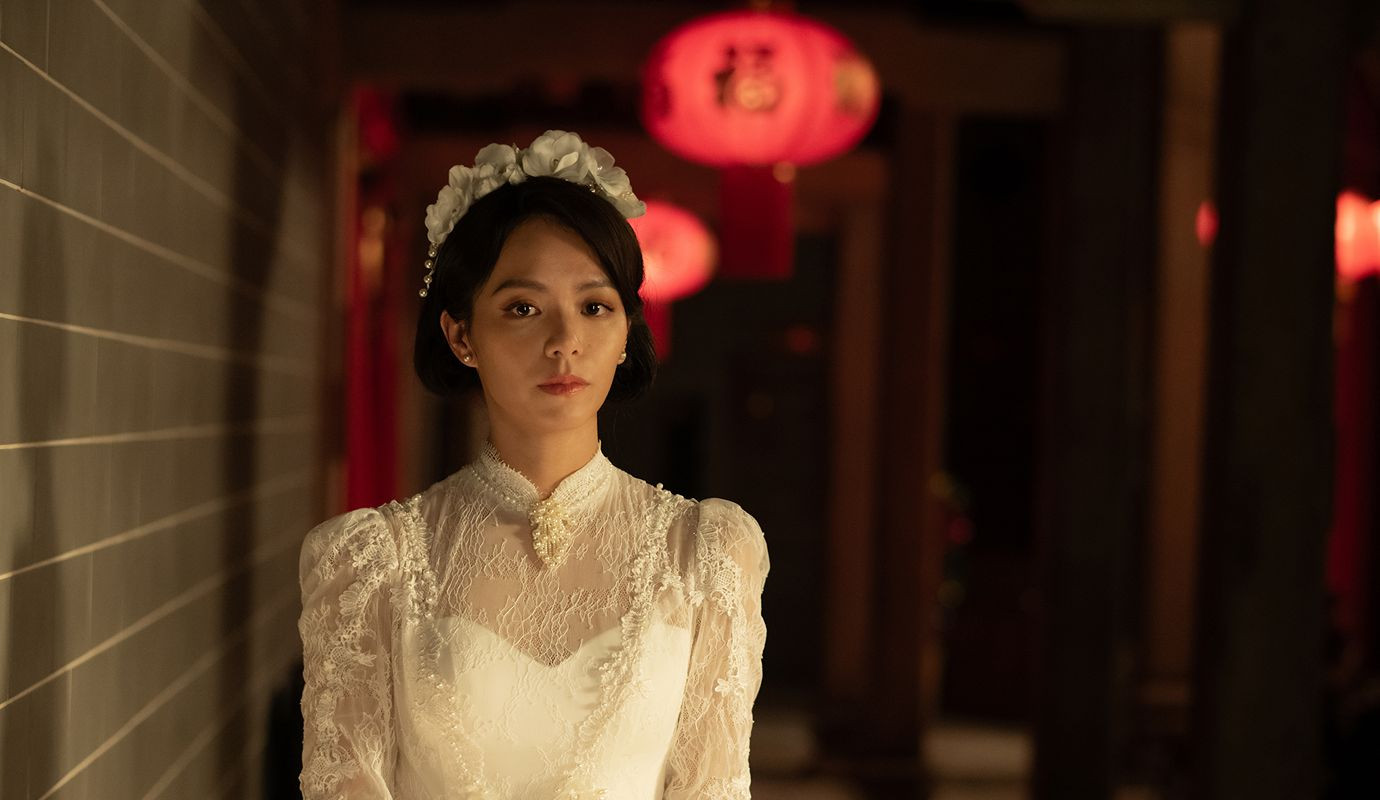
During the Golden Horse press interview, Sung discussed an intimate scene between Du Li An and Mong Sang. The production brought in an intimacy coordinator, and the actors rehearsed beforehand while establishing clear boundaries around where they could touch one another. The director left room in the screenplay for the actors and intimacy coordinator to discuss how the scene should express the relationship between the two characters.
In their discussions, they considered how women were often placed in a more passive position under the expectations surrounding intimacy at the time. Du Li An has desires of her own and wants to decide how the two of them draw close. They therefore designed a movement in which she takes the initiative and rolls on top. The gesture shows the audience that Du Li An also wants control over her own choices within the relationship.
Beginning on Page 513 and Returning to Ipoh in 1969
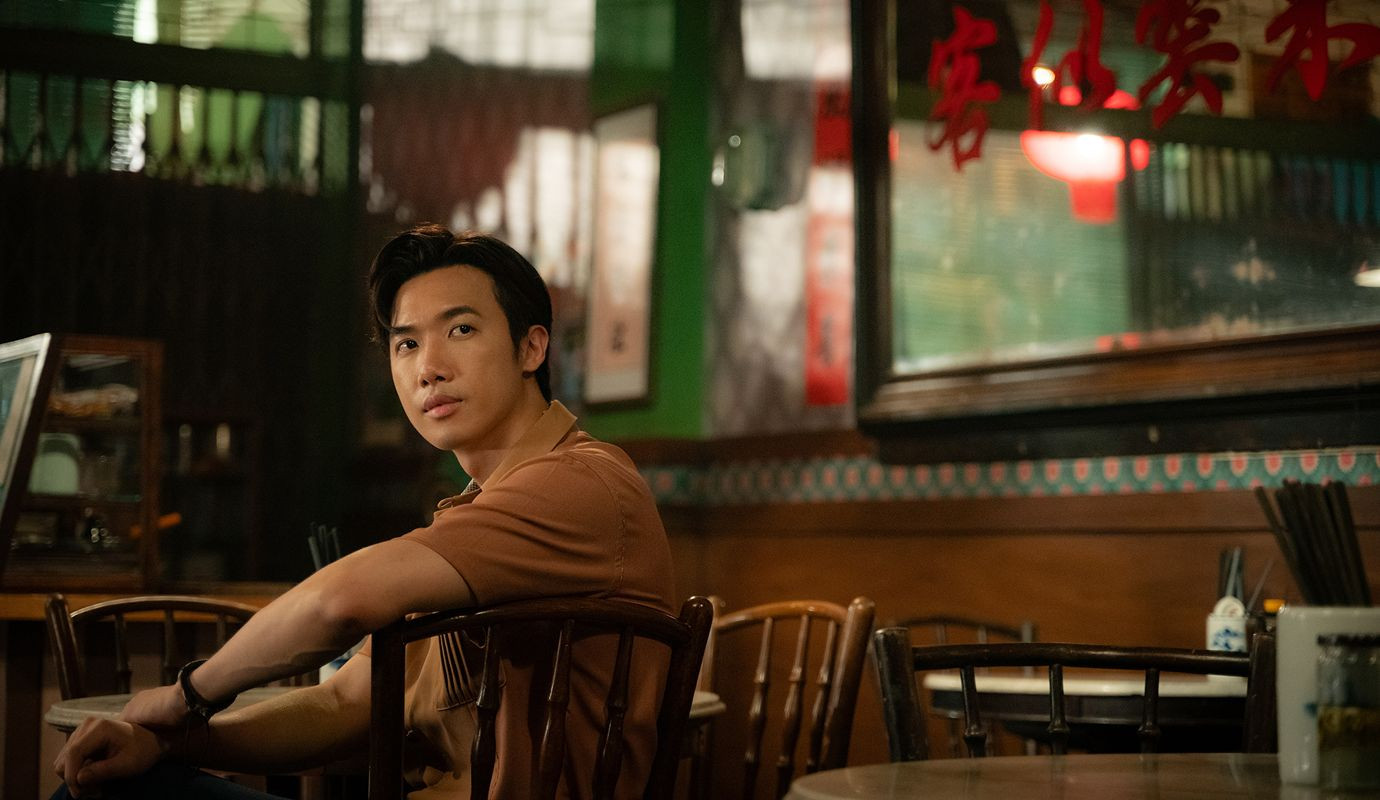
At the press interview, Troy Liu, who plays the young Kei, began with a book. In the 1990s, Kei follows clues left by his mother and finds a novel. As he enters Du Li An's story, he gradually pieces together the truth of his own origins.
For Yeo, one of the greatest challenges of the adaptation was finding a way to turn such a novel into a film. Li Zi Shu's original work has a complex narrative structure, and the team had to make numerous choices and rearrange the story so audiences could follow the characters across different times and places.
“We made many choices and rearranged the story so that audiences could enter the lives of these characters.”
The novel Kei discovers begins on page 513. Speaking with the French film publication EastAsia during the Toronto International Film Festival, Yeo said he had always read the page number as an allusion to May 13. On May 13, 1969, following Malaysia's general election, communal violence involving mainly Malays and Chinese broke out in Kuala Lumpur, and Malaysia subsequently entered a state of emergency. The film sets its story in Ipoh and views that year through Du Li An's life.
In the same interview, Yeo explained one of the changes he made. In the novel, Lin Sang leaves on the day Du Li An marries another man. The film expands the story of their romance and connects Lin Sang's disappearance directly to the May 13 incident. Yeo wanted the turning point in Du Li An's life to take place on the same day as a turning point in Malaysian history. Following Du Li An, the audience gradually senses how that day changed the rest of her life through the absence of someone who never returns and the things those around her can never bring themselves to say.
From Toronto to Golden Horse, Bringing Audiences into Malaysia of That Era
The Age of Goodbyes held its world premiere at the Toronto International Film Festival. Malaysian director Edmund Yeo then brought the film to the Taipei Golden Horse Film Festival for its Asian premiere. He said that Golden Horse has always held a very special place for filmmakers from Malaysia and Singapore.
“For those of us from Malaysia and Singapore, the Golden Horse Film Festival is a shrine—the shrine of Chinese-language cinema.”
He grew up watching films through Golden Horse and later often traveled to Taipei during the festival to attend screenings. Now that his own film had been selected to open the festival, he said it was a tremendous honor for the entire team.
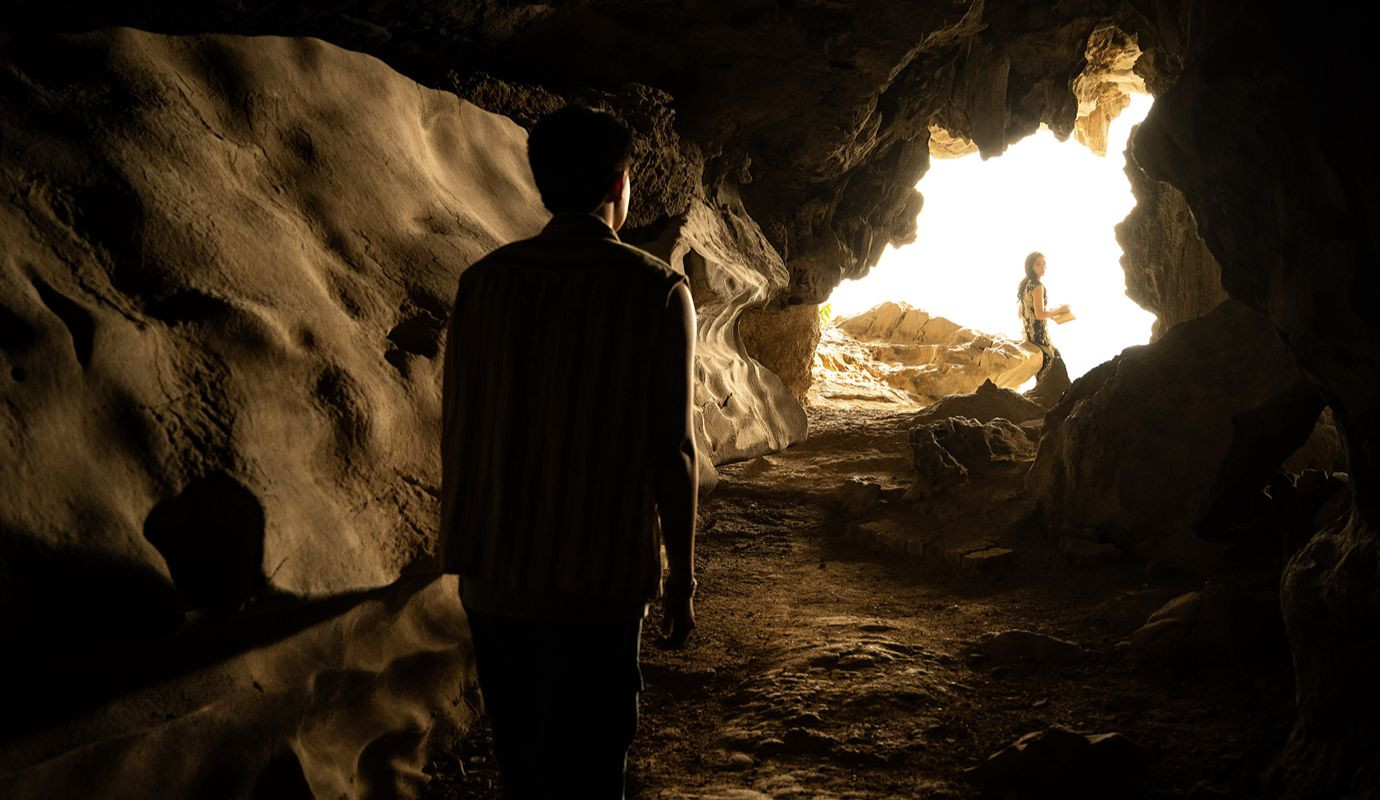
Ipoh, where the film is set, is also Yeo's mother's hometown. At Golden Horse, he said he hoped audiences could experience love, regret, and loss alongside the characters, and see the Malaysia of that era through their stories. Even viewers hearing about May 13 for the first time could begin by getting to know Du Li An and understanding that she once wanted to build a life with someone. More than twenty years later, Kei opens the book and reads in her past some of the things his mother was never able to tell him herself. At that point, viewers may think of the stories in their own families that are always only half told. Who left back then? And how did those who remained go on living?
The Age of Goodbyes opened in Taiwan on November 13.
Text / Ruru Shih
Stills / Reproduced from the Taipei Golden Horse Film Festival official website