

In 1977, on a stormy night when a hospital lost power, Fujiko gave birth to her daughter, Mari, in the darkness, hoping the child would bloom toward the sun. Yet becoming a mother did not lead her life into the light. Childcare and work proved impossible to balance, and her in-laws even tried to forcibly separate mother and daughter. Single again, Fujiko could only take her child from place to place, searching in the conservative Showa era for a path with room for them both.
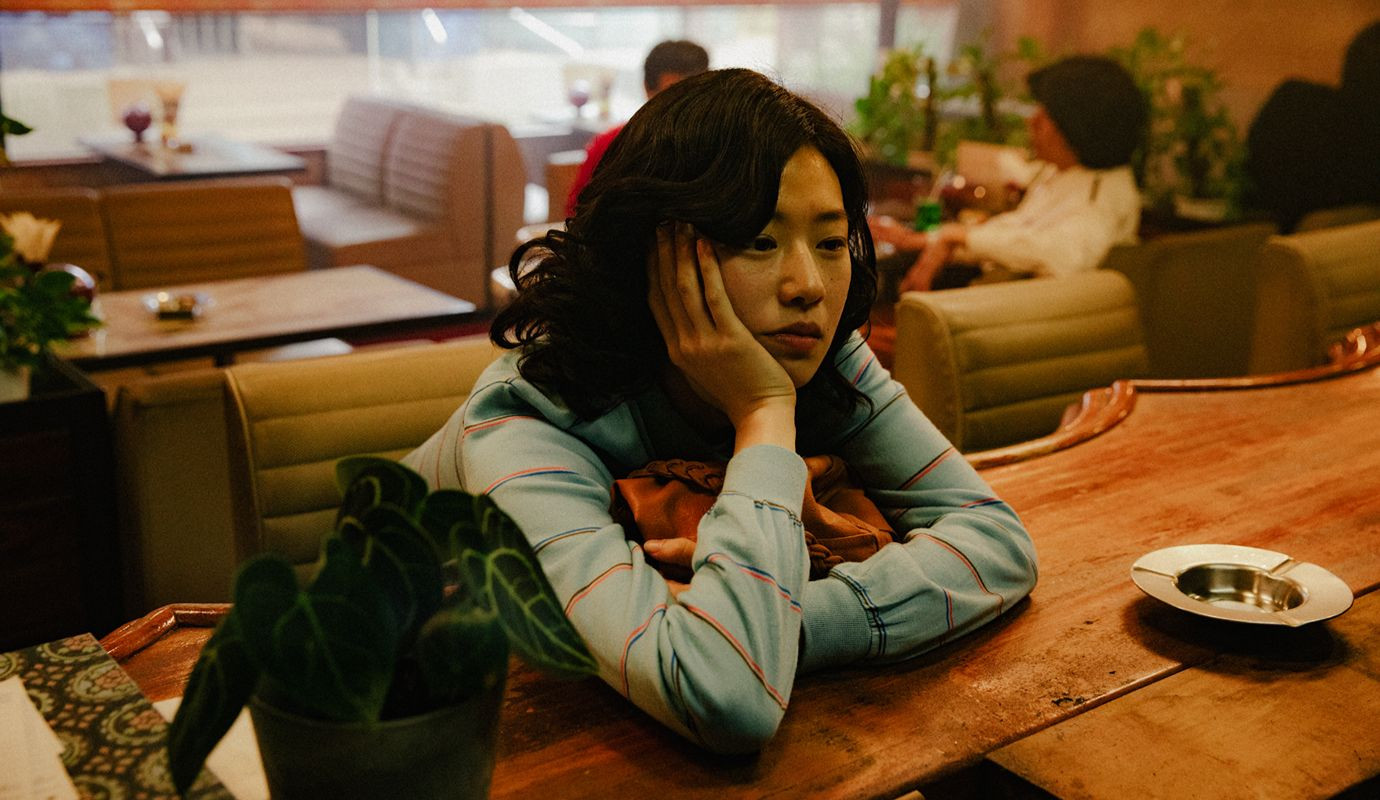
Fujiko is adapted from the life of director Taichi Kimura’s mother. During the post-screening talk, Kimura explained that he had originally filmed stories set against different backgrounds before deciding to return to his own family and take the experiences of his mother and older sister as his creative starting point. For him, the film is not only a look back at his family’s story, but also an attempt to use images to understand women’s lived experiences anew.
The film does not turn this difficult life into a weighty chronicle of female suffering, nor does it deliberately present Fujiko’s experiences as one prolonged ordeal. Instead, it combines comedy, music, and elements from different genres. Drawing on Kimura’s experience directing music videos, it uses a vivid, uninhibited rhythm to bring failure, absurdity, and occasional acts of kindness into collision.
Before sentimentality takes over, leave some room for emotion
This is also what makes Fujiko feel so refreshing. Whenever a scene seems poised to become sentimental, the film applies the brakes at just the right moment. It dispenses with quotable declarations from its characters and leaves the audience room to sort through its emotions.
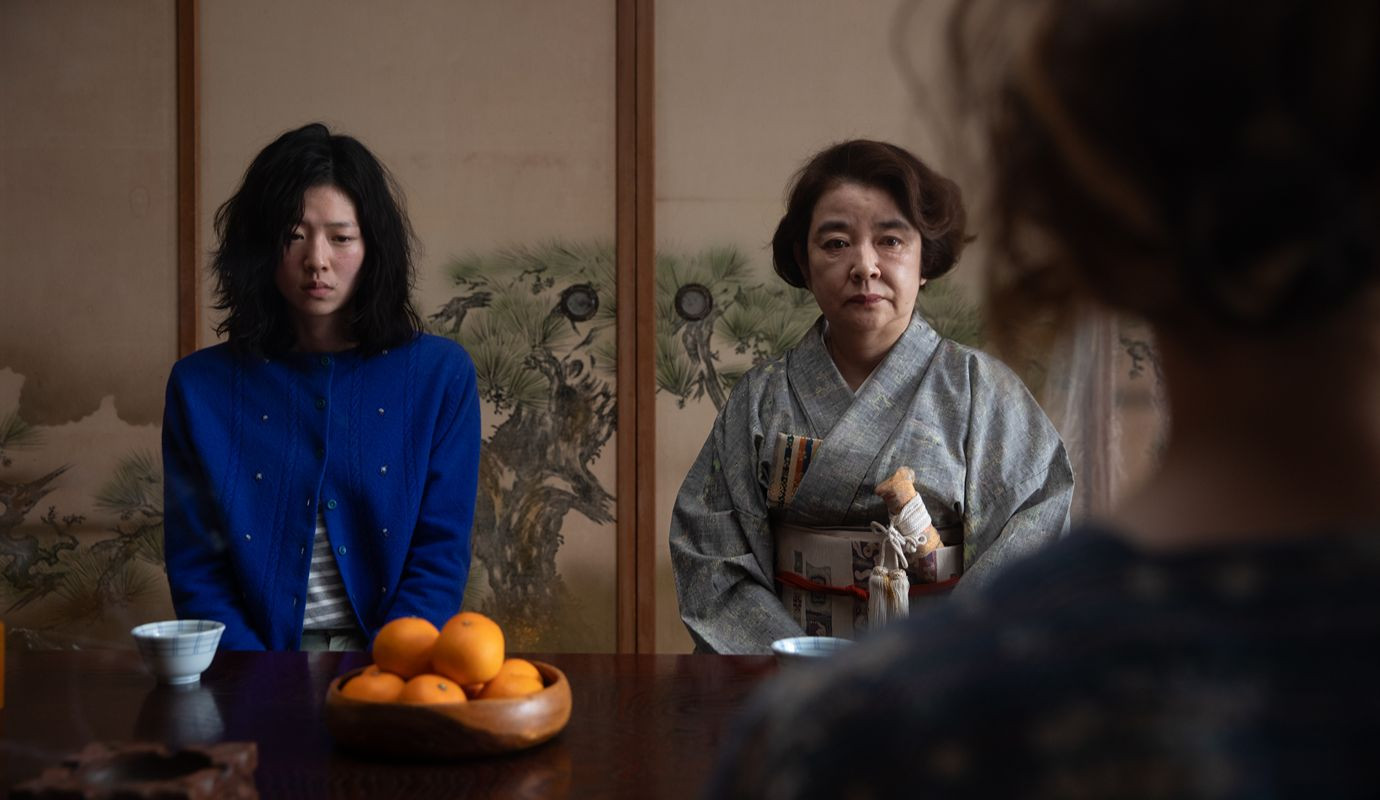
For example, when Fujiko first returns to her family home after the divorce, her mother comforts her with the image of a shrimp shedding its shell. A shrimp casts off its old shell again and again, she says, as though beginning life anew, making it an especially fitting food for Fujiko at that moment. The metaphor initially feels slightly forced, but receives a gentle response at the end of the film. The soba shop owner serves her shrimp tempura once more and lightly brushes past her impending departure, saying only that soba is a flavor people miss and that she should return whenever she craves it. Rather than a rallying cry declaring that “everything will be all right,” this kindness that asks no questions comes closer to the space and support adults can offer one another.
Feeling Fujiko’s circumstances through the weight of a baby
During the post-screening talk, Yuki Katayama, who plays Fujiko, also discussed how she prepared for the role. Unmarried and without childcare experience herself, she did not initially approach the character by asking how she should portray a mother. Instead, she began by actually holding a baby. Hearing the child cry, smelling the child’s scent, and feeling the weight in her arms gradually brought her into Fujiko’s circumstances. This made the character not merely an abstract image of motherhood, but a person grounded in tangible lived experience.
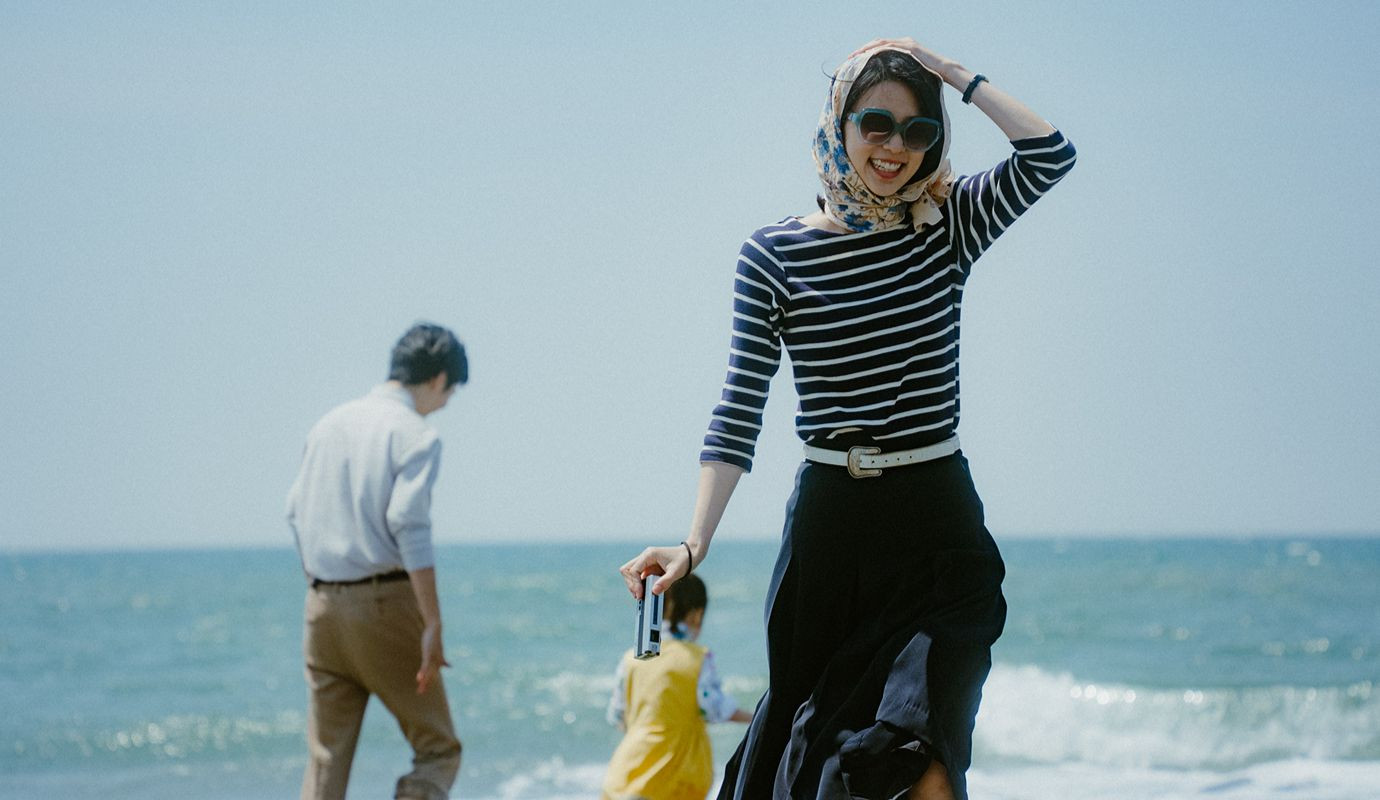
The director and actress said during the post-screening talk that they hoped audiences would see not a woman oppressed by her era who could only wait for fate to decide her life, but someone who still had the courage to act even in difficult circumstances. The story is set in the 1970s, when society was more conservative than it is today and the paths available to women were comparatively limited. Yet the film does not linger on condemning the injustices of the era. Instead, it returns its gaze to how Fujiko, within those constraints, uses an almost reckless courage to create more possibilities for herself and her daughter.
The title Fujiko sounds like a defiant slogan, but what makes the film genuinely interesting is that it does not portray Fujiko as perpetually strong or always right. She gets into trouble, makes choices that are not necessarily wise, and stumbles through life. Life may not offer a completely new beginning after a single shedding of skin, but there is always at least another chance to begin again.
Text:Aying Sung
Film stills: Reproduced from the Taipei Golden Horse Film Festival website