
Logo
  • Cinema
  • Global Selections
  • PartnerNEW
  • Creator
Sign In / Sign Up
  • Cinema
  • Global Selections
  • Curations
  • Readings

More

  • Watchlist
  • PartnerNEW
  • Creator
  • Crowdfunding
  • Past Events

Language & Currency

AndroidiOS
  • Campus Program
  • Online Film Festival Partnerships
  • FAQ
  • Terms of Use
  • Privacy Policy
  • Project Support Terms
  • Contact Us

© 2026 GILOO GROUP LIMITED. ALL RIGHTS RESERVED

Logo

Explore Diverse Films, Experience Inspiring Life Stories, Dive Deep into the World of Giloo

AndroidiOS

Partnerships

Campus ProgramOnline Film Festival Partnerships

Information

FAQTerms of UsePrivacy PolicyProject Support TermsContact Us

© 2026 GILOO GROUP LIMITED. ALL RIGHTS RESERVED

Key visual for 每個女人心中的不平之鳴——安妮華達
Readings2021.09.10

每個女人心中的不平之鳴——安妮華達

坎城影展法國Photography柏林影展Women導演:安妮・華達 Agnès VardaCinema導演

當時的法國電影圈從製片、導演、工作人員,再到影評人、電影史學家,清一色是男性,華達是 1958-1962 年間唯一一位拍攝長片的女導演。成名作《五點到七點的克萊歐》距離她第一部作品隔了七年(期間三部短片有兩部是觀光局委製),正是因為她不被看重,找不到資金,最後不得不靠先生傑克德米引薦當時新浪潮電影的製作人博勒加德。

avatarAuthor王君琦
Follow

王君琦,南加大影藝學院電影電視批判理論研究博士,現為國立東華大學英美語文學系副教授、台灣國際女性影展主席,曾擔任國家電影及視聽中心執行長、女性影像學會理事長,並多次參與國際影展選片委員及評審。長期關注性別與媒體、影像文化與社會實踐、電影史書寫等議題,主編《百變千幻不思議:台語片的混血與轉化》一書。

安妮華達(Agnès Varda)於 1928 年出生於比利時布魯塞爾,母親來自南法靠近地中海、被稱為「獨立之島」的賽特(Sète);父親的家族則是來自歐亞交界之處安納托力亞(Anatolia)的希臘籍難民。二次大戰期間,一家避戰到母親的故鄉賽特,華達於 1954 年初夏為一位病中友人編導出的第一部作品《短角情事》,即是拍攝於此。

當時,26 歲的華達還是全國人民劇院(Théâtre National Populaire)的攝影師,從未拍過電影,甚至沒看過幾部。她曾說自己成為導演是機遇與原始慾望的謎樣結合,電影從此取代了太過安靜的攝影,成為她的創作媒介。

對電影一竅不通、憑直覺拍攝的華達,當時找了亞倫雷奈(Alain Resnais)擔任她第一部作品的剪接,也因此認識了夏布洛、楚浮、侯麥、高達等人,但是因為不是影癡,再加上女性身分,她像個局外人般地身處其中。

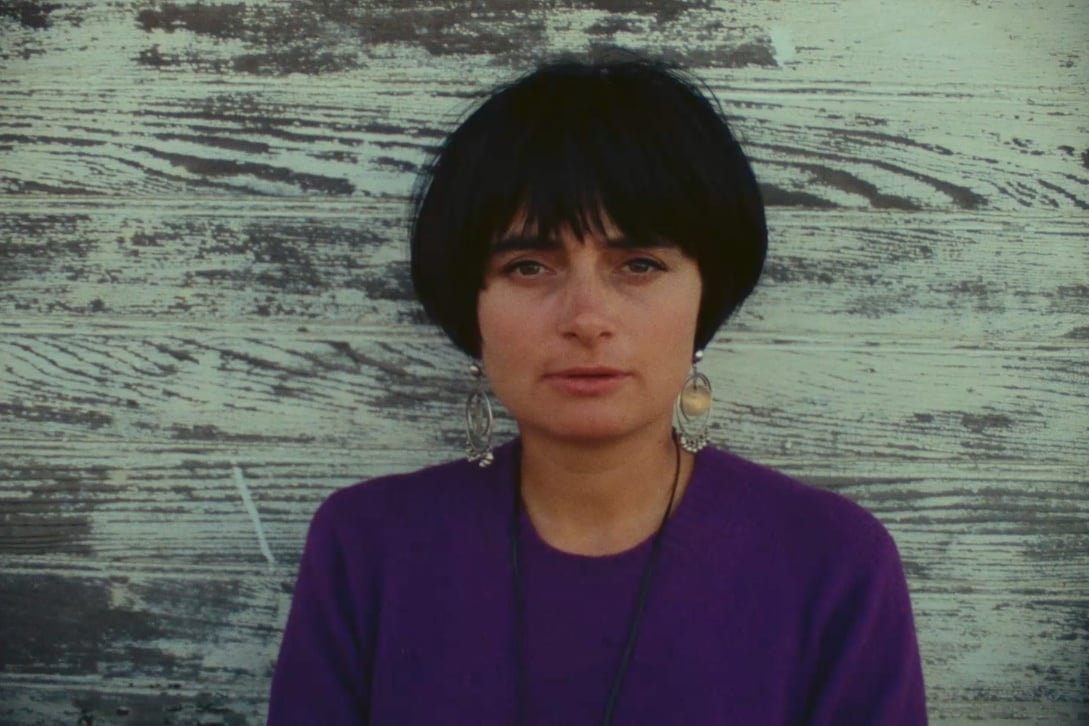
《短角情事》劇照

儘管她第一部自籌拍攝的低成本作品《短角情事》,運用了非職業演員、實景拍攝、具有紀錄片感、雙敘事架構等等法國新浪潮為人稱道的電影現代主義特質,而且她衍伸自「攝影機-自來水筆」(camera-pen)概念所提出的「電影式書寫」(cinécriture),較電影筆記派將導演比喻成作者有更具體的內涵,但後世書寫的法國新浪潮,多將起點落在 1950 年代末期。

安妮華達「法國新浪潮之母/祖母」稱號的由來,僅是基於一種性別區分。1

當時的法國電影圈從製片、導演、工作人員,再到影評人、電影史學家,清一色是男性,華達是 1958-1962 年間唯一一位拍攝長片的女導演。

成名作《五點到七點的克萊歐》距離她第一部作品隔了七年(期間三部短片有兩部是觀光局委製),正是因為她不被看重,找不到資金,最後不得不靠先生傑克德米(Jacques Demy)引薦當時新浪潮電影的製作人博勒加德(George de Beauregard)。但博勒加德只給了以黑白底片在巴黎街頭拍攝的經費,而華達原本的構想是以彩色片拍攝一個發生在巴黎以外的故事。

相對於法國新浪潮其他成員的「業餘」與性別差異,使得「邊緣」與「他者」成為貫穿華達作品的核心命題。

《五點到七點的克萊歐》劇照

在墮胎於法國仍屬違法的 1971 年,343 位女性共同簽署了由西蒙波娃撰寫的「343 蕩婦宣言」(manifeste des 343),透過公開自己墮胎的經歷,倡議墮胎權,其中一位連署者即是華達。

在法國婦女運動高漲的 1970 年代,華達公開宣稱自己是女性主義者,表明《一個唱,一個不唱》是部支持身體自主權的女性主義歌舞片。但她的作品並未獲得當時女性主義電影學者或影評人的認同,包括美國女性主義電影研究先驅者 Claire Johnson 在內,普遍都認為華達的作品輕忽了電影符號對女性迷思和刻板印象的製造。

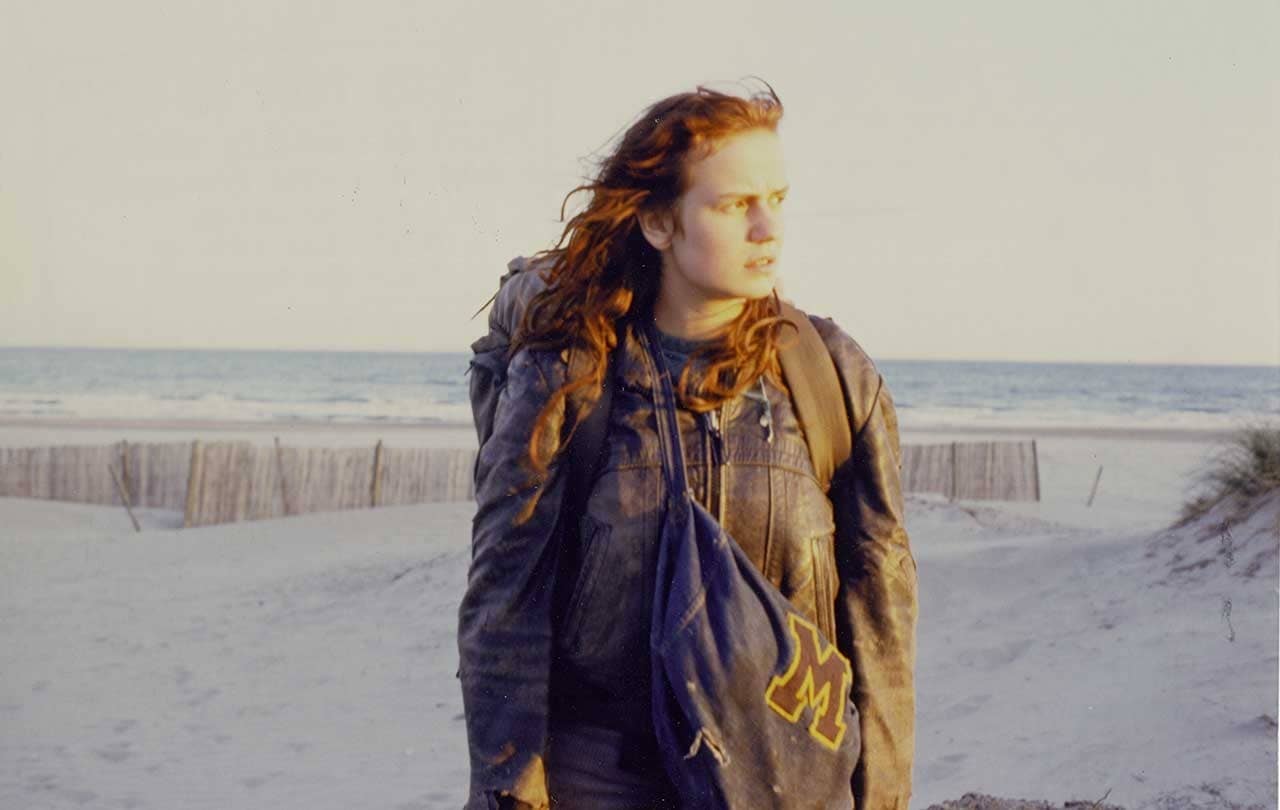
一直到《無法無家》蓬頭垢面的 Mona,直面顛覆了主流再現體制對女性及女性特質的建構,華達做為女性主義作者導演的身分才算確立。

《無法無家》劇照

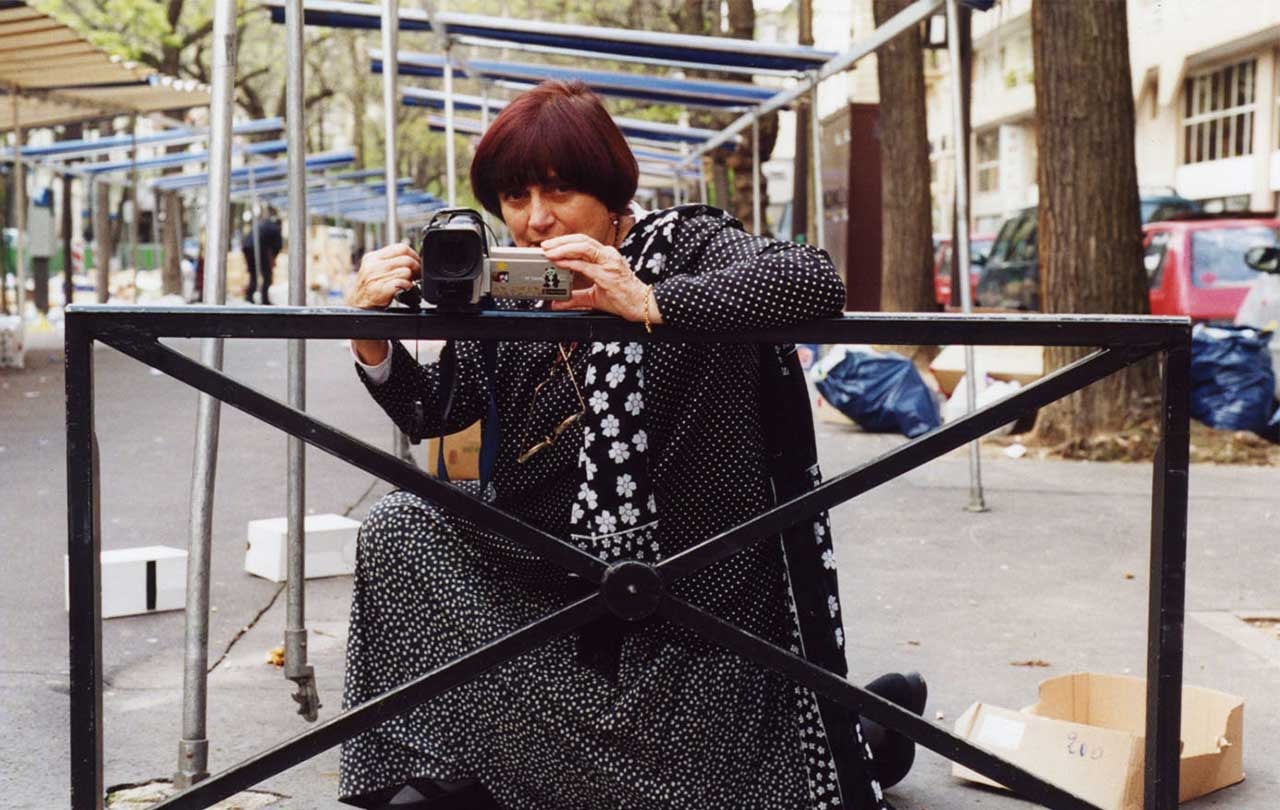
而真正讓她更全面地獲得女性主義電影學者及影評人肯定的作品,則是 2000 年的《艾格妮撿風景》。在這部紀錄片裡,華達運用了呼應女性創作路徑的私電影手法,同時還以「醜蔬果」比喻已屆古稀之年的自己,透過現身在畫面中解構電影性別化觀看的預設。

女性主義電影學者及影評人對於華達作品態度的變遷,透露的是理論典範的轉向,但對華達來說,她是從自己身為他者的角度反思包括歧視在內、但不僅限於歧視的邊緣狀態。

華達從不想創造一個標準樣板,取而代之的是她讓她的女性角色穿梭於「女性」、「女性的」、「女性特質」等定義被撼搖的世界,透過各種矛盾與衝突,映照出每個女人心中不平之鳴。

《艾格妮撿風景》劇照


註1:雖然 1962 年有一位影評 George Sadoul 稱《短角情事》是法國新浪潮的第一部片,但這個論點在當時並未被廣泛接納。


In this issue

4 films

Vagabond
Not available in your region

Vagabond

La Pointe Courte
Not available in your region

La Pointe Courte

Cléo from 5 to 7
Not available in your region

Cléo from 5 to 7

The Gleaners and I
Not available in your region

The Gleaners and I

Popular

University of Laughs Post-Screening Talk with Koki Mitani | “Without Constraints, I Can’t Write a Story”: How a Comedy Writer Builds a Screenplay
Reading

University of Laughs Post-Screening Talk with Koki Mitani | “Without Constraints, I Can’t Write a Story”: How a Comedy Writer Builds a Screenplay

Giloo紀實影音/2026.11.27

In University of Laughs, Tsubaki is a playwright writing comedy in wartime Asakusa. Every day, he brings his revised script to the censor and returns with a new set of requested changes. After so many revisions, even the censor, who initially understands nothing about humor, begins suggesting lines for him. Koki Mitani said that if he had lived in that era, he would probably have done the same as Tsubaki: making every requested change while finding ways to make the play even funnier. When he used to write television series, he faced similar problems every week.

The Guardians’ Unease: How The Seoul Guardians Evokes Gwangju
Reading

The Guardians’ Unease: How The Seoul Guardians Evokes Gwangju

Giloo紀實影音/2026.11.27

At 10:28 p.m. on December 3, 2024, South Korean President Yoon Suk Yeol declared emergency martial law. Shortly after 1 a.m. the next day, all 190 lawmakers present in the National Assembly voted to pass a resolution demanding its termination. The entire episode lasted approximately six hours. The Seoul Guardians (2026), co-directed by MBC journalists KIM Jong-woo, KIM Shin-wan, and CHO Chul-young, compresses those six hours into just over seventy minutes, reconstructing the chaos and confrontation inside and outside the National Assembly. The Seoul Guardians not only records the course of a political crisis, but also bears witness to the anxiety shared by everyone present during those hours——no one knew what the military would do next.

The Scar-faced Cat: Way of Asura Premieres as the Golden Horse Closing Film | Fukushi Sota, Han Ning, Huang Kuan-chih, and Tsukahara Daisuke on Taiwan-Japan Collaboration and the Path of Asura
Reading

The Scar-faced Cat: Way of Asura Premieres as the Golden Horse Closing Film | Fukushi Sota, Han Ning, Huang Kuan-chih, and Tsukahara Daisuke on Taiwan-Japan Collaboration and the Path of Asura

Giloo紀實影音/2026.11.27

Before the 2026 Golden Horse Film Festival drew to a close, its closing film, The Scar-faced Cat: Way of Asura, officially met Taiwanese audiences. Director Wang I-Fan appeared at the closing event and post-screening Q&A with the film’s cast, including Japanese star Fukushi Sota, Han Ning, Huang Kuan-chih, and Tsukahara Daisuke.