
Logo
  • Cinema
  • Global Selections
  • PartnerNEW
  • Creator
Sign In / Sign Up
  • Cinema
  • Global Selections
  • Curations
  • Readings

More

  • Watchlist
  • PartnerNEW
  • Creator
  • Crowdfunding
  • Past Events

Language & Currency

AndroidiOS
  • Campus Program
  • Online Film Festival Partnerships
  • FAQ
  • Terms of Use
  • Privacy Policy
  • Project Support Terms
  • Contact Us

© 2026 GILOO GROUP LIMITED. ALL RIGHTS RESERVED

Logo

Explore Diverse Films, Experience Inspiring Life Stories, Dive Deep into the World of Giloo

AndroidiOS

Partnerships

Campus ProgramOnline Film Festival Partnerships

Information

FAQTerms of UsePrivacy PolicyProject Support TermsContact Us

© 2026 GILOO GROUP LIMITED. ALL RIGHTS RESERVED

Key visual for 邱炯炯系列專題|《痴》:張先癡的「右派」人生
Readings2024.11.04

邱炯炯系列專題|《痴》:張先癡的「右派」人生

PoliticsLife & DeathHistory盧卡諾電影節Society & Humanities國際議題DramaTraditional CultureSocial IssuesLabor & WorkAsian PerspectivesPoliticiansAuthoritarianismCapitalismExperimentalFantasy & Special FormsCinemaEconomyGiloo Exclusive2010sFreedom of Speech中國Personal History傳統藝術導演:邱炯炯

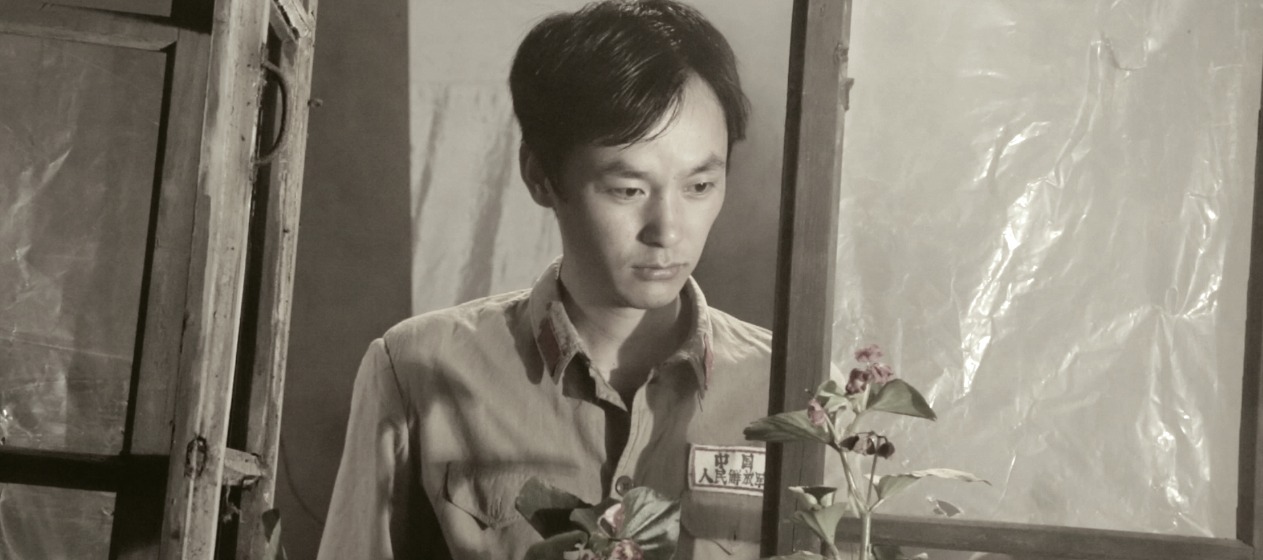
邱炯炯的紀錄片《痴》(2015),以「右派分子」的張先知(筆名張先癡,1934-2019)為主角。張先癡在1957年反右的整風運動中被劃為右派分子遭勞教,而再被判決叛國罪,直到1980年獲得平反。
avatarAuthor李政亮
Follow

文化評論者,政大傳院兼任助理教授。研究興趣為日治時期電影史、華語電影與日本電影。

邱炯炯的紀錄片《痴》(2015),以「右派分子」的張先知(筆名張先癡,1934-2019)為主角。張先癡在1957年反右的整風運動中被劃為右派分子遭勞教,而再被判決叛國罪,直到1980年獲得平反。

什麼是反右運動?

1950年代,兩個相互矛盾的運動在建國之初的中國登場。

1956年毛澤東所提出「百家齊放,百家爭鳴」,鼓勵大家對政治體制乃至文學藝術踴躍發言批評,一時之間,意見踴躍。不過,同屬社會主義國家的匈牙利面臨國內的抗議聲浪,毛澤東憂心政權不穩,風向為之一變。1957年隨即發起整風運動,糾舉國內的右派分子。兩個運動方向截然不同,毛澤東將之解釋為「百家齊放,百家爭鳴」旨在「引蛇出洞」。反右運動中,約有317萬人被劃為右派分子,其間,有為數眾多的冤、錯、假案,直到1980年,共產黨承認錯誤,進行相關人士的平反工作。

對台灣觀眾來說,關於中國的反右運動,最知名的作品應是章詒和的《往事並不如煙》。這本作品2004年出版之後,雖然在中國成為禁書,但在華人圈引發廣泛討論。作者章詒和,是「頭號大右派」章伯鈞之女,書中以父母的友人在反右運動中的處境為主題。

張先癡的傳奇人生 

《往事並不如煙》書中所述的人物,中華人民共和國建國時,都已是各領域的秀異之士,書中所說的生活也多在政治中心北京。與之相較,張先癡的傳奇人生,可說是年輕一代的地方版反右敘事。

《痴》是以張先癡的「格拉古」系列回憶錄(《格拉古軼事》、《格拉古夢魘》、《格拉古實錄》)為基底,「格拉古」暗喻俄國作家索忍尼辛描寫勞改營黑幕的名作《古拉格群島》。張先癡十五歲時受共產黨思想的影響,成為進步學生,進而與國民黨高官父親意見不合,被逐出家門,而後投共。

然而,二十歲開始,張先癡卻面臨共產黨取得政權之後的種種舉措,其背後就是共產黨為了維持政權,開始在人民內部進行區隔。一是血統論,像張先癡這樣父親是國民黨要員的人,不能在重要部門工作;二是組織對個人的影響,張先癡與前妻的婚姻,因兩人出身皆有問題,不被單位長官認可,婚禮當天無長官出席。影響張先癡最關鍵的,自然是從大鳴大放到反右的轉折。他在座談會上提出的意見,成為被劃為右派的把柄,先是送勞動管教,三年後不堪折磨越獄,被捕後,再入看守所,1964年,再被判處叛國投敵罪十八年,直到1980年平反釋放。
邱炯炯的詮釋

導演邱炯炯是如何詮釋張先癡的一生?

以反右為主題的紀錄片,包括胡杰的《尋找林昭的靈魂》(1999)、艾曉明的《夾邊溝祭事》(2017)等,這兩部作品都是典型的紀錄片,從尋找真相的視角出發,重探歷史,然而,在中國也都是禁片。川劇世家出身的邱炯炯,則另闢途徑詮釋大歷史下小人物的處境。邱炯炯的作品裡,有濃濃的川味,或探索家族史、或再現四川文化,呈現出趣味盎然的地方色彩。張先癡雖是湖北出生,但平反之後也定居成都,他的人生也可說是四川歷史的一部分。

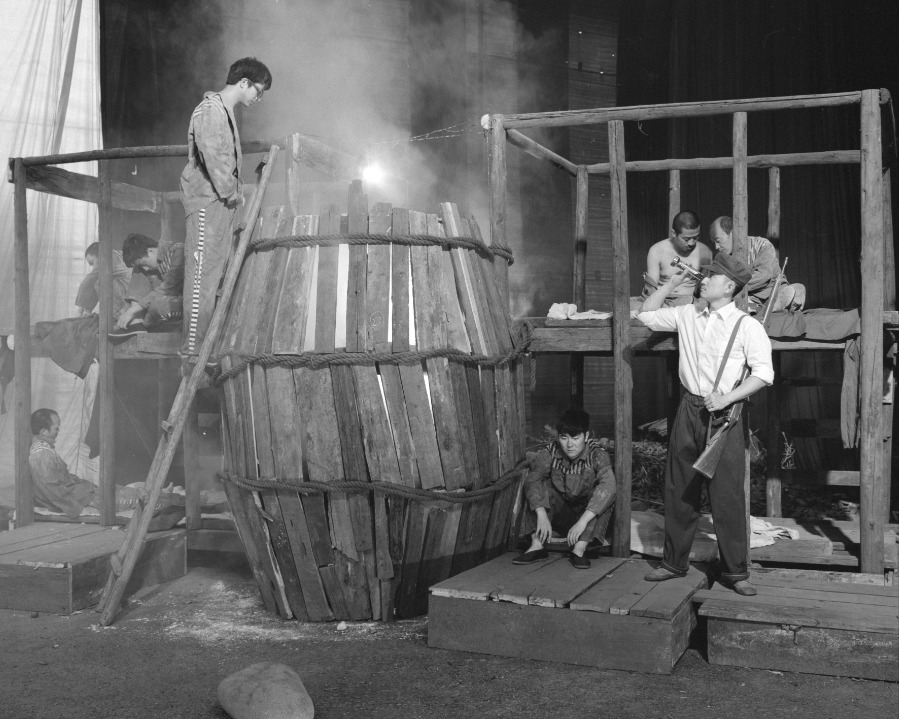
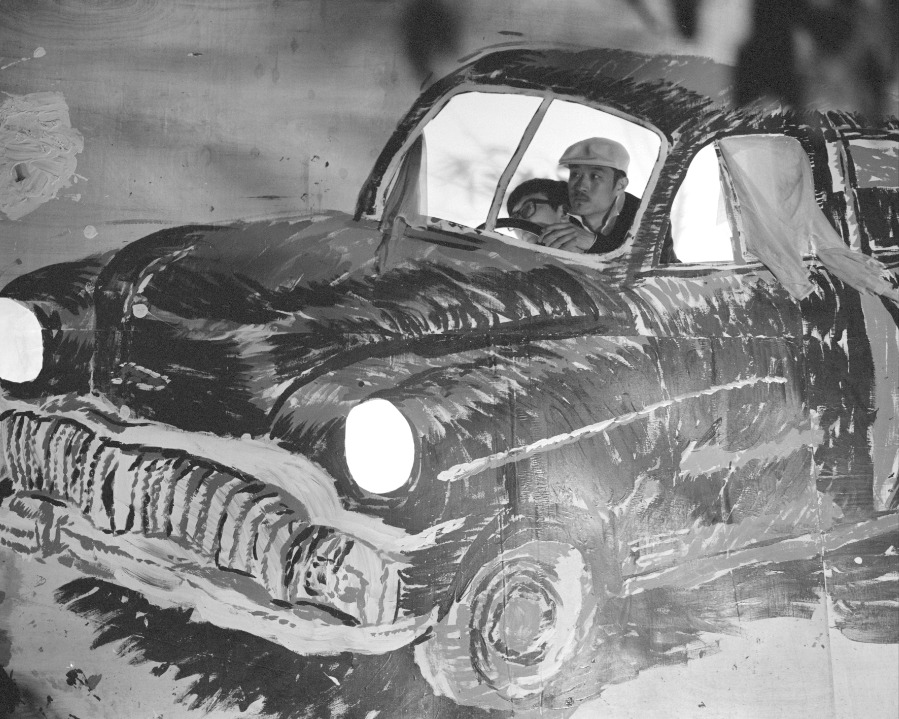
邱炯炯的《痴》有兩大特點:一是邱炯炯對形式的重視。《痴》是在其父親友人廢棄的汽車廠所拍攝,全片塑造了歷史迷霧的氣氛,尤其開頭與結尾都以毛澤東的說話為背景,外加時而穿插的毛澤東畫像,充分展現政治強人的一聲令下,對小人物生命軌跡轉折的直接影響。反右運動開展之後,門孔的眼睛代表人們相互監視、綁上紗布象徵被批鬥右派的座椅、朗讀共產黨政策夾雜著蒼蠅飛舞的畫外音等,可以看到導演以實驗手法展現對歷史的詮釋。
二是《痴》當中的主述者,除了穿插出現的張先癡的聲音之外,就是從導演以「我」代替張先癡敘述。兩個聲音的差異,在結尾部分突顯出來,張先癡本人的說法是「1957年中共將我劃為右派份子是絕對錯誤的,因為那個時候我並不是個右派。中共對我的問題進行改正,也絕對是錯誤的,因為這時我已經是個貨真價實的右派」。至於導演的聲音,則是「他(張先癡之子)基本上是個文盲,不過,這件壞事又像魔法似的變成好事,這個文盲般的孩子不可能從本書(格拉古系列回憶錄)中得知他父母的故事」。

張先癡的聲音,是反右運動親歷者的反諷式說法;導演所說的話,雖是從張先癡的視角出發,但卻像第三人所下的結論。然而,無論是哪個聲音,都帶著魔幻寫實的效果,與作品中的歷史迷霧相互輝映,也讓人更深刻地感受到國家暴力所帶來的創傷!

In this issue

1 film

Mr. Zhang Believes
Not available in your region

Mr. Zhang Believes

Popular

University of Laughs Post-Screening Talk with Koki Mitani | “Without Constraints, I Can’t Write a Story”: How a Comedy Writer Builds a Screenplay
Reading

University of Laughs Post-Screening Talk with Koki Mitani | “Without Constraints, I Can’t Write a Story”: How a Comedy Writer Builds a Screenplay

Giloo紀實影音/2026.11.27

In University of Laughs, Tsubaki is a playwright writing comedy in wartime Asakusa. Every day, he brings his revised script to the censor and returns with a new set of requested changes. After so many revisions, even the censor, who initially understands nothing about humor, begins suggesting lines for him. Koki Mitani said that if he had lived in that era, he would probably have done the same as Tsubaki: making every requested change while finding ways to make the play even funnier. When he used to write television series, he faced similar problems every week.

The Guardians’ Unease: How The Seoul Guardians Evokes Gwangju
Reading

The Guardians’ Unease: How The Seoul Guardians Evokes Gwangju

Giloo紀實影音/2026.11.27

At 10:28 p.m. on December 3, 2024, South Korean President Yoon Suk Yeol declared emergency martial law. Shortly after 1 a.m. the next day, all 190 lawmakers present in the National Assembly voted to pass a resolution demanding its termination. The entire episode lasted approximately six hours. The Seoul Guardians (2026), co-directed by MBC journalists KIM Jong-woo, KIM Shin-wan, and CHO Chul-young, compresses those six hours into just over seventy minutes, reconstructing the chaos and confrontation inside and outside the National Assembly. The Seoul Guardians not only records the course of a political crisis, but also bears witness to the anxiety shared by everyone present during those hours——no one knew what the military would do next.

The Scar-faced Cat: Way of Asura Premieres as the Golden Horse Closing Film | Fukushi Sota, Han Ning, Huang Kuan-chih, and Tsukahara Daisuke on Taiwan-Japan Collaboration and the Path of Asura
Reading

The Scar-faced Cat: Way of Asura Premieres as the Golden Horse Closing Film | Fukushi Sota, Han Ning, Huang Kuan-chih, and Tsukahara Daisuke on Taiwan-Japan Collaboration and the Path of Asura

Giloo紀實影音/2026.11.27

Before the 2026 Golden Horse Film Festival drew to a close, its closing film, The Scar-faced Cat: Way of Asura, officially met Taiwanese audiences. Director Wang I-Fan appeared at the closing event and post-screening Q&A with the film’s cast, including Japanese star Fukushi Sota, Han Ning, Huang Kuan-chih, and Tsukahara Daisuke.