Logo
  • Cinema
  • Global Selections
  • PartnerNEW
  • Creator
Sign In / Sign Up
  • Cinema
  • Global Selections
  • Curations
  • Readings

More

  • Watchlist
  • PartnerNEW
  • Creator
  • Crowdfunding
  • Past Events

Language & Currency

AndroidiOS
  • Campus Program
  • Online Film Festival Partnerships
  • FAQ
  • Terms of Use
  • Privacy Policy
  • Project Support Terms
  • Contact Us

© 2026 GILOO GROUP LIMITED. ALL RIGHTS RESERVED

Logo

Explore Diverse Films, Experience Inspiring Life Stories, Dive Deep into the World of Giloo

AndroidiOS

Partnerships

Campus ProgramOnline Film Festival Partnerships

Information

FAQTerms of UsePrivacy PolicyProject Support TermsContact Us

© 2026 GILOO GROUP LIMITED. ALL RIGHTS RESERVED

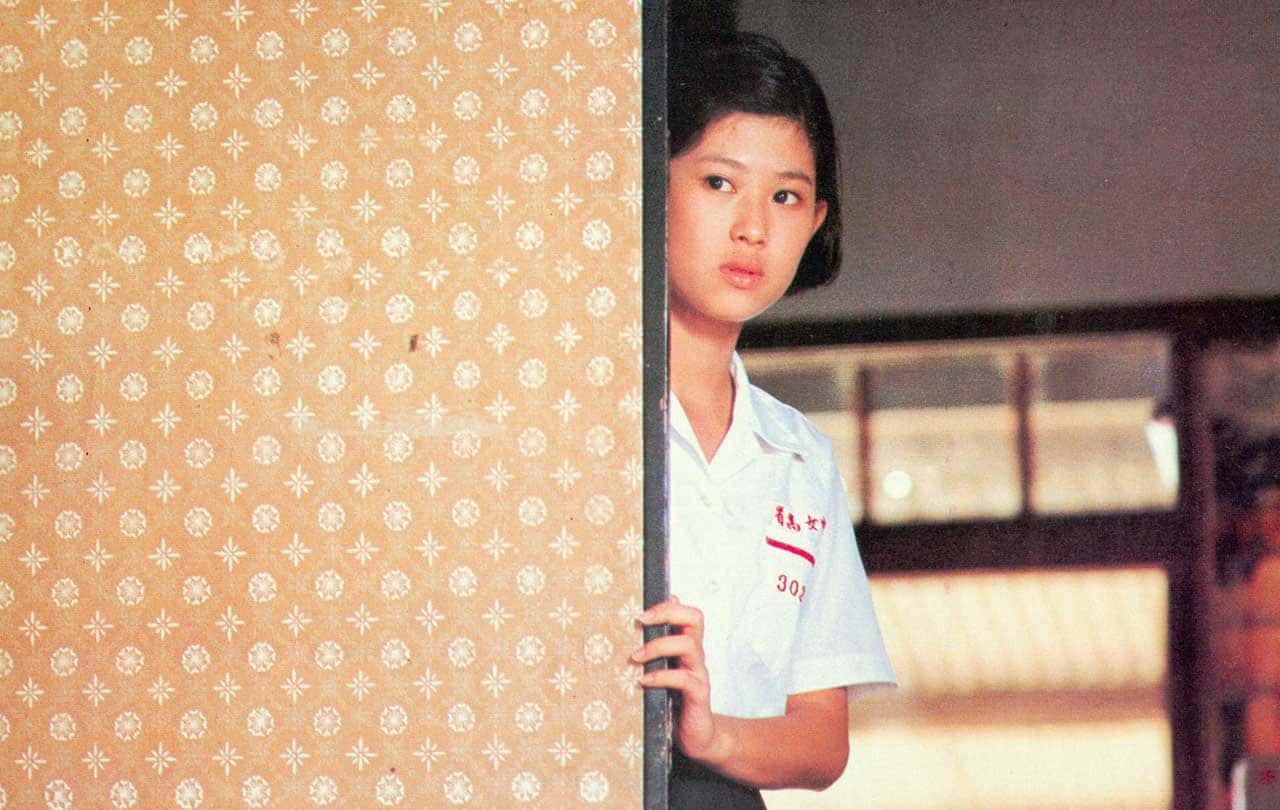
Key visual for 侯孝賢的《童年往事》,每個人的生老病死
Readings2021.07.16

侯孝賢的《童年往事》,每個人的生老病死

FamilyLife & Death1980s台北電影節釜山國際影展金馬獎導演:侯孝賢鹿特丹國際影展Youth & Children台灣Personal HistoryLove & Relationships柏林影展雪菲爾國際紀錄片影展

《童年往事》刻畫了阿孝一家三代的輾轉流離與興衰起落,點出同一塊土地由不同的世代與族群所銘刻的不同意涵,除了反映台灣特殊的歷史文化經驗,更以普世性的角度,呈現每個人必然經歷生老病死與成住壞空的命運。

avatarAuthor謝世宗
Follow

美國耶魯大學東亞所博士,現任國立清華大學臺文所教授,著有《侯孝賢的凝視:抒情傳統、文本互涉與文化政治》(2020)。

《童年往事》是侯孝賢半自傳式電影,藉著男主角阿孝之口,訴說自己祖孫一家三代,在戰後從中國移民至台灣的故事。

祖母老想著回中國老家,以為跨過一條橋就到了,不只顯示她的空間認知錯亂,也暗示她無法接受離散的事實。來自外省的父母親,並未想在台灣終老,但在兩岸隔絕的情境下,台灣成了兩老的葬身之地。

阿孝自己雖是外省小孩,但從小在台灣長大,在家與家人說客語,在校與老師說國語,在外與朋友說台語,已經是個道地的台灣人。阿孝在電影最後,提及曾經與祖母一同回中國老家,結果在路上摘了一堆芭樂後回到台灣家中的記憶,正表明回鄉已經不再可能,而台灣土生土長的芭樂,已經成為阿孝在台灣落地生根的隱喻。


一家三代的春秋代謝

《童年往事》刻畫了阿孝一家三代的輾轉流離與興衰起落,點出同一塊土地由不同的世代與族群所銘刻的不同意涵,除了反映台灣特殊的歷史文化經驗,更以普世性的角度,呈現每個人必然經歷生老病死與成住壞空的命運。

電影一開頭,便以侯孝賢的聲音述說自己一家如何從中國來到台灣,一邊以鏡頭呈現空無一人的房間內部,再聚焦一只空無一人的藤椅,接著出現坐在藤椅上寫字的父親、在屋子裡玩耍追逐的小孩、在院子中削蘿蔔的姐姐與在廚房裡做飯的母親。

當角色一一在這些空間出現的同時,觀眾已經意識到這些角色不久將一一從這些空間消失;或者因為出外求學,或者因為嫁作人婦,但最後的消失狀態是不可避免的死亡。如父親生前常坐著看書的藤椅,在他死後仍然留在屋內,對照出已非的人事,並創造出滄海桑田的效果。

電影的開展主要環繞著三個死亡事件:父親、母親與祖母,如同英文片名「A Time to Live, A Time to Die」明確指出電影的主題即是春秋代謝、生死交替。老一輩的逐漸生病、死亡,而年輕一輩成長、茁壯。


生與死的相互凝視

其中父親過世一幕,全家人聚集在床榻前守靈。阿孝先被姐姐叫去浴室盥洗,後因其他人的哭喊而突然回頭,直視床榻上的父親遺體。侯孝賢刻意用阿孝的觀點,以中遠景拍攝整個場面,一方面因為距離而有去戲劇化的效果,另一方面以深度空間創造出多重凝視:此時阿孝不但凝視著死亡的父親與痛哭失聲的母親,也凝視著其他無聲凝視著父母的兄弟姐妹。

下一個鏡頭則跳到已是青少年的阿孝,在明亮的戶外,夥同著友伴啃食甘蔗。時間的省略造成「跳切」(jump cut)的效果,視覺化了阿孝宛如一夕之間長大成人的錯覺,而這正是成長小說的主題:凝視第一個親人的死亡,往往是孩童成長的關鍵。

電影另一幕裡與生病的母親面對面的鏡頭,先以正反拍的手法,呈現阿孝在書桌旁看著母親,而牆壁上掛著父親的遺照。接著攝影機切九十度,呈現母親一邊低頭寫信,一邊與阿孝對話的情境。其中的正拍鏡頭刻意在父親的遺照上疊映了母親的倒影,暗示母親不久將隨父親到另一個世界。

而阿孝則不斷成長(開始夢遺)、男子氣概不斷增強(打架、當老大、鍛煉身體)、對異性發生興趣(甚至去嫖妓以得到性經驗)。當阿孝面對得了絕症、不久人世的母親,成長與衰老的對比尖銳地凸顯出來;兩人的對話十分簡單,但呈現生與死的相互凝視,也注定新的一代終將取代舊的一代。


不停邁向死亡終站

至於最疼阿孝的祖母,在電影前半部其實頗有行動力,多次拿著包袱,準備走回中國的老家,但在後半部則因為生病只能靜臥在榻榻米上。有一組鏡頭先拍攝窗外雨下不停,接著移到桌上的紙錢被風吹動,再切到躺在地上的祖母。

祖母之前的「動」與之後的「靜」是一個層次的對比,而窗外持續不停的落雨正是無止息的時間之流,對照出生病的祖母的靜,終於被不斷成長的孫子遺忘。當阿孝最後發現她一動也不動時,祖母早已死去多時。祖母生前不斷製作銀錢,要帶到死後的世界使用,已經預期了自己的死亡,明確告訴身為旁觀者的觀眾:生命是一種時間性的存在,不停地邁向死亡的終站。

一言以蔽之,侯孝賢所謂的「童年往事」,其實也就是每個人必然經歷的「生老病死」。


In this issue

1 film

The Time to Live and the Time to Die
Not available in your region

The Time to Live and the Time to Die

Popular

University of Laughs Post-Screening Talk with Koki Mitani | “Without Constraints, I Can’t Write a Story”: How a Comedy Writer Builds a Screenplay
Reading

University of Laughs Post-Screening Talk with Koki Mitani | “Without Constraints, I Can’t Write a Story”: How a Comedy Writer Builds a Screenplay

Giloo紀實影音/2026.11.27

In University of Laughs, Tsubaki is a playwright writing comedy in wartime Asakusa. Every day, he brings his revised script to the censor and returns with a new set of requested changes. After so many revisions, even the censor, who initially understands nothing about humor, begins suggesting lines for him. Koki Mitani said that if he had lived in that era, he would probably have done the same as Tsubaki: making every requested change while finding ways to make the play even funnier. When he used to write television series, he faced similar problems every week.

The Guardians’ Unease: How The Seoul Guardians Evokes Gwangju
Reading

The Guardians’ Unease: How The Seoul Guardians Evokes Gwangju

Giloo紀實影音/2026.11.27

At 10:28 p.m. on December 3, 2024, South Korean President Yoon Suk Yeol declared emergency martial law. Shortly after 1 a.m. the next day, all 190 lawmakers present in the National Assembly voted to pass a resolution demanding its termination. The entire episode lasted approximately six hours. The Seoul Guardians (2026), co-directed by MBC journalists KIM Jong-woo, KIM Shin-wan, and CHO Chul-young, compresses those six hours into just over seventy minutes, reconstructing the chaos and confrontation inside and outside the National Assembly. The Seoul Guardians not only records the course of a political crisis, but also bears witness to the anxiety shared by everyone present during those hours——no one knew what the military would do next.

The Scar-faced Cat: Way of Asura Premieres as the Golden Horse Closing Film | Fukushi Sota, Han Ning, Huang Kuan-chih, and Tsukahara Daisuke on Taiwan-Japan Collaboration and the Path of Asura
Reading

The Scar-faced Cat: Way of Asura Premieres as the Golden Horse Closing Film | Fukushi Sota, Han Ning, Huang Kuan-chih, and Tsukahara Daisuke on Taiwan-Japan Collaboration and the Path of Asura

Giloo紀實影音/2026.11.27

Before the 2026 Golden Horse Film Festival drew to a close, its closing film, The Scar-faced Cat: Way of Asura, officially met Taiwanese audiences. Director Wang I-Fan appeared at the closing event and post-screening Q&A with the film’s cast, including Japanese star Fukushi Sota, Han Ning, Huang Kuan-chih, and Tsukahara Daisuke.