
Logo
  • Cinema
  • Global Selections
  • PartnerNEW
  • Creator
Sign In / Sign Up
  • Cinema
  • Global Selections
  • Curations
  • Readings

More

  • Watchlist
  • PartnerNEW
  • Creator
  • Crowdfunding
  • Past Events

Language & Currency

AndroidiOS
  • Campus Program
  • Online Film Festival Partnerships
  • FAQ
  • Terms of Use
  • Privacy Policy
  • Project Support Terms
  • Contact Us

© 2026 GILOO GROUP LIMITED. ALL RIGHTS RESERVED

Logo

Explore Diverse Films, Experience Inspiring Life Stories, Dive Deep into the World of Giloo

AndroidiOS

Partnerships

Campus ProgramOnline Film Festival Partnerships

Information

FAQTerms of UsePrivacy PolicyProject Support TermsContact Us

© 2026 GILOO GROUP LIMITED. ALL RIGHTS RESERVED

Key visual for 邱炯炯系列專題|唯有死是真的:《姑奶奶》的疑真策略
Readings2024.11.28

邱炯炯系列專題|唯有死是真的:《姑奶奶》的疑真策略

CinemaExperimentalLife & DeathLove & RelationshipsDocumentaryTheaterHistoryFestivals & AwardsTraditional Culture2010sMusicSocial IssuesArts & CultureLGBTQ+導演:邱炯炯Society & HumanitiesSubculture中國Asian PerspectivesBodyGiloo Exclusive

不少以變裝為主題的紀錄片,其敘事會在變裝者的兩個身分之間擺盪。這兩個身分固然分為台上的激情表演與台下的日常生活。但變裝理論告訴我們, 這兩者是互相影響的,所謂的性別流動並非指台上一個人,台下又是另一個人,切換身分猶如穿脫衣服。姑且以衣服為例,反而比較像是穿上了某件衣服,它就會形塑你的身分,而你越常穿它,就越無法脫下它;又或者,即使你脫下了,它也持續在你身上發揮作用。
avatarAuthor陳穎 (Rain)
Follow

喜從性別角度撰寫影評,曾任台灣國際酷兒影展選片人、台灣國際女性影展客座選片人,譯有多部性別研究專書。

不少以變裝為主題的紀錄片,其敘事會在變裝者的兩個身分之間擺盪。這兩個身分固然分為台上的激情表演與台下的日常生活。但變裝理論告訴我們[1], 這兩者是互相影響的,所謂的性別流動並非指台上一個人,台下又是另一個人,切換身分猶如穿脫衣服。姑且以衣服為例,反而比較像是穿上了某件衣服,它就會形塑你的身分,而你越常穿它,就越無法脫下它;又或者,即使你脫下了,它也持續在你身上發揮作用。

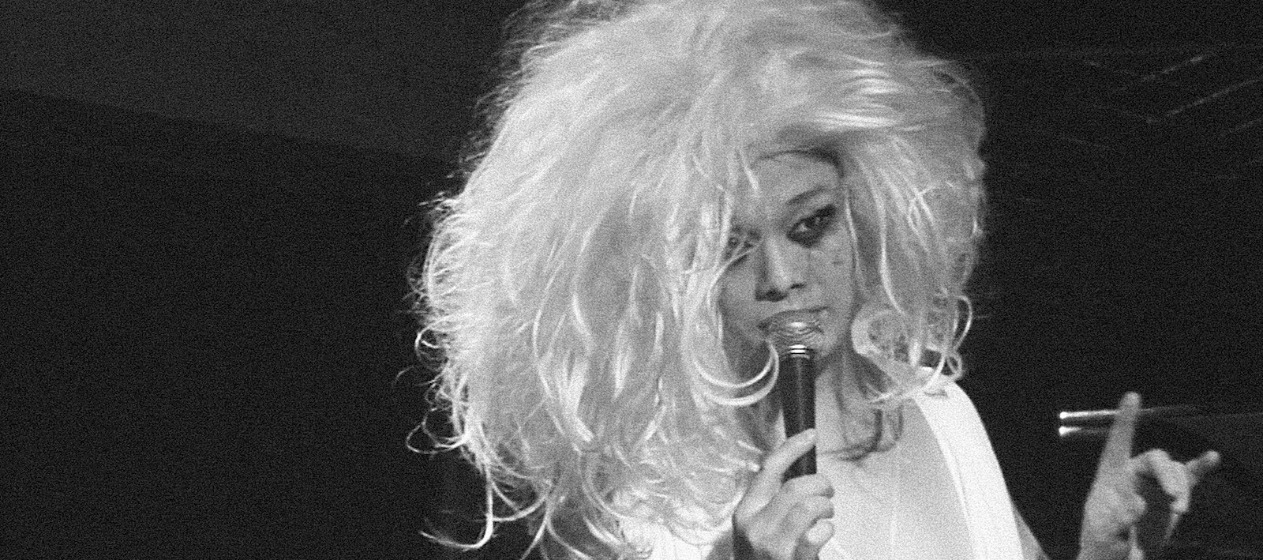
這樣的衣服你還穿嗎?但事實上,我們都無法不穿衣服,就像《姑奶奶》(2010)以字卡呈現其主角樊其輝用「碧浪達夫人」── 變裝後的他 ── 的身分對觀眾說:「在座的會說我是個嚴重的同性戀患者,其實在我眼中,你們不過是些異性戀患者。其實,大家都是病人。」無法不穿衣服好比染病,不是你說不穿就不穿,說病好就病好。假如同性戀和異性戀分別是兩件衣服,那除非我們不穿,不然始終患病,不但身體受衣服形塑,身分也隨之在某程度上被定型

消失的關鍵字

我特別想從衣服的角度切入《姑奶奶》,因為它看起來就不是這部紀錄片的重點,卻與樊其輝較為人所知的身分之一息息相關。如今「肉搜」他,最先跳出來的關鍵詞是「服裝設計師」,再來是「自殺」。這兩個關鍵詞在片中不是失蹤,就是要觀眾猜謎似的自行從樊其輝那如幻似真、曲折而反覆的獨白中自行尋找和拼湊線索。例如,戲中並未指明樊其輝是位服裝設計師,或呈現他從事服裝設計的一面,卻以透過一再打在字卡上的「健談的裁縫」來影射,談的卻是生死愛慾,無關衣服。至於他自殺則是《姑奶奶》於二〇一〇年稍早完成並上映後不久的事[2], 如此,該片錯過了追蹤樊其輝的人生直到最後的機會,兩者之間就差那麼一點時間,難免令人遺憾 ── 等等,這到底是誰的遺憾?遺憾的原因和內容又是什麼?
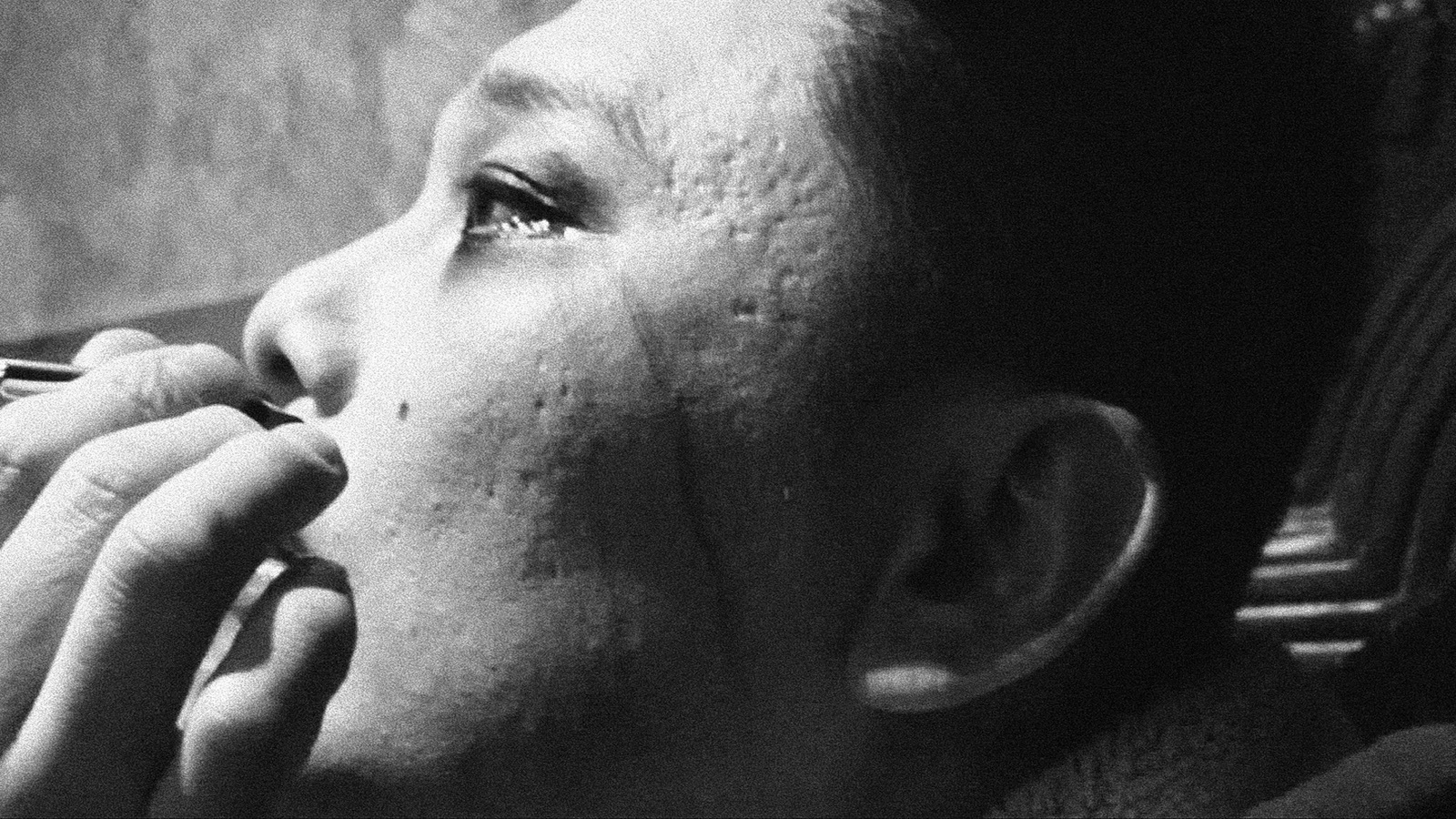
十四年後看《姑奶奶》,我邊看邊忍不住把這份遺憾想了又想。翻查資料發現,邱炯炯是二〇二二年台北電影節的焦點影人之一,他在映後講座上提到,與樊其輝約好十年後再拍「末篇姑奶奶」,對方卻「因抑鬱症輕生過世,留下無限遺憾。」[3] 邱炯炯口中的「遺憾」可分拆成兩個層面:一、樊其輝離世固然是個遺憾;二、無法以另一部作品再續樊其輝的故事,並把故事說到最後則是另一個遺憾。第一個遺憾具有普世性,無論我們是否認識樊其輝,大抵都會認同這是個遺憾;第二個遺憾則出自導演或創作者的角度,此角度以樊其輝為源頭,順著其人生發展出敘事,遺憾因而在於敘事的無疾而終。

不可靠的敘事者

然而,十四年的「時差」與戲外的發展 ── 死亡 ── 為如何觀看《姑奶奶》和定義遺憾提供了另一個角度。姑且稱此角度為「後設」,它不受「欲知後事如何」的慾望驅動,但又有別於單純回顧。後設角度不見得就把《姑奶奶》化為紀念樊其輝的作品,畢竟紀念之作需要把紀念對象的生平從頭到底如實道來,好比在靈堂上宣讀生平傳略,偏偏本片主角卻是一位不可靠的敘事者。不可靠的敘事者原是文學創作策略,亦可應用在其他創作形式,其目的多為揭露敘事的複雜性或置疑所謂的「真相」。樊其輝不是在跟我們談文學,但他可被視為文本的主角,或他本身就是文本。而從這個角度看,觀看《姑奶奶》並不會更接近所謂的「真相」,它雖然是紀錄片,卻打破紀錄片比劇情片更「真實」或紀錄片的目的必然是「求真」的迷思。

脫離了求真的框架,不循序漸進地找線索、找到後預設背後必有「真相」待挖,樊其輝那看似次序錯亂,甚至自相矛盾的有一句、沒一句,反而成了文學。邱炯炯的執導為這個文本提供了結構,卻不影響其「疑真」效果 ── 變裝皇后誇張的衣飾與化妝下,不見得就是其真身;把事件發生的順序釐清,也不見得就能區分出虛與實、性與愛⋯⋯。
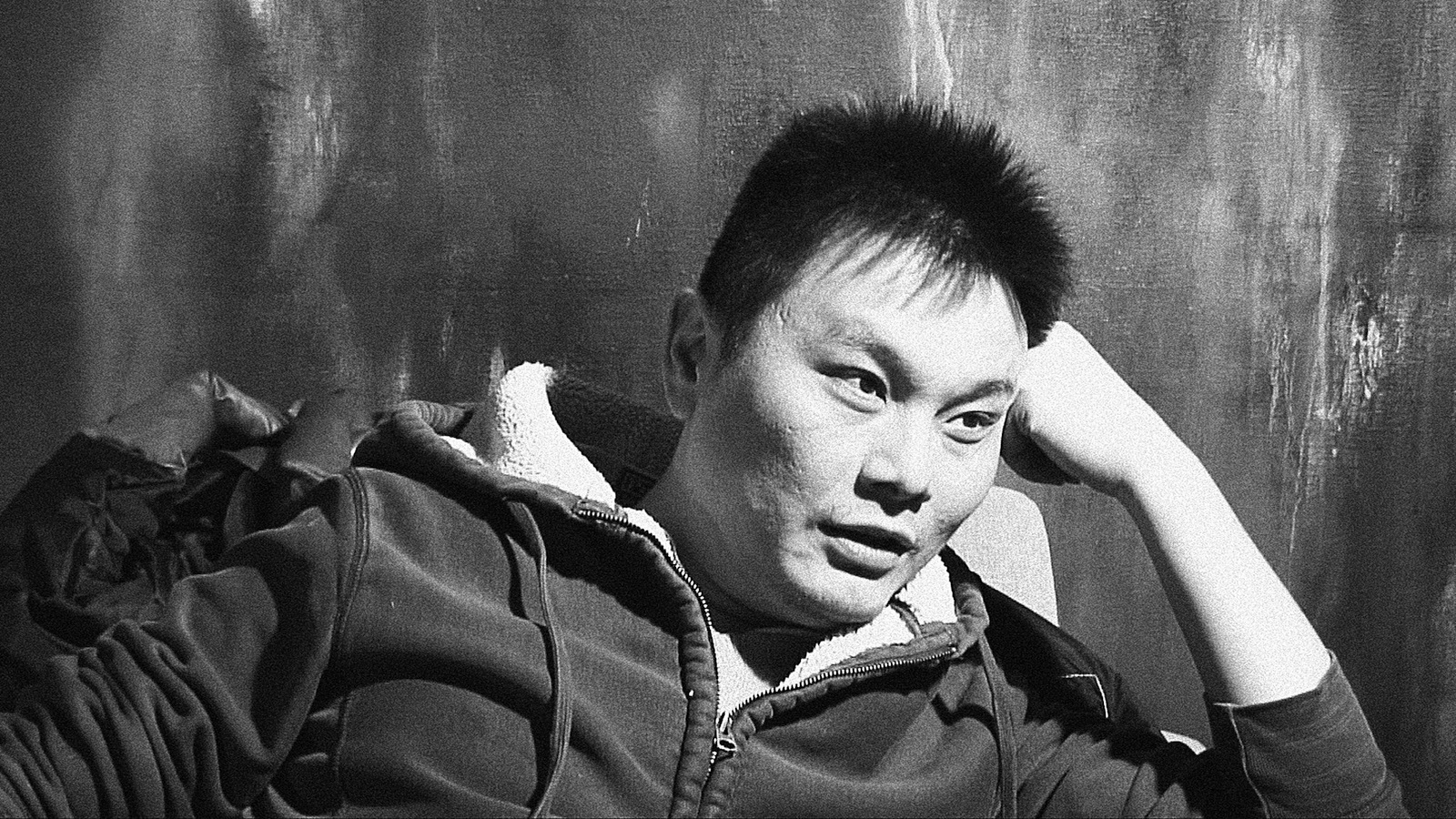
十四年後,唯一能肯定的真相,是樊其輝在片外的死。片內,因矛盾而更顯魔幻迷人的獨白,以及與之呼應的留白,例如衣服和死亡,使此片沒能肩負典型的紀錄與紀念功能,卻或者成全了樊其輝無法在人間完全達成的穿脫自由。

註1:此處所指涉的「變裝理論」為朱迪斯.巴特勒(Judith Butler)的性別操演(gender performativity)理論。

註2:網上資料顯示,樊其輝於二〇一〇年十月十一日亡。

註3:台北電影節,《椒麻堂會》映後講座側記,2022年7月7日。

In this issue

1 film

Madame
Not available in your region

Madame

Popular

University of Laughs Post-Screening Talk with Koki Mitani | “Without Constraints, I Can’t Write a Story”: How a Comedy Writer Builds a Screenplay
Reading

University of Laughs Post-Screening Talk with Koki Mitani | “Without Constraints, I Can’t Write a Story”: How a Comedy Writer Builds a Screenplay

Giloo紀實影音/2026.11.27

In University of Laughs, Tsubaki is a playwright writing comedy in wartime Asakusa. Every day, he brings his revised script to the censor and returns with a new set of requested changes. After so many revisions, even the censor, who initially understands nothing about humor, begins suggesting lines for him. Koki Mitani said that if he had lived in that era, he would probably have done the same as Tsubaki: making every requested change while finding ways to make the play even funnier. When he used to write television series, he faced similar problems every week.

The Guardians’ Unease: How The Seoul Guardians Evokes Gwangju
Reading

The Guardians’ Unease: How The Seoul Guardians Evokes Gwangju

Giloo紀實影音/2026.11.27

At 10:28 p.m. on December 3, 2024, South Korean President Yoon Suk Yeol declared emergency martial law. Shortly after 1 a.m. the next day, all 190 lawmakers present in the National Assembly voted to pass a resolution demanding its termination. The entire episode lasted approximately six hours. The Seoul Guardians (2026), co-directed by MBC journalists KIM Jong-woo, KIM Shin-wan, and CHO Chul-young, compresses those six hours into just over seventy minutes, reconstructing the chaos and confrontation inside and outside the National Assembly. The Seoul Guardians not only records the course of a political crisis, but also bears witness to the anxiety shared by everyone present during those hours——no one knew what the military would do next.

The Scar-faced Cat: Way of Asura Premieres as the Golden Horse Closing Film | Fukushi Sota, Han Ning, Huang Kuan-chih, and Tsukahara Daisuke on Taiwan-Japan Collaboration and the Path of Asura
Reading

The Scar-faced Cat: Way of Asura Premieres as the Golden Horse Closing Film | Fukushi Sota, Han Ning, Huang Kuan-chih, and Tsukahara Daisuke on Taiwan-Japan Collaboration and the Path of Asura

Giloo紀實影音/2026.11.27

Before the 2026 Golden Horse Film Festival drew to a close, its closing film, The Scar-faced Cat: Way of Asura, officially met Taiwanese audiences. Director Wang I-Fan appeared at the closing event and post-screening Q&A with the film’s cast, including Japanese star Fukushi Sota, Han Ning, Huang Kuan-chih, and Tsukahara Daisuke.